When you're in the market for a Utility Vehicle, figuring out which manufacturer to go with can feel a bit overwhelming. Industry expert John Smith puts it simply: "Great Utility Vehicles strike a balance between durability and innovation." With so many brands out there all trying to catch your eye, it's really worth taking the time to check out what each one offers.
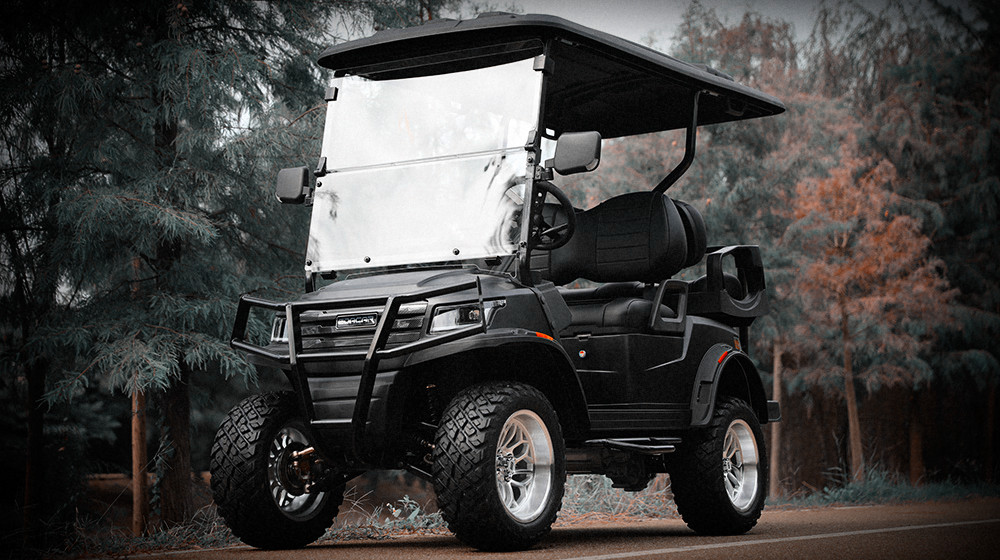
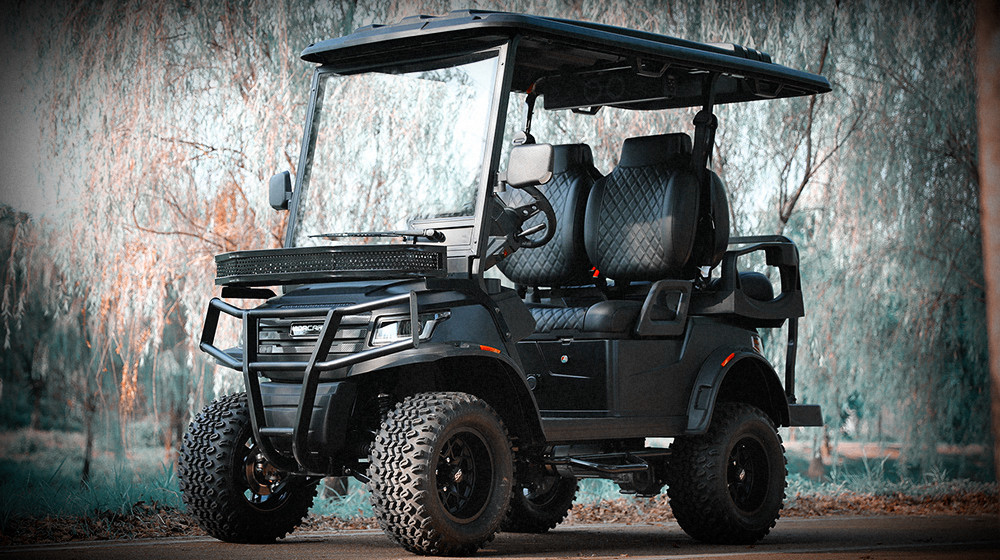
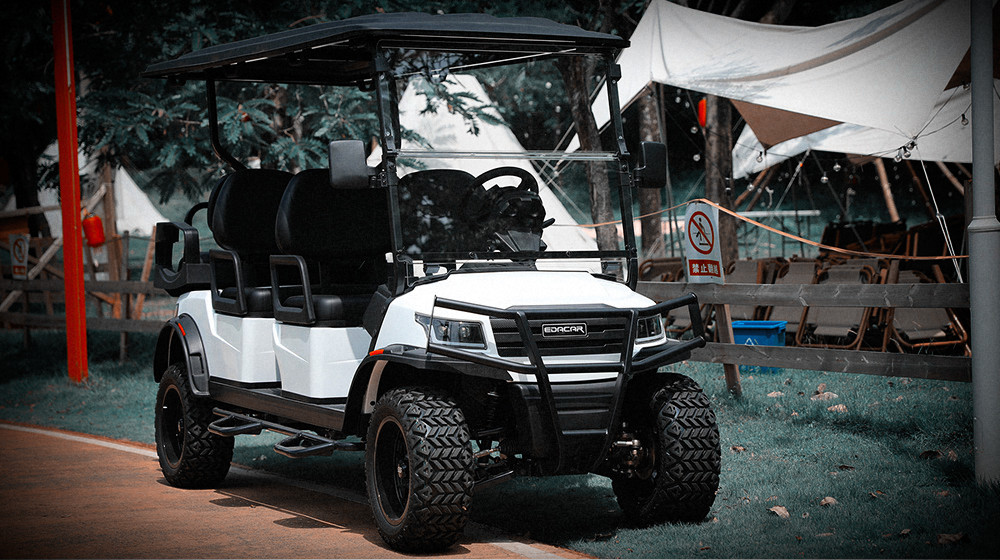
Take Edacar Utility Vehicle, for example. It’s well-known for its reliability — their vehicles are pretty versatile and work well in farming, construction sites, or even for some recreational fun. But, here’s the thing: many folks overlook how important it is to have customization options. Everyone’s needs are a little different, right? A one-size-fits-all approach might not cut it.
Getting a good sense of who the top manufacturers are isn’t just about reading the fancy specs they advertise. It’s a smart move to also dig into customer reviews and see how solid their after-sales support really is. Not every brand excels everywhere, and sometimes, you’ll find a few that just don’t meet expectations. Sure, hunting for the perfect Utility Vehicle can be tricky, but honestly, knowing what exactly you need makes a big difference in narrowing down your choices.

Understanding Custom Utility Vehicles: Key Features and Benefits
Custom utility vehicles are designed to meet specific needs. They offer versatility and can be modified for various purposes. Key features include
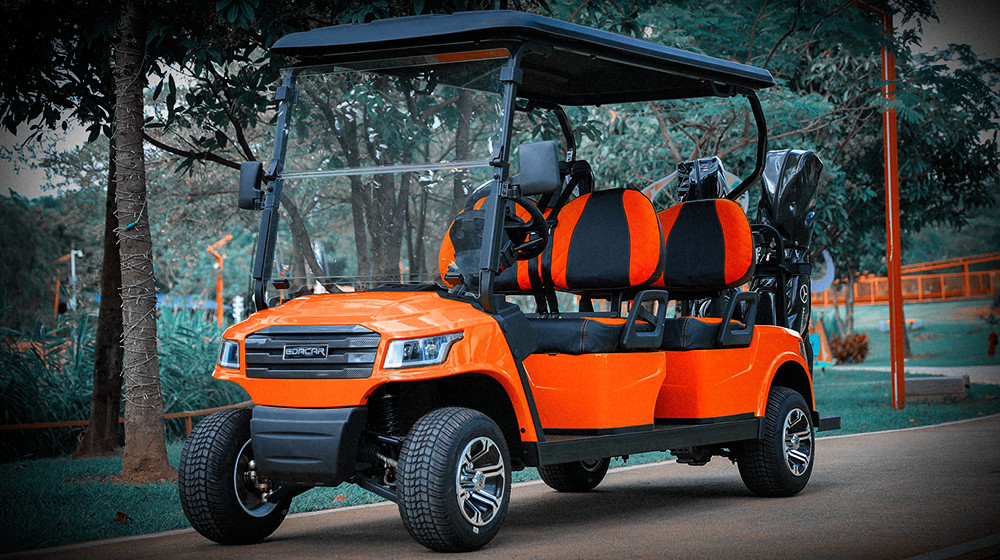
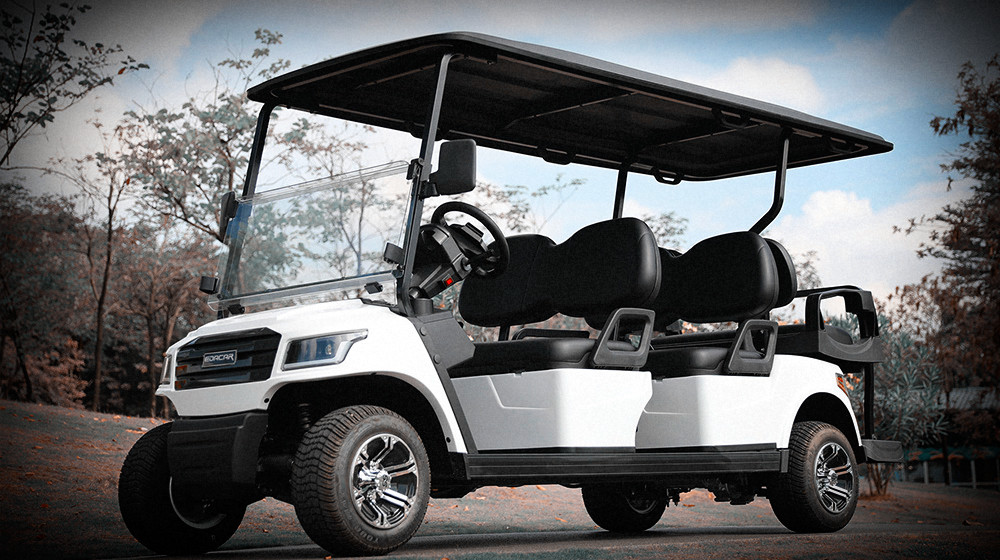
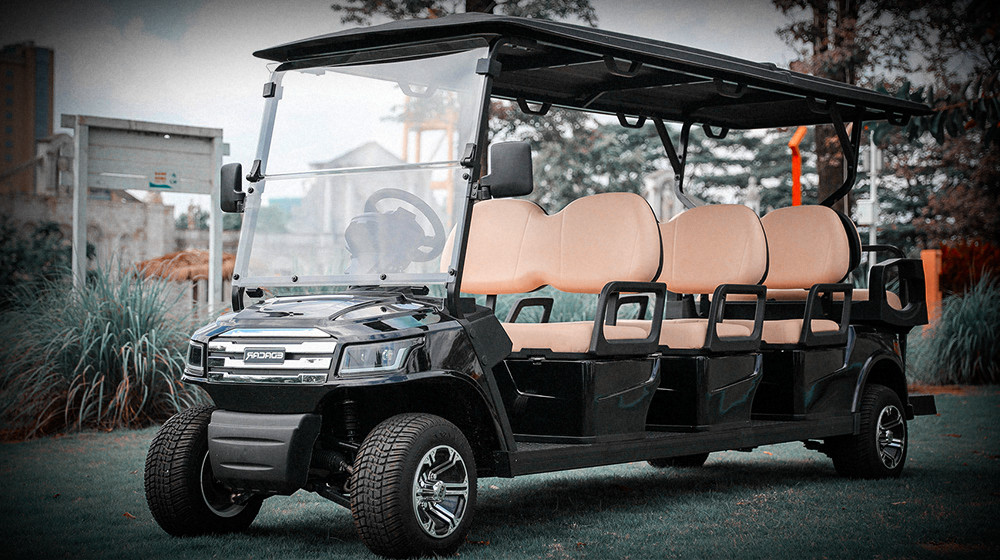
powerful engines and spacious interiors. A 6 Seater Utility Vehicle provides ample room for passengers and cargo. These vehicles often have smooth rides, making them suitable for different terrains.
When choosing a custom utility vehicle, consider your requirements. Look at factors such as fuel efficiency and comfort. Ensure the design complements your intended use. You might need a vehicle for work or recreation. Reflect on how often you’ll use it and for what tasks.
Tips for selecting your vehicle: check the sustainability of the materials. Can they withstand wear and tear? Think about the overall performance in real-world conditions. Additionally, consider the vehicle’s resale value. Will it hold up over time? Be mindful of choosing a utility vehicle that aligns with your lifestyle and needs.
Top Manufacturers of Custom Utility Vehicles: An Overview
When exploring custom utility vehicles, it's crucial to know which manufacturers stand out. These vehicles serve various applications, from agriculture to construction. The best manufacturers focus on durability, efficiency, and versatility.
Consider the materials used in manufacturing. High-quality materials ensure durability. Lightweight options may improve fuel efficiency but might compromise strength. Evaluate how the vehicle performs under different loads. Some designs might not meet your specific needs.
Tips: Look for customer reviews. They can highlight strengths and weaknesses you may not notice. Direct feedback from users often reveals genuine experiences. Check warranties and after-sales support. A strong warranty reflects confidence in their product.
Many custom utility vehicle builders offer modular designs. This allows for modifications based on individual needs. However, customization can increase costs. Be careful to balance your budget with functional requirements. Think about the vehicle's resale value. Some models depreciate faster than others.
Overview of Custom Utility Vehicle Manufacturers
Factors to Consider When Choosing a Custom Utility Vehicle Manufacturer
When choosing a custom utility vehicle manufacturer, several factors should come into play. First, consider the experience of the manufacturer. A company with a strong track record may offer better quality and service. Look for testimonials or case studies that showcase their work.
Tips: Always check references. Good feedback can save you time and money.
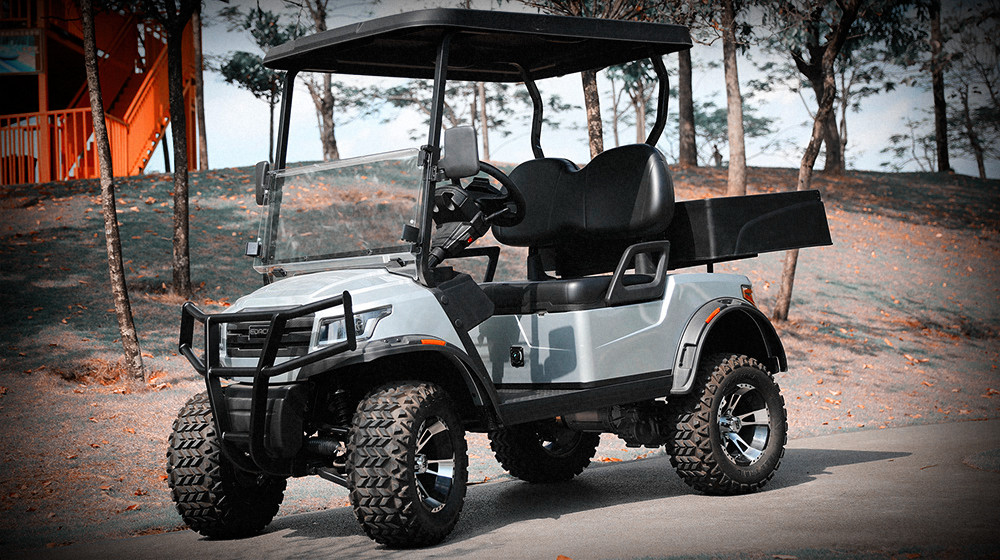
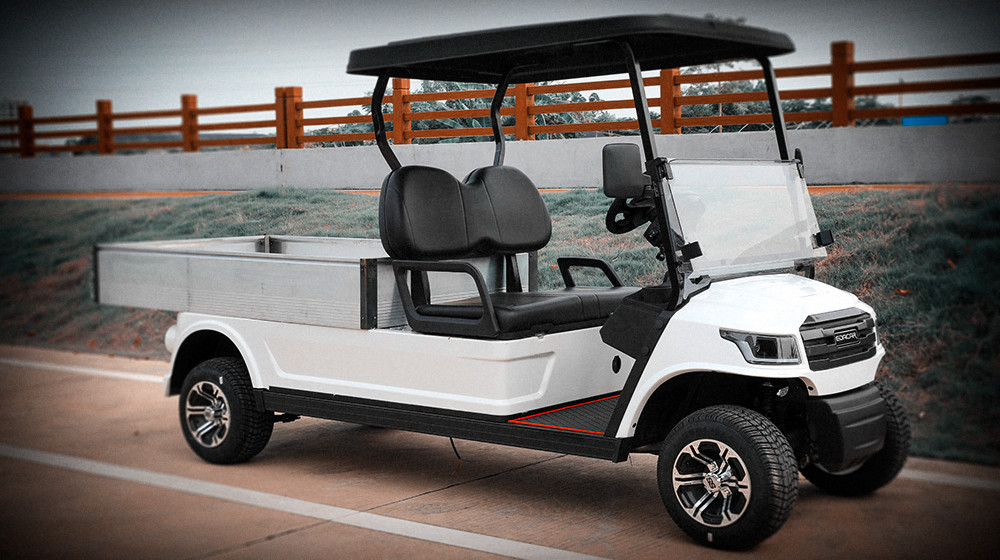
Another important factor is the customization options available. A flexible manufacturer can meet specific needs, such as creating a Flatbed Utility Vehicle tailored to your requirements. Think about the materials, design, and technology that suit your business.
Ask questions about the production process too. Transparency is key. A manufacturer that communicates openly can help build trust.
Tips: Don’t rush the decision. Take time to explore options. A poor choice can be costly.
Finally, consider the after-sales support. A good manufacturer should provide assistance even after the sale. This ensures that your flatbed utility vehicle remains in top condition. Keep these factors in mind to make an informed choice.
Comparative Analysis of Leading Custom Utility Vehicle Brands
When exploring the landscape of custom utility vehicles, several brands stand out. A comparative analysis reveals distinct strengths and weaknesses. For instance, recent industry reports highlight that lightweight materials can improve fuel efficiency by up to 15%. This is crucial for users focused on operational costs.
Battery Powered Utility Vehicles are gaining traction, with a projected market growth of 25% in the next five years.
Many manufacturers are adapting to this trend, enhancing their product lines. The introduction of smart technology in utility vehicles has also led to significant advancements. However, some brands still lag in integrating these features, which can lead customers to reconsider their options. It is worth noting that customer service ratings vary greatly across brands, impacting overall satisfaction.
Tips: When evaluating custom utility vehicles, prioritize reliability and after-sales support. Before making a decision, research user reviews and expert opinions. Additionally, consider the vehicle's maintenance costs over its lifespan. Buying a battery powered utility vehicle may seem tempting, but ensure you understand the total cost of ownership. Explore different configurations to see what best suits your needs.
Customer Insights: Satisfaction Ratings for Utility Vehicle Manufacturers
Customer satisfaction ratings for utility vehicle manufacturers play a crucial role in identifying the best options in the market. Recent industry surveys indicate that 72% of customers prioritize comfort and reliability in their utility vehicles. Among utility vehicle types, the
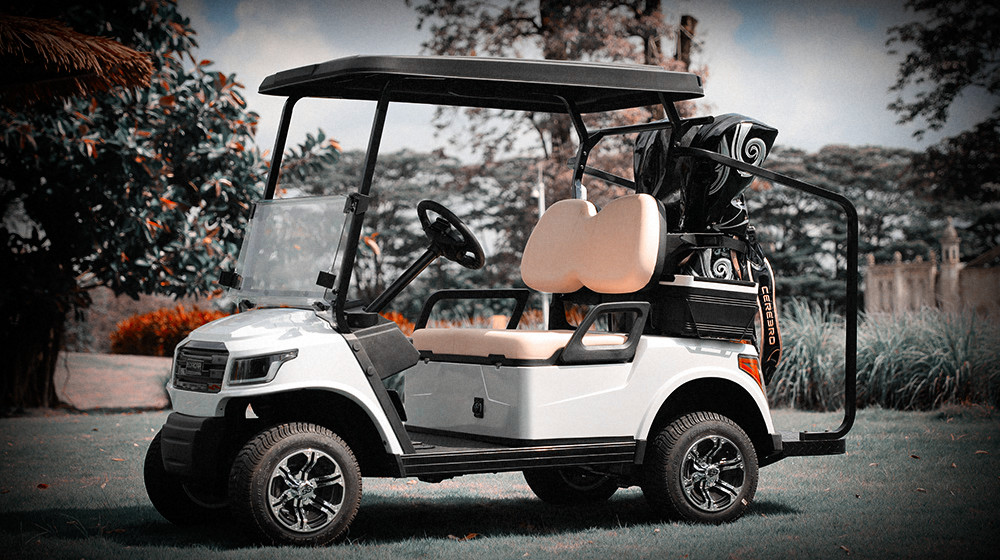
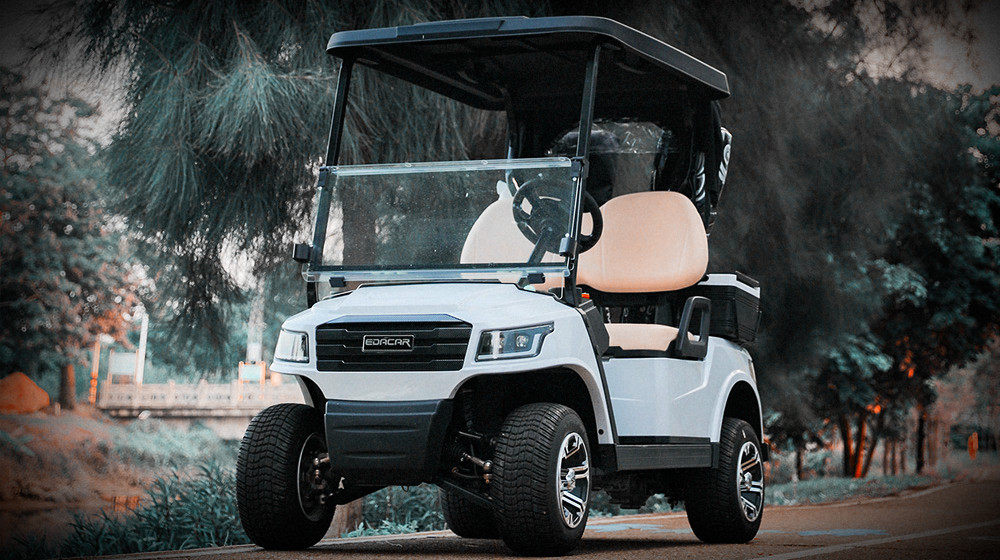
Golf Cart Utility Vehicle
stands out for its versatility. It's popular in both residential and commercial applications.
Feedback from users reveals interesting insights. Many appreciate the ease of maintenance that lower-end models offer, but they often compromise on durability. A report from the Utility Vehicle Association highlighted that 64% of users would choose a more robust vehicle if cost were not an issue. This reflects a desire for stronger build quality over initial savings.
However, satisfaction ratings are not uniform across all manufacturers. Some respondents indicated dissatisfaction with customer service post-purchase. This suggests that manufacturers need to focus more on customer support. It’s not enough to have a good product; the overall experience matters greatly in retaining a loyal customer base. The shift towards electric Golf Cart Utility Vehicles also indicates an evolving market, yet many consumers remain uncertain about the long-term viability of electric options.
Innovations in Custom Utility Vehicle Design and Technology
The landscape of custom utility vehicles is evolving rapidly. New technologies are shaping design in ways we never imagined. Lightweight materials enhance efficiency without compromising strength. Electrification is more than a trend; it’s becoming a standard. This innovation reduces fuel costs and lowers emissions.
Some manufacturers experiment with modular designs. These allow for easy customization, adapting to diverse needs. Users can modify these vehicles for work, leisure, or emergencies. However, the complexity of these systems can be overwhelming. Owners often struggle with compatibility issues. It’s a challenge that requires further consideration.
Smart technology integration is another area of growth. Features like GPS tracking and telematics are becoming commonplace. These advancements offer real-time data but can also distract users. Finding the right balance between technology and usability is crucial. The future looks promising, but reflection on current designs is necessary.
Future Trends in the Custom Utility Vehicle Manufacturing Industry
The custom utility vehicle manufacturing industry is evolving rapidly. Market research indicates a projected growth rate of around 5.3% annually from 2023 to 2030. This growth reflects a rising demand for versatile vehicles tailored for various sectors, including agriculture and construction. However, manufacturers face significant challenges, including fluctuating material costs and supply chain disruptions.
Innovative technologies are becoming essential. Electric and hybrid models gain traction, driven by sustainability goals. Many manufacturers are investing in electric powertrains as a response to environmental regulations. Reports suggest a 7% increase in electric vehicle adoption within this segment. Flexibility in design is also crucial. Customized solutions meet unique client needs, but this can strain production capacity and require advanced engineering.
Consumer preferences shift frequently. The demand for multifunctional vehicles is increasing, yet manufacturers must balance customization and efficiency. Lean manufacturing principles are being adopted, yet the risk of overproduction remains. As the market diversifies, staying ahead can be complex, requiring continuous adaptation and reflection. These emerging trends indicate a dynamic future, but the path is fraught with challenges.
What is the Best Custom Utility Vehicle Manufacturers to Consider? - Future Trends in the Custom Utility Vehicle Manufacturing Industry
| Manufacturer Type |
Specialization |
Production Capacity (Units/Year) |
Market Share (%) |
Sustainability Initiatives |
| Electric Vehicle Manufacturer |
Electric Utility Vehicles |
50,000 |
25 |
Recycling and Battery Reuse Programs |
| All-Terrain Vehicle Manufacturer |
Off-Road Utility Vehicles |
30,000 |
19 |
Carbon Neutral Operations |
| Agricultural Equipment Manufacturer |
Utility Vehicles for Farming |
70,000 |
30 |
Sustainable Production Techniques |
| Commercial Vehicle Manufacturer |
Utility Vehicles for Urban Use |
40,000 |
20 |
Low Emission Innovations |
| Luxury Utility Vehicle Manufacturer |
High-End Utility Vehicles |
15,000 |
5 |
Eco-Friendly Materials Usage |
FAQS
: Regular exercise improves physical health. It boosts mood and reduces stress. You may feel more energetic.
Setting small goals helps. Tracking progress can show improvement. Find a workout buddy for support.
Yes, a balanced diet provides essential nutrients. It supports overall health and energy levels. Junk food may feel tempting.
Missing a workout happens. Don't be too hard on yourself. Plan a longer session later in the week.
Establish a bedtime routine. Limit screen time before sleep. Relaxation techniques can also help.
Not everyone needs supplements. A whole food diet may provide enough nutrients. Consulting a professional is wise.
Conclusion
The article explores the landscape of custom utility vehicles, highlighting their key features and numerous benefits, which make them an essential choice for various applications. It provides a comprehensive overview of top manufacturers, examining criteria that potential buyers should consider when selecting a manufacturer.
Additionally, the article offers a comparative analysis of leading brands in the industry, underscoring customer satisfaction ratings and insights. Innovations in design and technology are also discussed, showcasing how advancements are shaping the future of custom utility vehicles. Finally, the piece considers emerging trends that are likely to influence the utility vehicle manufacturing industry, ensuring that readers are informed about the evolving market dynamics.

 Vehicles