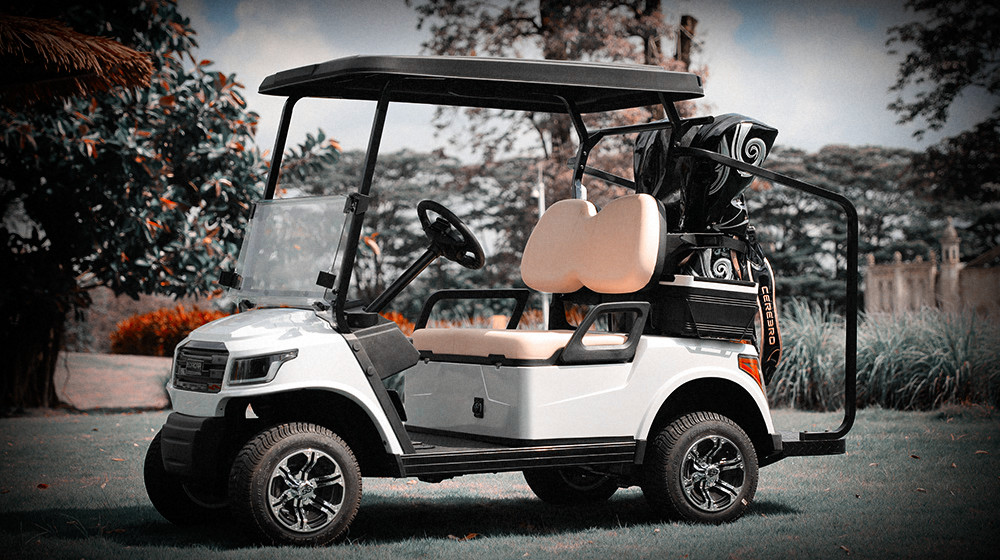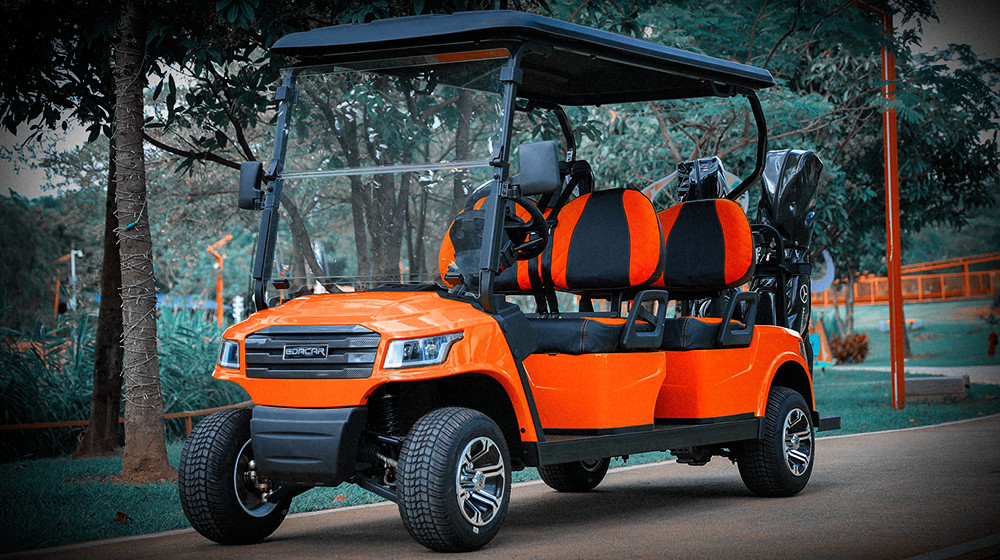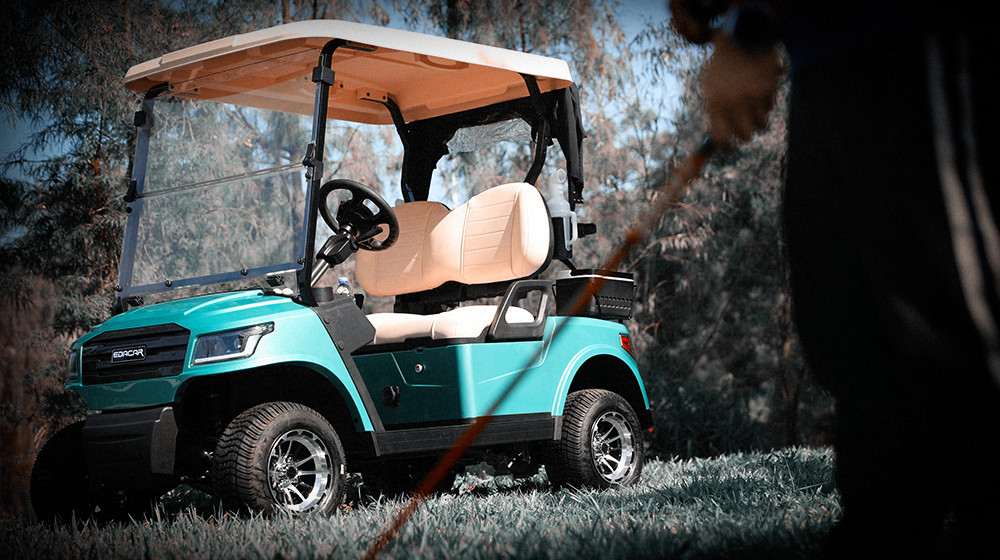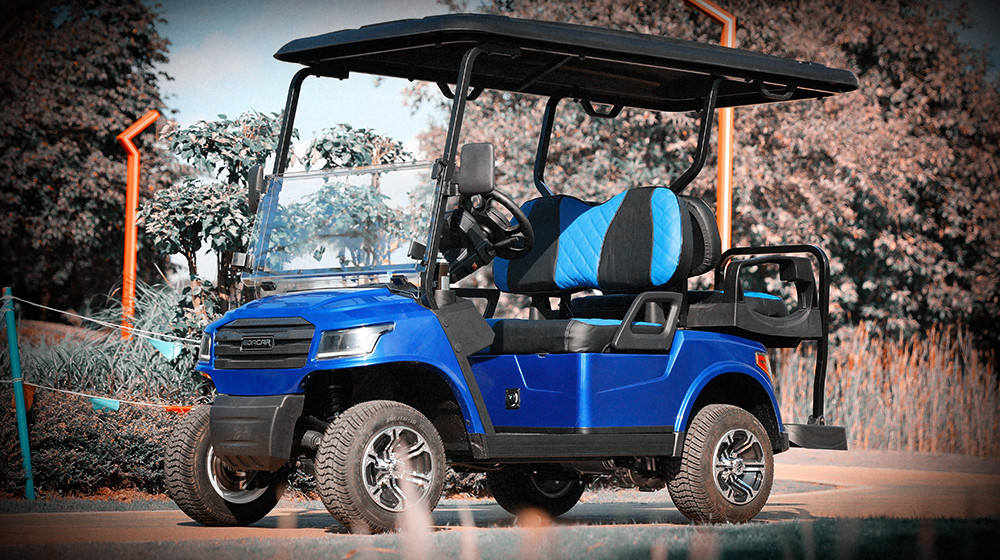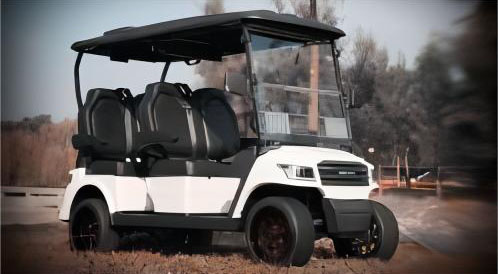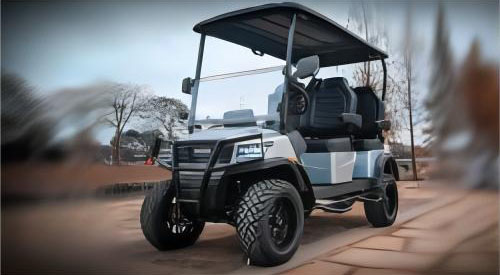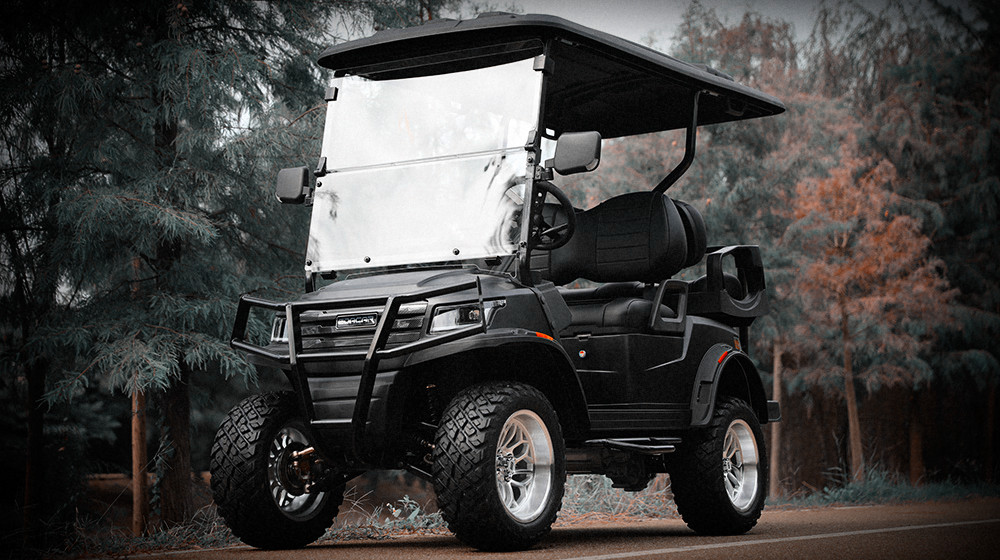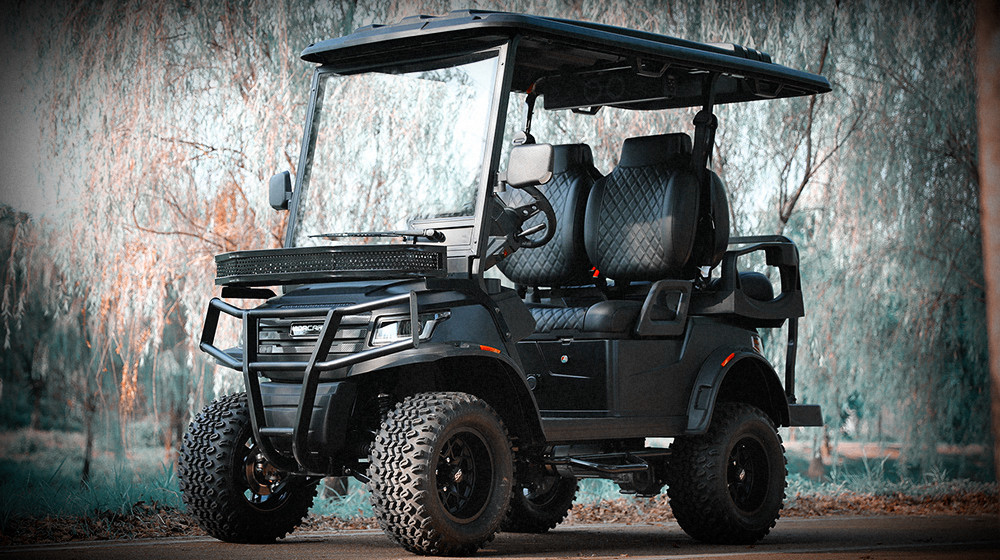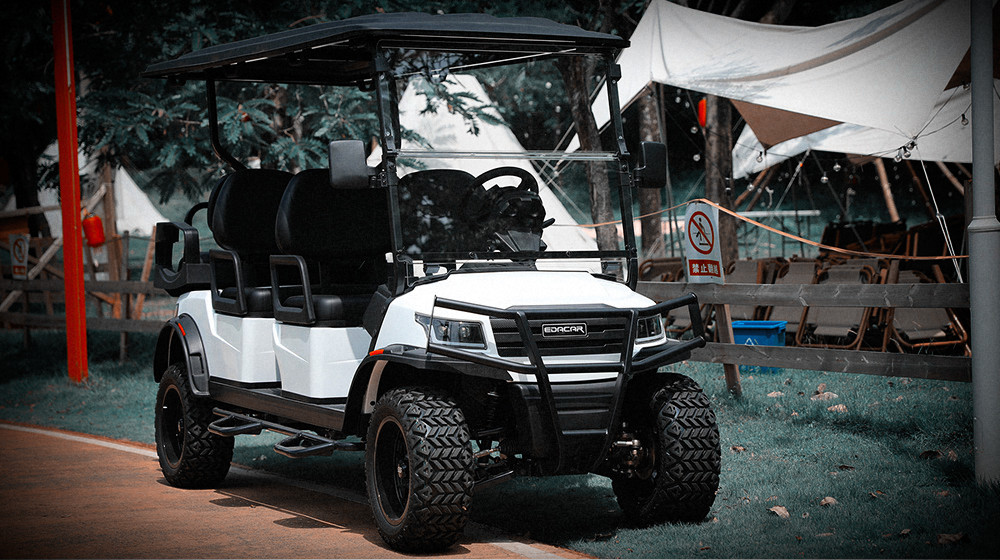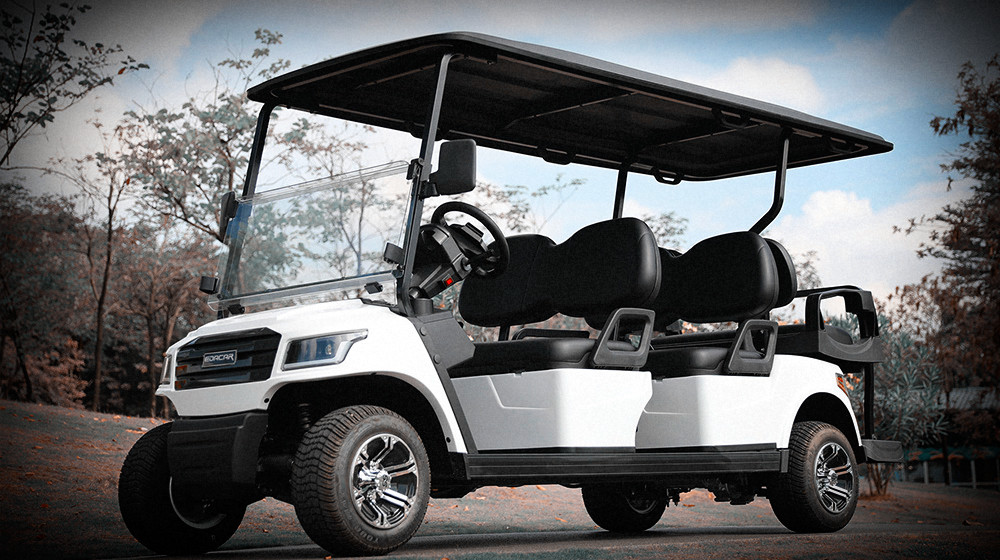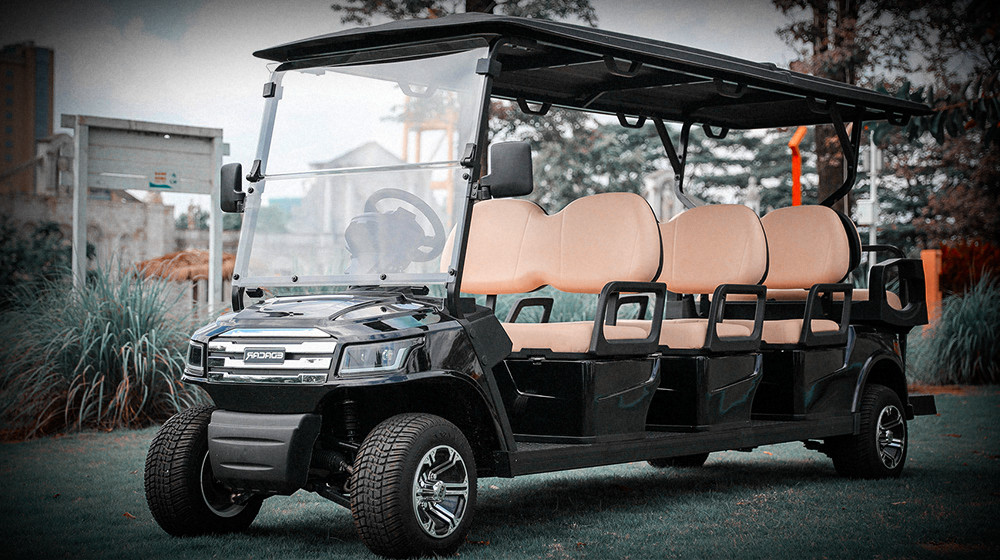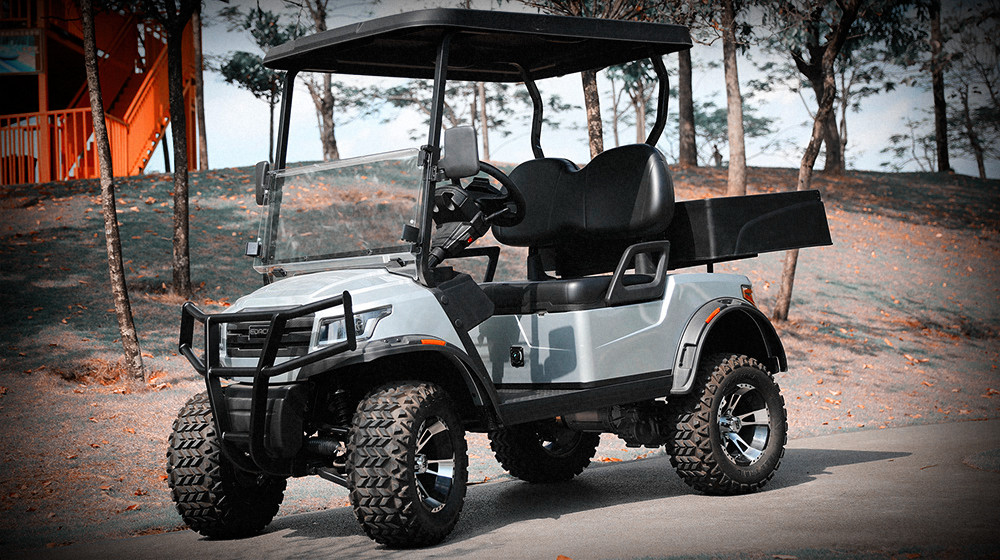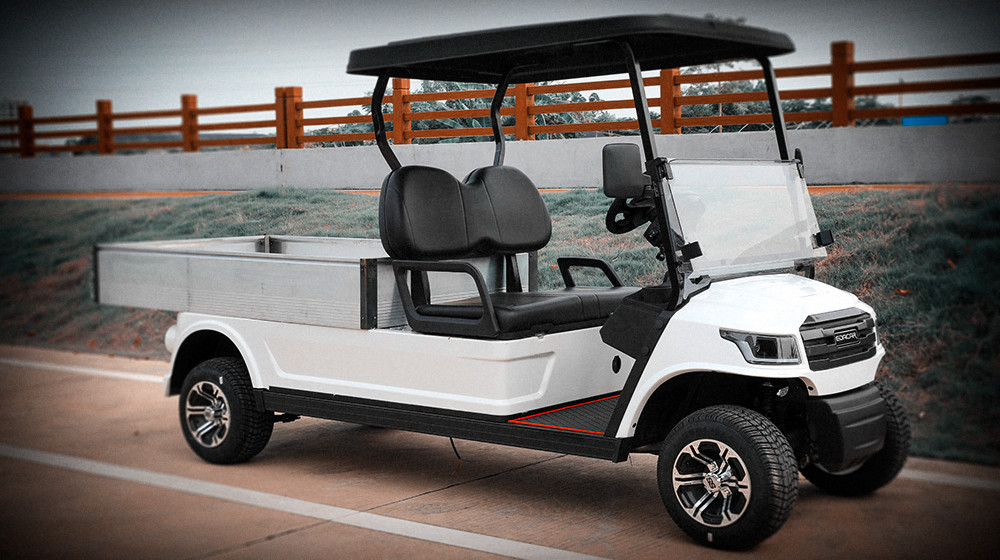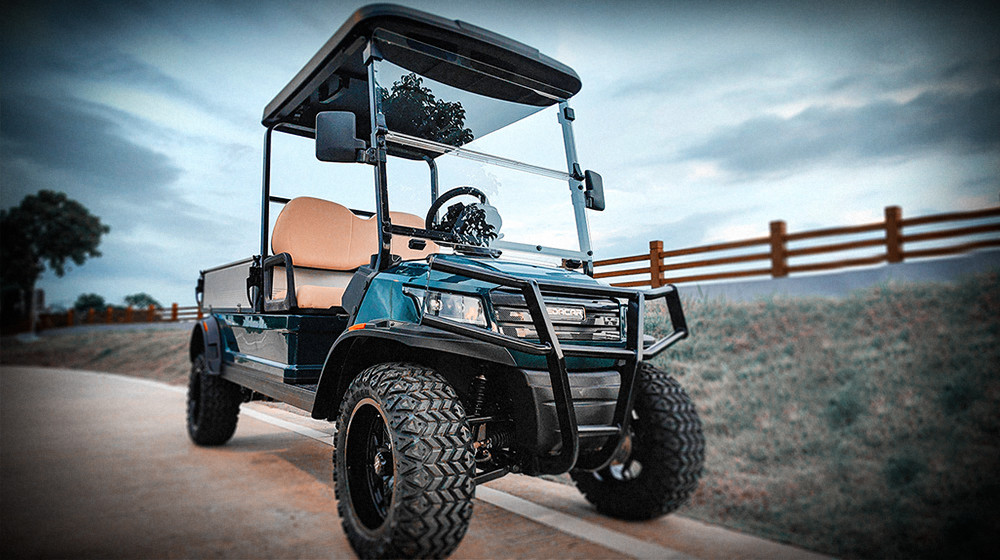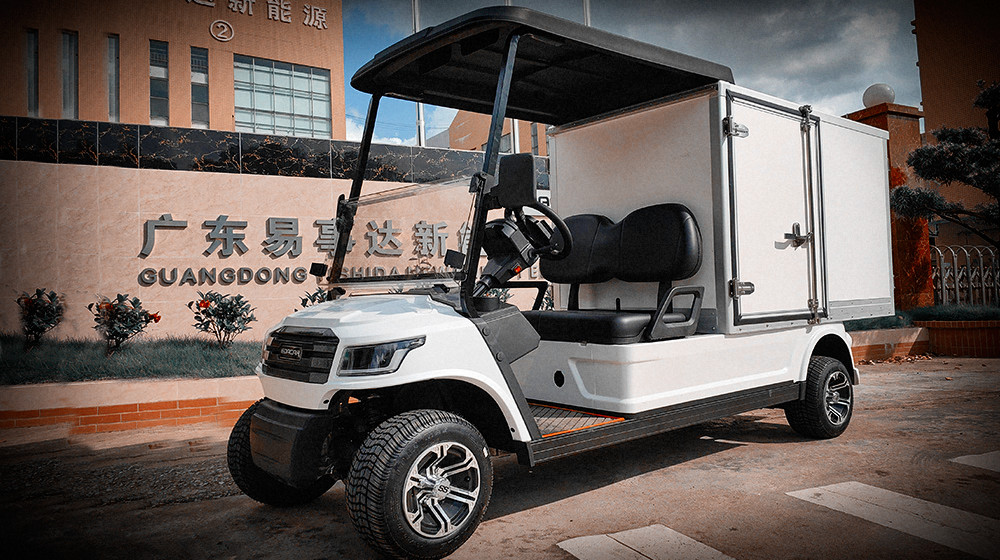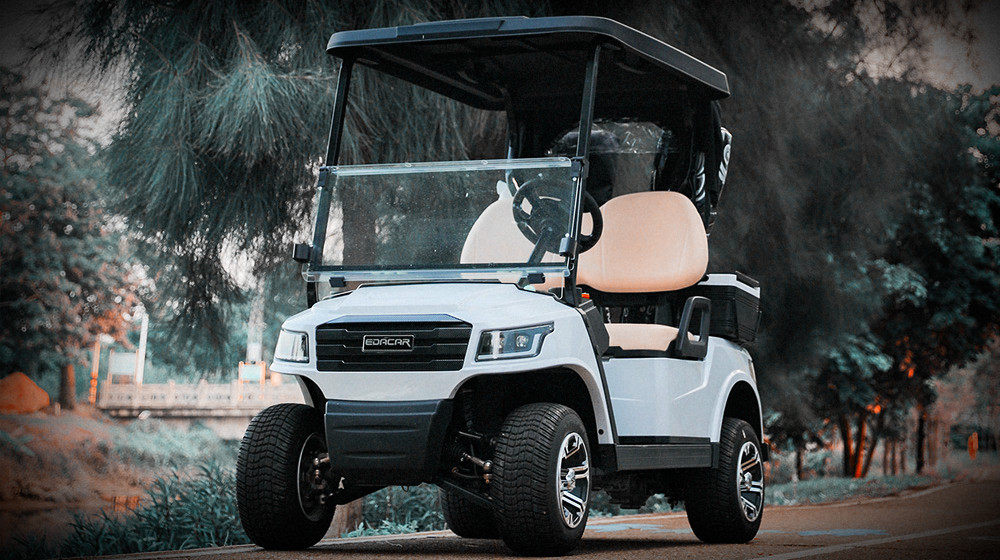
F2 MODEL
· 4KW AC MOTOR WITH EM BRAKE
· FOUR WHEEL DISC BRAKE
· LITHIUM POWERED

Vehicles
Experience the greens in a whole new way
Drive like a pro with our carts, Leave the walking to others.
When the good road ends, the great adventure begins.
We get you where you need to go, without a worry
Delivery you can count on. One Charge Can Go A Long Way.
Golf Cart Customization: Golf carts have evolved into versatile vehicles. These vehicles now cater to daily activities beyond just golfing. Through the art of customization, one can truly express individuality. More than aesthetics, customization ensures the achievement of optimized performance. For those seeking enhancements, options abound: from paint colors to lift kits, and even lithium battery upgrades. We provide an extensive range of components and add-ons. With their offerings, designing a personalized art becomes an exciting endeavor. As you navigate this world of customization, rest assured, we're here to guide you every step of the way.
Dealers
Support
Press
Contact
When you're getting into outdoor adventures, picking the right hunting buggy truly matters. These versatile vehicles can really make your hunting trips more fun and efficient, but let's be honest—not all buggies are created equal. Some might fall short when it comes to durability or features needed for rough terrains.
Lately, electric hunting buggies are gaining popularity, mainly because they're super quiet. That stealthiness can really help you stay undetected out in the wild. Big names like Polaris and Bad Boy have models with pretty powerful electric motors. Still, you’ve got to think about what *you* actually need. A buggy that's great in one aspect might not do so well in another.
So, consider the terrain you'll be tackling, how much weight it needs to carry, and how long the battery lasts. The perfect hunting buggy should be able to handle all your gear without breaking a sweat. Think about what's most important during your hunt—whether that's comfort, performance, or a mix of both. At the end of the day, it’s really about finding that sweet spot between functionality and comfort. Take your time, and choose wisely—you’ll thank yourself later.
Choosing the right Hunting Buggy can greatly enhance your outdoor adventures. Start by considering the terrain you’ll be navigating. A lightweight buggy may be ideal for flat, open areas. However, rough, rugged landscapes require a sturdier, more powerful option. Think about how many passengers you need, too. A one-seater may not suffice for hunting trips with friends.
Next, pay attention to the storage capacity. You’ll need ample space for gear, firearms, and any game you might collect. If the buggy lacks enough storage, your trip could become disorganized. Another important aspect is fuel efficiency. Some models may boast power but consume more fuel. It’s worth reflecting on your budget for both the initial purchase and ongoing fuel costs.
Lastly, don’t overlook the comfort and safety features. A buggy with a cushioned seat can make long days much easier. Safety should also be a priority; check for features like roll cages and reliable brake systems. Sometimes, less flashy models offer better reliability. Striking the right balance between features and performance can be challenging. Consider what aspects matter most to you.
This chart compares key features of hunting buggies based on a rating scale from 1 to 10. It highlights the importance of various aspects such as terrain capability, load capacity, fuel efficiency, price, and comfort for users when selecting the best hunting buggy for their outdoor adventures.
When choosing a hunting buggy, consider the type that fits your needs. There are several options available. Some buggies are designed for rough terrains, while others excel on smoother paths. Think about where you will hunt. Are you navigating dense woods or open plains? Each environment demands different features.
Lightweight models can be advantageous for easy maneuverability. They allow you to zip through narrow trails. However, they may not hold up well in tougher conditions. On the other hand, sturdier models offer better reliability. They provide comfort and support for longer trips. But, do they fit easily in your vehicle? Space can be a concern.
Electric buggies are gaining popularity for their quiet operation. They keep animals from detecting you easily. Yet, battery life remains a tricky problem. Are you prepared for long days in the field? Plan accordingly. With each option, consider what truly matters for your hunting experience. Balancing price, features, and performance can be complicated. Reflect on your own preferences and requirements before making a decision.
When choosing a hunting buggy, several key features are essential. Mobility is crucial. Look for a buggy that can navigate rough terrain easily. Consider the size of the tires. Larger tires can provide better traction and stability. A strong frame is also important. It should withstand the weight of gear and passengers without bending or breaking.
Storage solutions are another factor to ponder. Ample storage space allows for easy transport of equipment. Look for compartments and racks that hold everything securely. Comfort is vital too. Seats should be padded and ergonomic, especially for long trips. The ride should be smooth, minimizing bumps.
Finally, think about safety features. A good buggy should have seat belts and sturdy handrails. Test the brakes to ensure they work properly. There may be times when not every feature seems perfect. Reflect on your needs. The ideal buggy balances everything, but compromises may be necessary.
When choosing between an electric and a gas-powered hunting buggy, several factors come into play. The 4x4 Electric Hunting Buggy offers a quiet ride, which can be crucial for not startling wildlife. It operates silently, allowing hunters to sneak up on their targets. Battery life can be a concern, especially on long trips. Regular recharging can be a hassle.
On the other hand, gas-powered buggies provide more power and speed. They can cover rough terrain and longer distances without frequent refueling. However, these vehicles are noisy. The sound may scare off animals. Gas buggies need more maintenance and produce emissions, which can create a more significant environmental impact than electric options.
While both types have advantages, hunters must consider their specific needs. The choice often boils down to personal preference and the nature of the hunting trips. Do you prioritize stealth or power? Each option has unique benefits and challenges. Finding the right balance can enhance outdoor adventures and lead to better experiences in the wild.
When budgeting for a hunting buggy, cost and value are vital. The average price for a quality off-road vehicle stands between $6,000 and $12,000. Interestingly, a 2022 report from the North American Outdoor Recreation Association indicated that 68% of outdoor enthusiasts consider reliability and performance over initial costs. Therefore, investing in a 48 Volt Hunting Buggy might appear high at first, but the longevity could yield better value.
Consider ongoing expenses too. Maintenance costs of a hunting buggy can vary significantly. Routine checks and repairs can easily add up to $500 annually. Some users report unexpected breakdowns leading to much higher expenses. It's essential to factor these potential costs into your budget. A 48 Volt Hunting Buggy may require lower upkeep due to fewer mechanical issues, but owners still need to stay vigilant.
Moreover, resale value shouldn't be ignored. A well-maintained buggy can retain 50% of its value after three to five years. Many consumers overlook depreciation until it’s too late. Evaluating the market and choosing models with strong resale potential may help in the long run. Balancing initial costs against future savings is a critical aspect of smart budgeting for your outdoor adventures.
| Model | Type | Price ($) | Weight (lbs) | Payload Capacity (lbs) | Fuel Efficiency (mpg) | User Rating (out of 5) |
|---|---|---|---|---|---|---|
| HuntMaster 2000 | ATV | 5,500 | 800 | 1,200 | 25 | 4.5 |
| TrailRider EX | UTV | 8,200 | 1,200 | 1,600 | 22 | 4.7 |
| EcoHunter 150 | Electric | 6,000 | 600 | 800 | 30 | 4.2 |
| RuggedTrek 4X4 | 4x4 | 9,500 | 1,800 | 2,000 | 18 | 4.0 |
| WildTracker Pro | Hybrid | 7,800 | 1,500 | 1,500 | 24 | 4.6 |
Maintaining your hunting buggy is essential for successful outdoor adventures. Regular upkeep ensures reliability in the field. An overlooked detail can lead to bigger problems later. Inspecting tires regularly is a must. They should have adequate tread and proper air pressure. Replace any damaged tires promptly.
Keeping the engine clean is crucial too. Dust and debris can build up and affect performance. Regularly check the air filter and oil levels. Replace filters as needed. Consider these vital tips to prevent breakdowns. You'll appreciate being prepared.
Don't forget about the battery. A weak battery can ruin your hunting trip. Clean the terminals and check connections for corrosion. Charge your battery if it shows signs of weakness. Simple tasks can prevent hassles in the wild.
When choosing the right hunting buggy, it’s essential to consider various top brands and models available. Many hunters prefer rugged designs that offer durability and efficiency. Data shows that approximately 70% of outdoor enthusiasts prioritize durability when selecting a buggy. They want something that can handle rough terrain and still provide comfort.
Some popular features include all-terrain tires and spacious cargo areas. A reliable model should offer easy handling and good fuel efficiency, making it cost-effective for long trips. Some studies indicate that users value a weight capacity of at least 1,000 pounds for carrying gear. The Edacar Golf Cart Hunting Buggy exemplifies this balance of power and reliability.
User reviews often highlight issues like poor customer service or unexpected maintenance costs. This highlights the need for research before purchase. Collecting feedback from fellow hunters can help in avoiding potential pitfalls. Ultimately, choosing a hunting buggy is a personal journey, and understanding specific needs is crucial to making a well-informed decision.
: Consider the terrain you will hunt in. Different environments require different buggy features.
Yes, they allow easy maneuverability. However, they may struggle in tough conditions.
Battery life is crucial, especially for long days in the field. Be prepared for that.
Most quality off-road vehicles range from $6,000 to $12,000. Factor in long-term value too.
Maintenance can add up to $500 annually. Unexpected breakdowns can lead to higher expenses.
Regular tire checks, engine cleaning, and battery care are vital. Small tasks prevent bigger issues.
A well-maintained buggy can retain up to 50% of its value after three years. Don't overlook this.
Yes, many hunters prefer reliable performance over low initial costs. Think long-term benefits.
Overlooking regular inspections can lead to unexpected breakdowns. Stay proactive to avoid these problems.
Reflect on your preferences and requirements. Balancing price, features, and performance is critical.
When selecting the best hunting buggy for your outdoor adventures, there are several key factors to consider. Understanding the types of hunting buggies available can help you find the right fit for your needs, whether you prefer an electric or gas-powered model. Key features, such as payload capacity, terrain adaptability, and comfort, should be evaluated to ensure optimal performance in the field.
Budget considerations are crucial, as prices can vary significantly, impacting the overall value you get from your hunting buggy. Additionally, maintenance tips will help you keep your buggy in prime condition for your hunting trips. By exploring popular hunting buggy brands and models without naming specific products, you can make an informed decision that enhances your outdoor experiences.