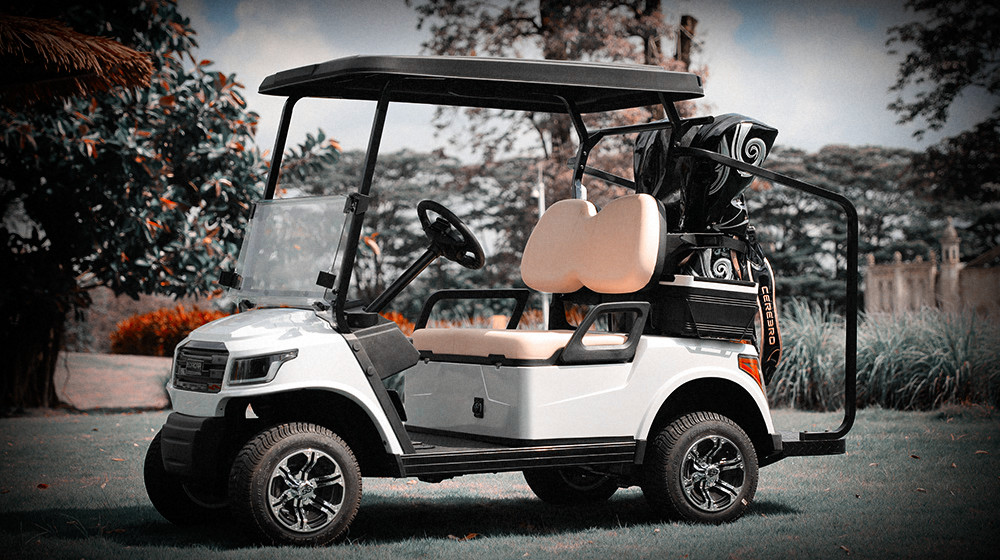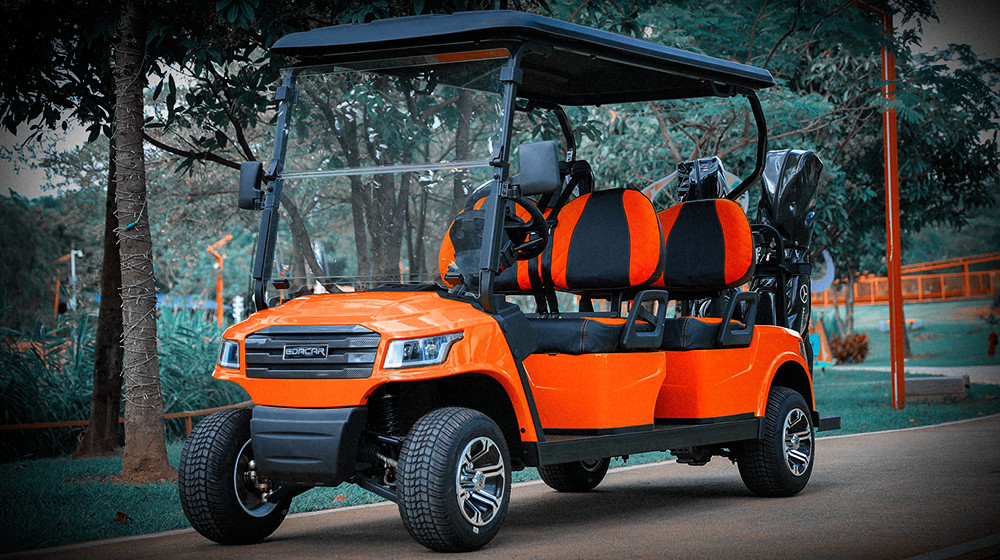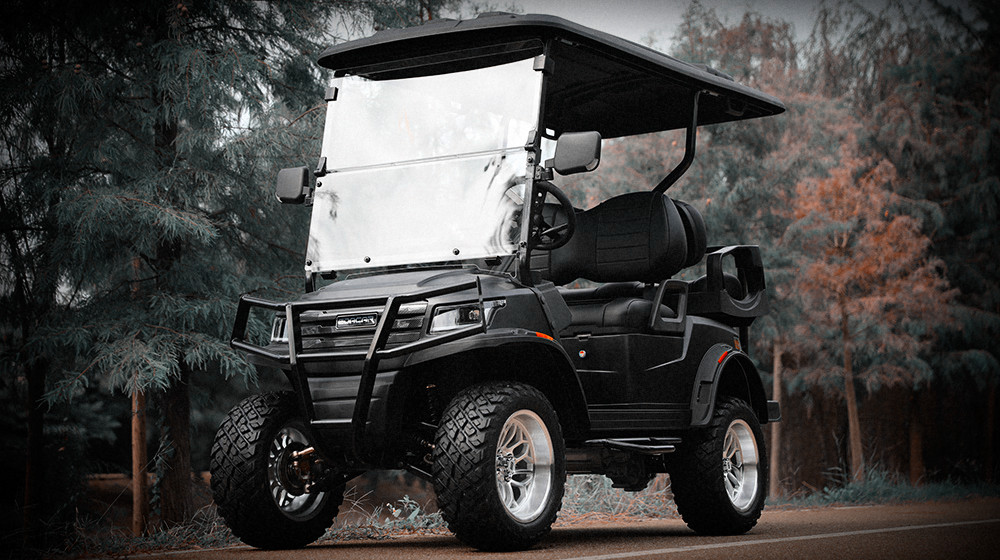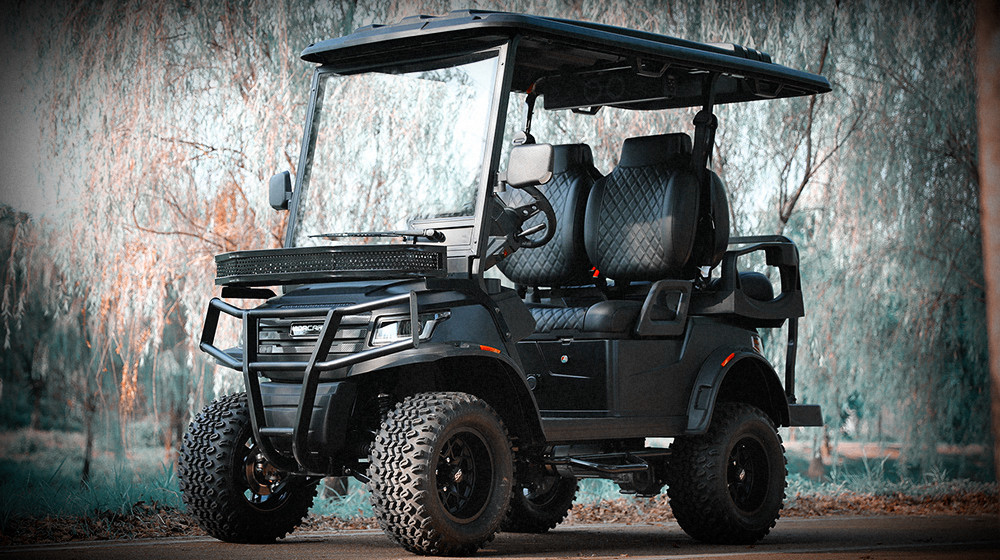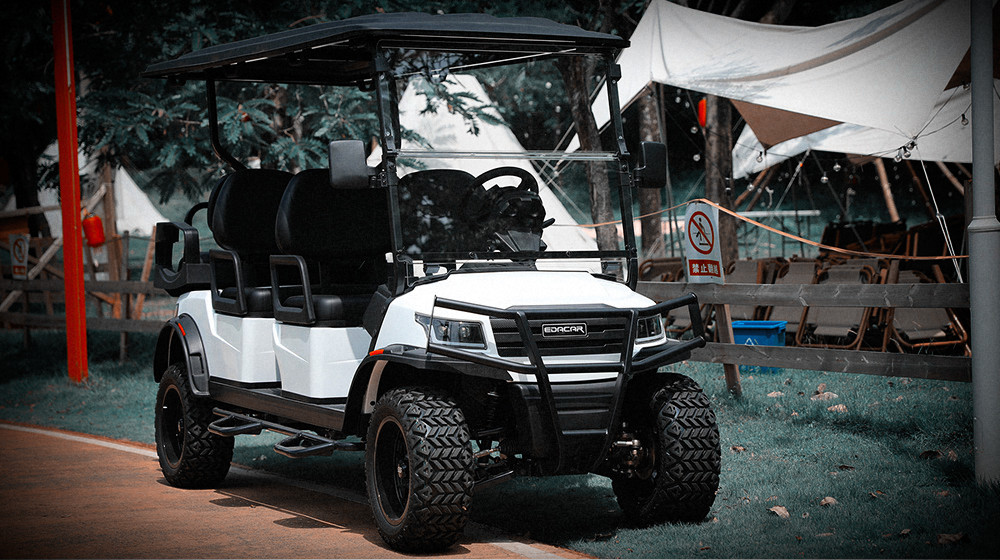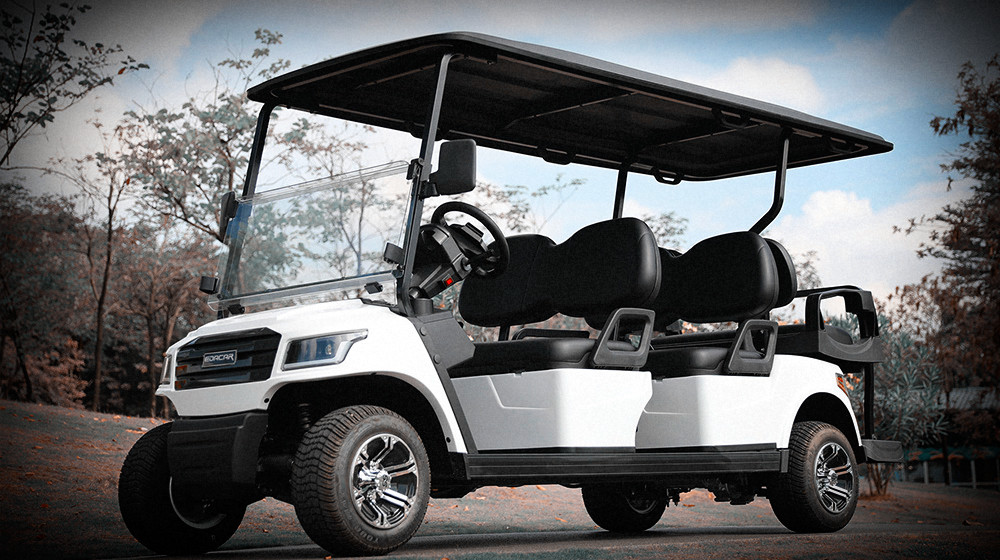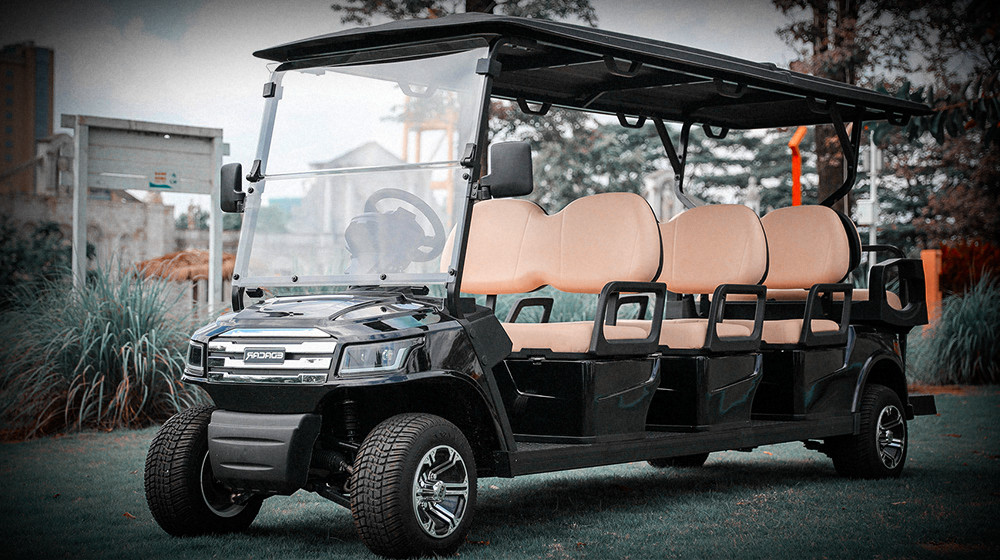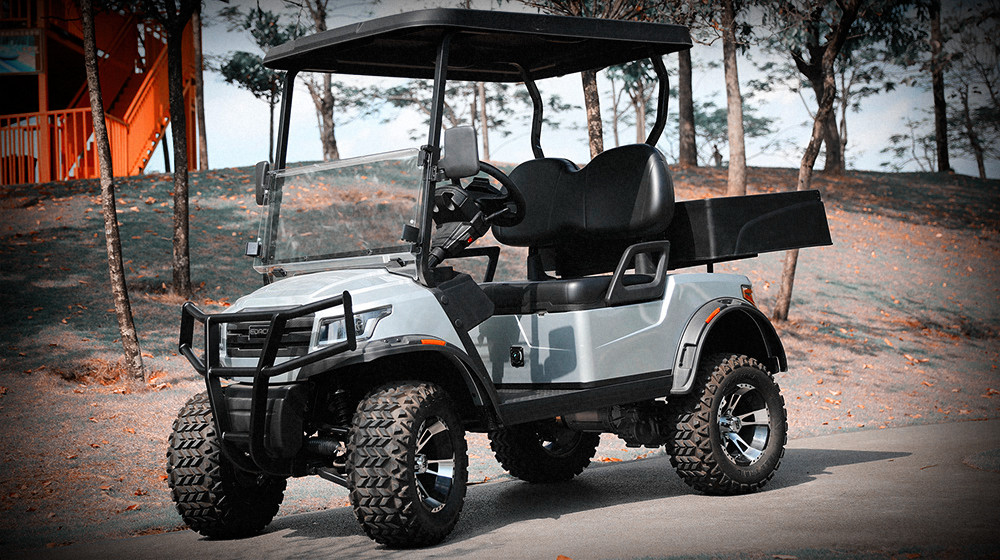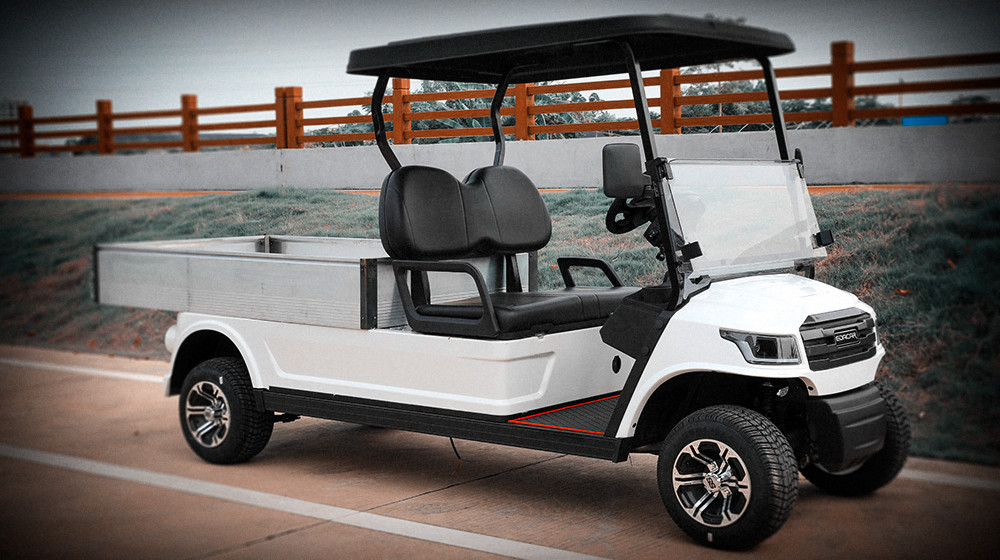
F2 MODEL
· 4KW AC MOTOR WITH EM BRAKE
· FOUR WHEEL DISC BRAKE
· LITHIUM POWERED

 Vehicles
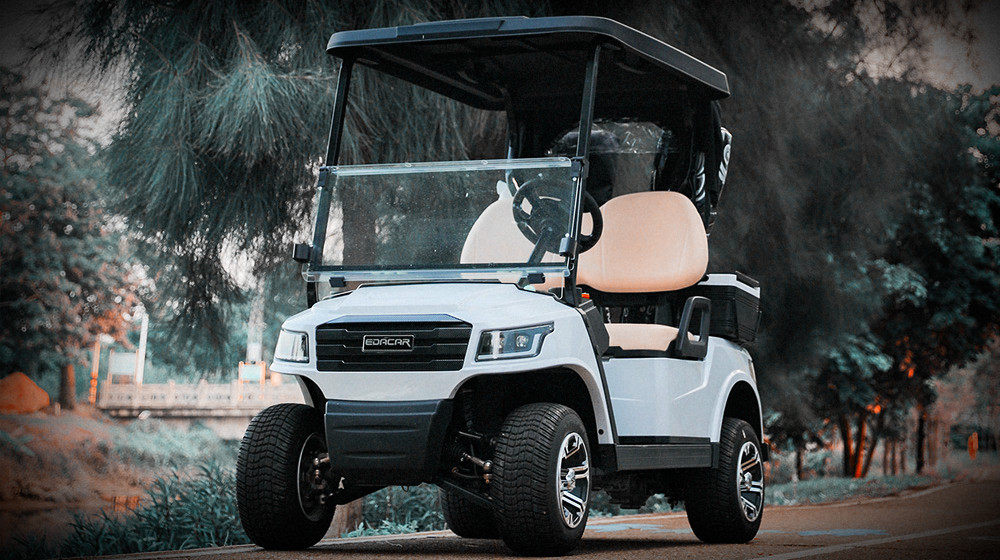
Experience the greens in a whole new way
Drive like a pro with our carts, Leave the walking to others.
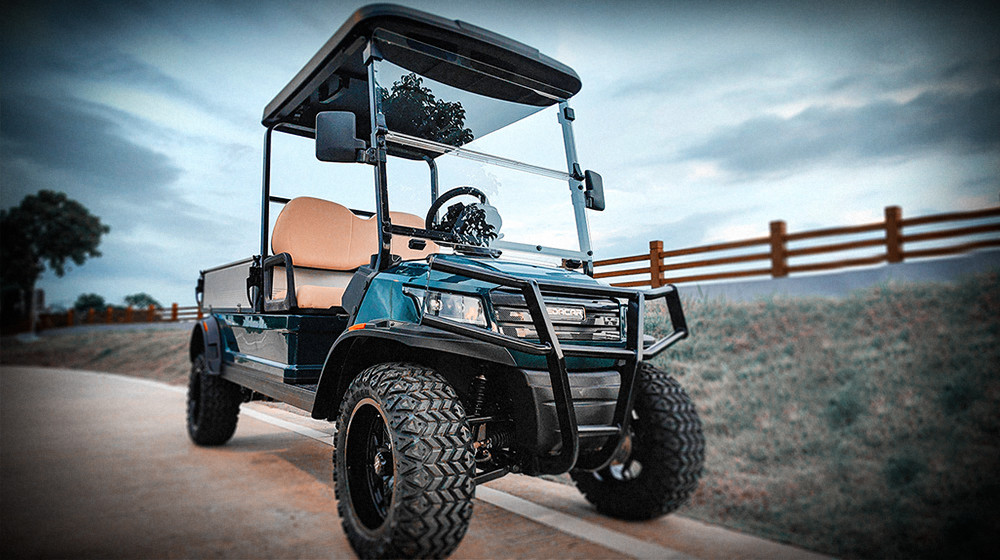
When the good road ends, the great adventure begins.
We get you where you need to go, without a worry
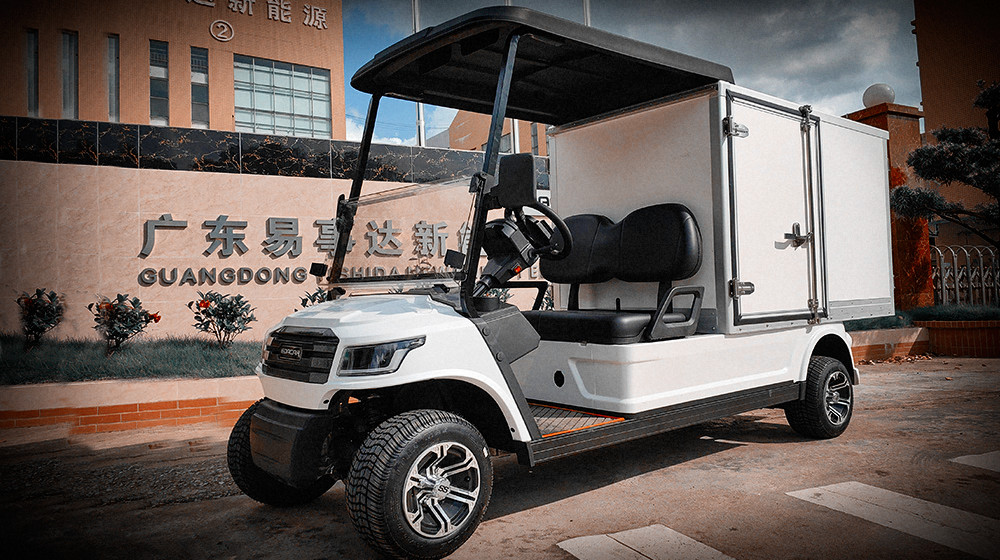
Delivery you can count on. One Charge Can Go A Long Way.
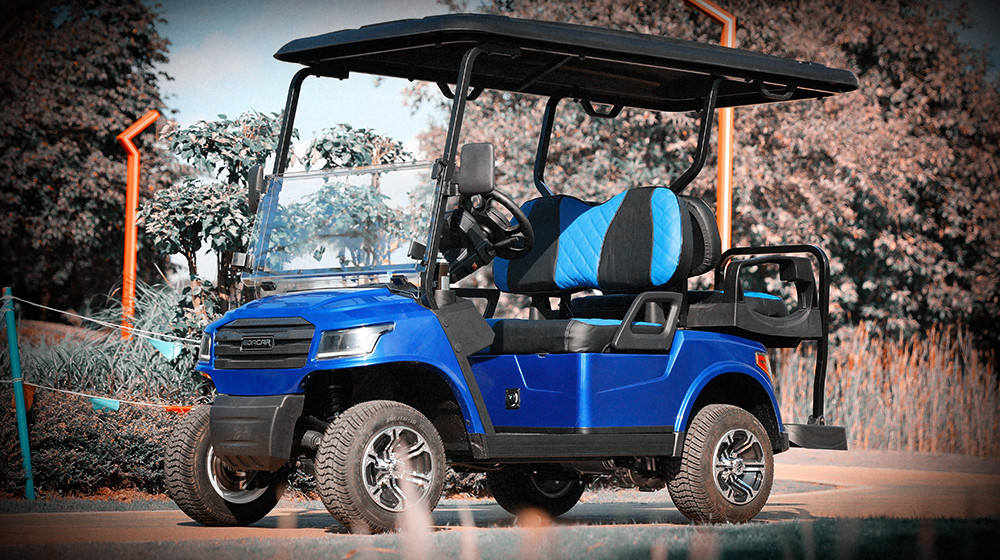
Golf Cart Customization: Golf carts have evolved into versatile vehicles. These vehicles now cater to daily activities beyond just golfing. Through the art of customization, one can truly express individuality. More than aesthetics, customization ensures the achievement of optimized performance. For those seeking enhancements, options abound: from paint colors to lift kits, and even lithium battery upgrades. We provide an extensive range of components and add-ons. With their offerings, designing a personalized art becomes an exciting endeavor. As you navigate this world of customization, rest assured, we're here to guide you every step of the way.
Dealers
Support
Press
Contact
In today's pretty competitive world of golf courses, picking the right Tigon Golf Carts is a big deal if you want to give players a better experience while also keeping things running smoothly behind the scenes. Lately, industry insiders are talking a lot about how electric golf carts—especially those packed with the latest lithium battery tech—can really boost performance, like going farther on a single charge and charging up faster. That means you'll save money in the long run, no question. EDACAR EV Co., Ltd., well-known across the country for pushing the boundaries in lithium-powered vehicles, makes some top-notch golf carts that can handle all kinds of course layouts and user needs. Thanks to their advanced assembly lines and robotic tech, they produce tough, reliable Tigon Golf Carts that can tackle different terrains and meet various demands. If course managers take a close look at performance data, they'll be better equipped to pick the right carts—ones that not only perform like a champ but also help keep the course greener and more sustainable in the long run.

When you're trying to pick out the perfect Tigon golf cart for your course, it helps to get a good grasp of the different types available and what they’re good at. Tigon has a handful of models, each tailored to tackle different terrains and suit various golfer preferences. According to a recent report from the National Golf Foundation, almost 60% of golf courses say that how well the cart performs really influences the overall playing experience. That really drives home how important it is to choose a cart that matches your course’s specific needs — whether you’ve got hilly areas or tight, crowded fairways.
Nowadays, electric models are the top choice for most golf courses. They make up about 70% of the market right now, mainly because they’re eco-friendly and super quiet. Plus, some studies suggest that using electric carts can boost customer satisfaction by around 20%, making rounds a lot more enjoyable. On the flip side, gas-powered carts are still popular on courses with lots of rough or off-road sections — they’re just more powerful and durable that way.
Knowing these things can really help course managers pick the right Tigon model that not only performs well but also fits with their sustainability goals and budget. It’s all about finding that sweet spot, really.
: Important metrics include speed and acceleration, battery life and charging efficiency, and stability and handling. These factors affect efficiency and player experience on the course.
Uneven terrain and specific course types, such as hilly or sandy areas, require golf carts with features like higher torque and robust suspension systems to handle challenging landscapes effectively.
Golf carts need to cover extensive distances during play, so understanding battery capacity and opting for models with extended battery life and quick recharge times are crucial for minimizing downtime.
Entry-level Tigon golf carts start around $6,000, while high-performance models can exceed $12,000, making it important to evaluate necessary features versus luxury options.
Long-term costs associated with maintenance and battery life are significant; investing in lithium batteries may reduce replacement costs over time despite their higher initial price.
Premium Tigon models tend to retain better resale value, selling for around 60% of their original price after three years, while lower-end models often depreciate faster.
A well-designed golf cart provides a comfortable ride across uneven surfaces, minimizing golfer fatigue and enhancing the overall experience on the course.
Tigon golf carts are equipped with advanced suspension systems and robust tires that improve stability and handling, enhancing performance on courses with rugged conditions.
Analyzing course conditions helps in choosing a golf cart that can adequately manage the specific challenges posed by terrain, which leads to improved performance and player enjoyment.
Carts with higher torque are essential for managing steep inclines effectively, ensuring smooth transitions and less downtime while navigating challenging courses.
Picking out the right Tigon Golf Cart really matters if you want to get the most out of your time on the course. In this article, I’ll walk you through the different types of Tigon Golf Carts out there — talking about things like how fast they are, how long their batteries last, and how tough they are. These are all pretty important factors to keep in mind when you’re choosing one. Also, it’s super important to think about the course itself — things like the terrain and the weather can totally change how a cart performs. Looking at reviews from other users can really help you get a sense of which models do better in certain situations.
And about the budget — yeah, spending a bit more might mean better quality or longer-lasting performance, but it’s all about balancing what you need with what you’re willing to spend. Luckily, companies like EDACAR EV Co., Ltd., are doing some pretty impressive stuff when it comes to electric golf carts. So, whether you’re managing a course or just looking for your perfect ride, there are reliable options out there that can really improve the golfing experience while also fitting your goals and budget.