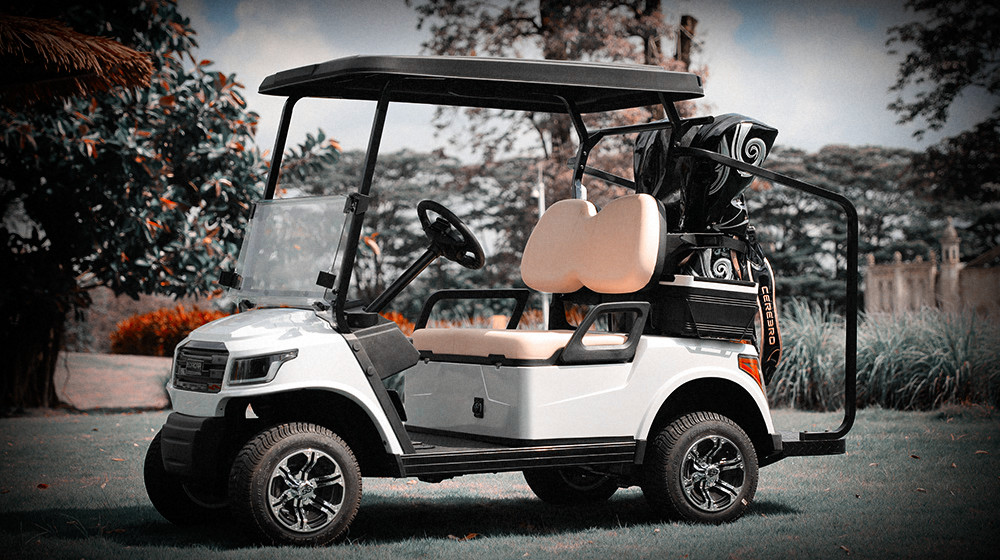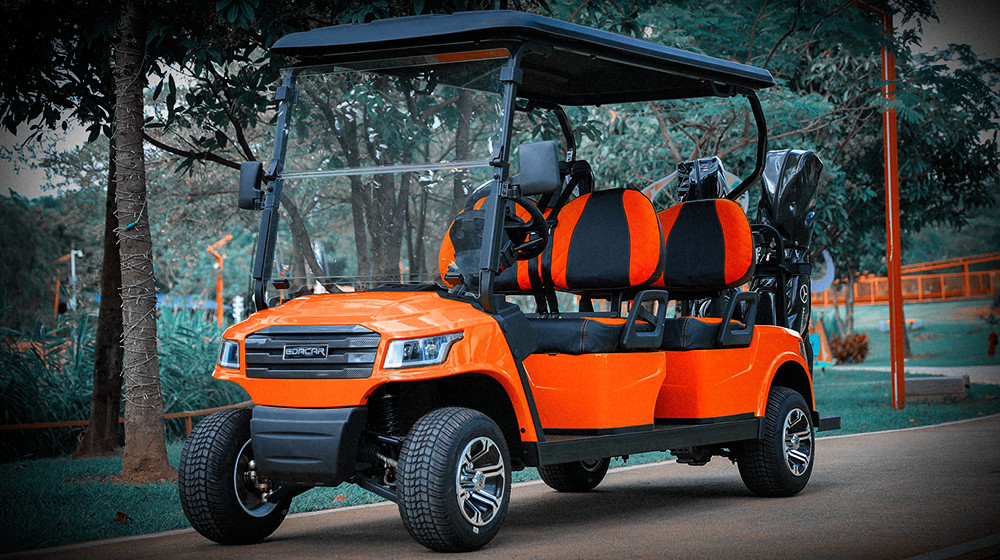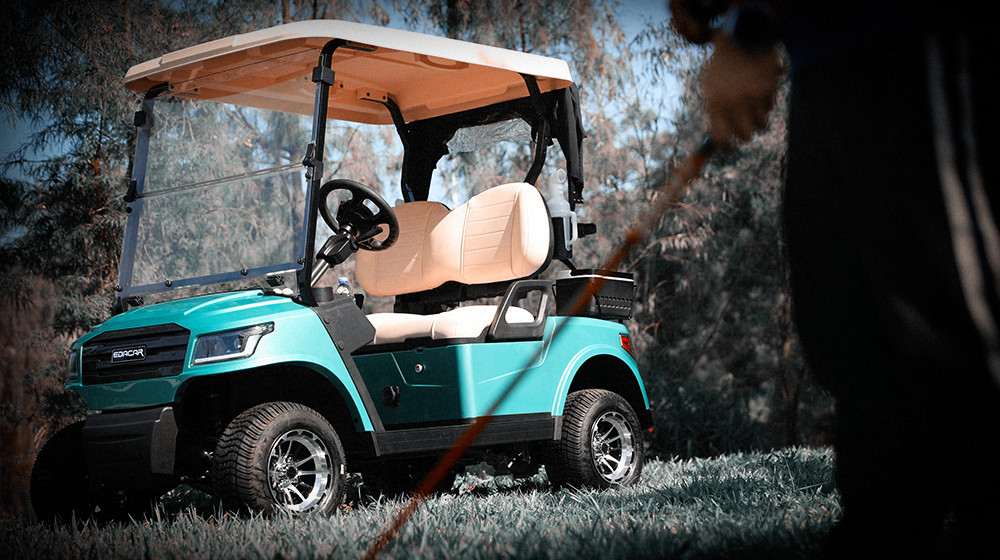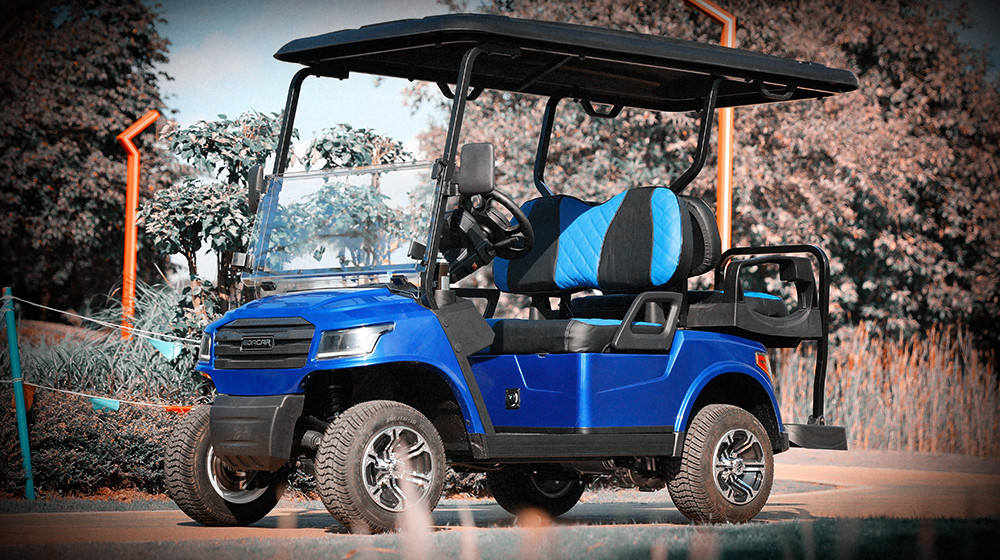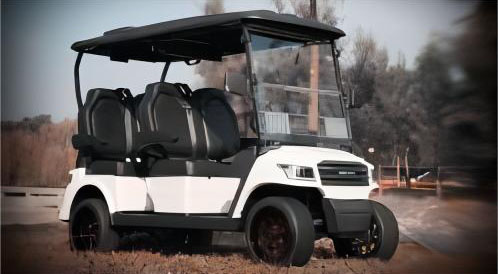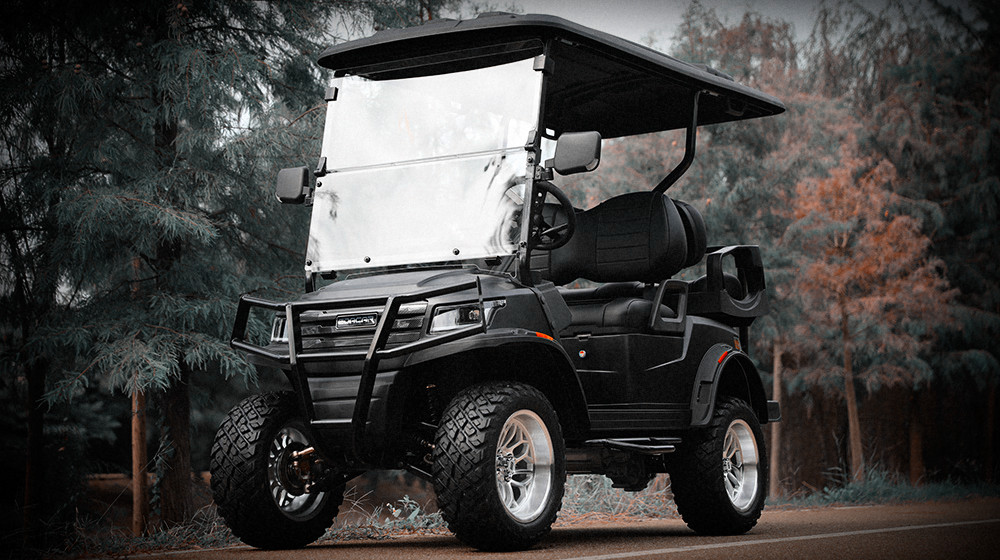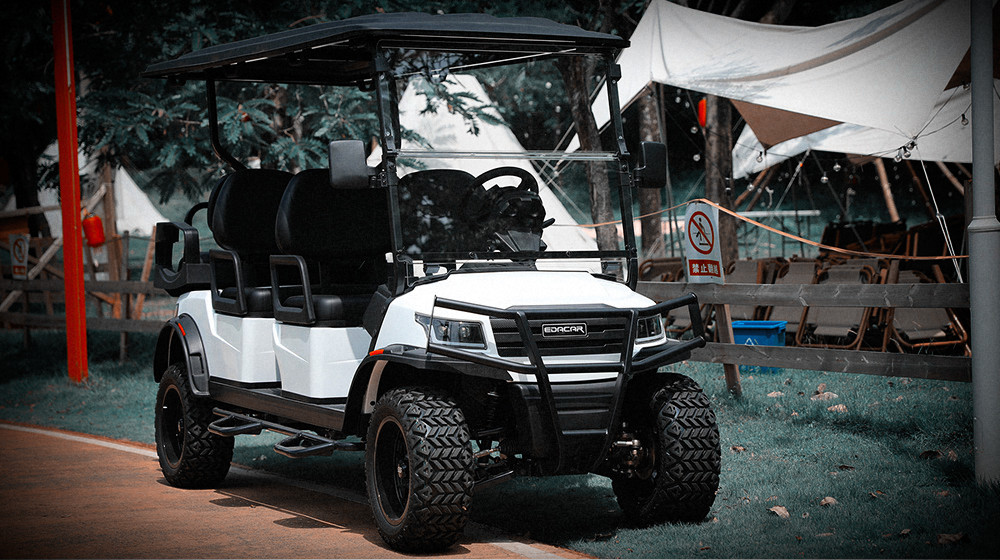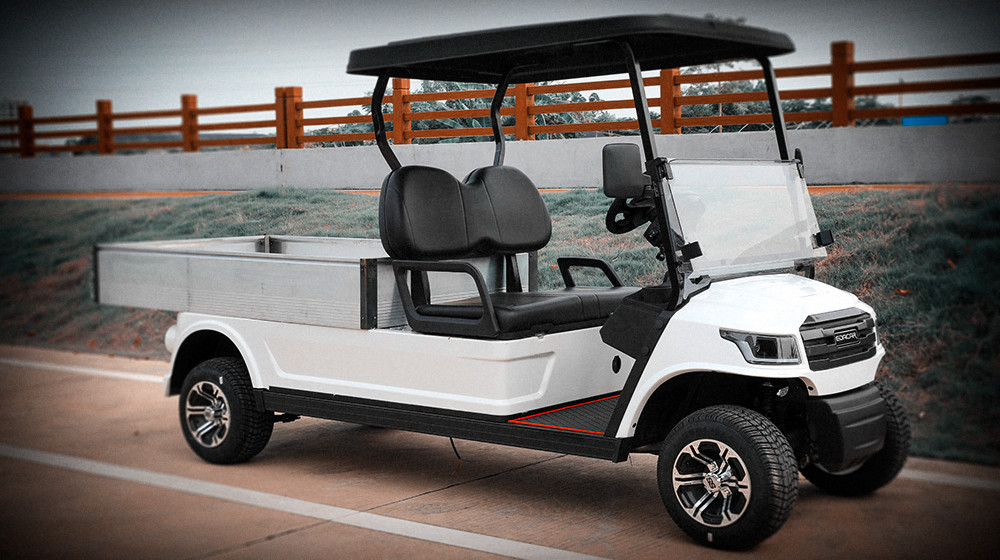
F2 MODEL
· 4KW AC MOTOR WITH EM BRAKE
· FOUR WHEEL DISC BRAKE
· LITHIUM POWERED

 Vehicles
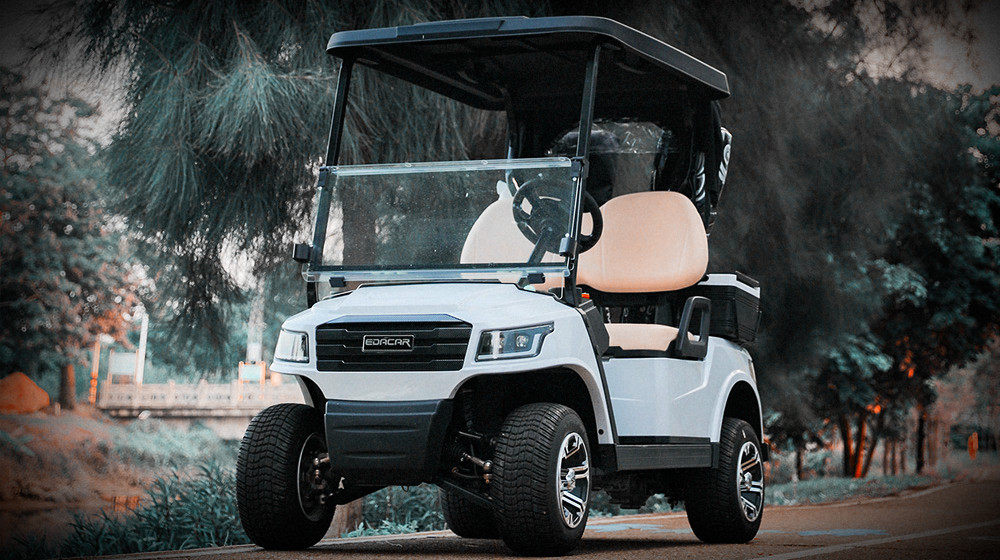
Experience the greens in a whole new way
Drive like a pro with our carts, Leave the walking to others.
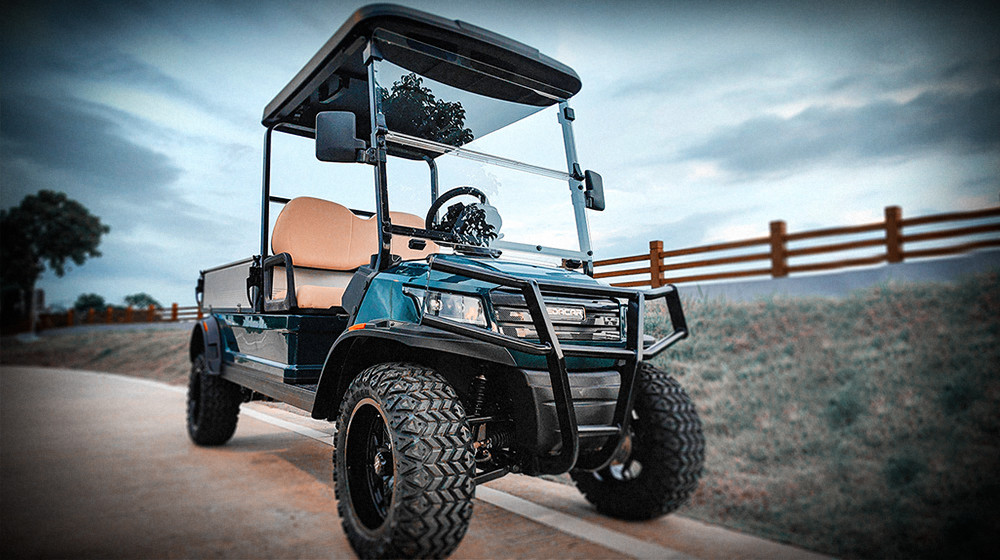
When the good road ends, the great adventure begins.
We get you where you need to go, without a worry
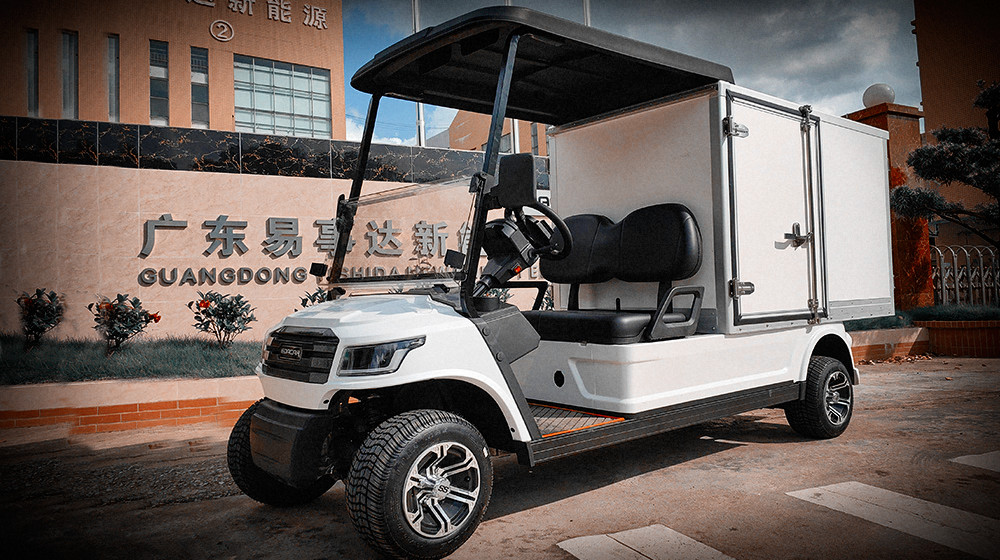
Delivery you can count on. One Charge Can Go A Long Way.
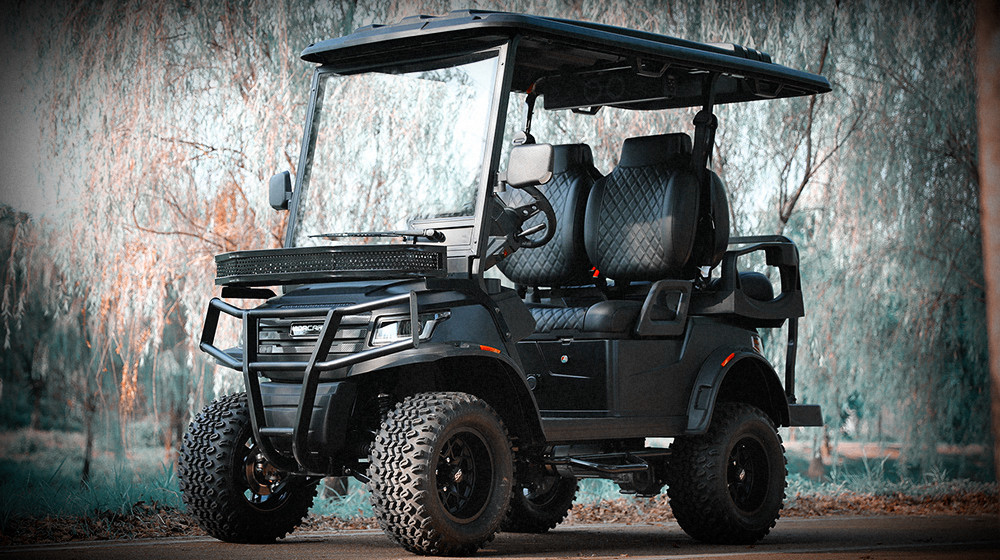
Golf Cart Customization: Golf carts have evolved into versatile vehicles. These vehicles now cater to daily activities beyond just golfing. Through the art of customization, one can truly express individuality. More than aesthetics, customization ensures the achievement of optimized performance. For those seeking enhancements, options abound: from paint colors to lift kits, and even lithium battery upgrades. We provide an extensive range of components and add-ons. With their offerings, designing a personalized art becomes an exciting endeavor. As you navigate this world of customization, rest assured, we're here to guide you every step of the way.
Dealers
Support
Press
Contact
 Lately, it feels like everyone’s talking about electric vehicles. The market's been booming, and according to a report by Allied Market Research, it's expected to grow at a rate of over 22% per year from 2021 all the way through 2031. Pretty impressive, right? At the heart of all this buzz is the Li-ion battery — that vital component powering a bunch of different stuff, from electric golf carts and utility vehicles to off-road machines and even people carriers.
EDACAR EV Co., Ltd. is right there leading the charge; they're a high-tech company focused on developing and making lithium battery-powered vehicles. They've got these super modern assembly lines with 11 robots working together, which shows how serious they are about quality and efficiency. As more businesses consider adding Li-ion batteries into their fleets, it’s really important to understand what factors matter most when picking the right battery — after all, you want it to fit your needs and perform like a charm, right?
When you're trying to choose the right lithium-ion (Li-ion) battery for your business, it really pays off to understand the different types out there and how they’re used across various industries. The market has a pretty wide selection of Li-ion batteries, each designed for specific needs. For example, batteries with high energy density are perfect for electric vehicles—since weight and size matter a lot there. On the other hand, industrial batteries tend to put more emphasis on durability and long life, supporting things like forklifts or warehouse systems.
Also, let's not forget how quickly this tech is evolving. New innovations are constantly popping up, focusing on boosting energy storage, reducing charging times, and making things more cost-effective. These trends are really reshaping sectors like consumer electronics, the auto industry, and renewable energy storage. When companies are picking their batteries, they’ve got to look beyond just the specs—they should also consider how upcoming trends could affect performance and costs down the line. Essentially, it’s all about finding a solution that not only fits today’s operational needs but also lines up with their long-term goals.

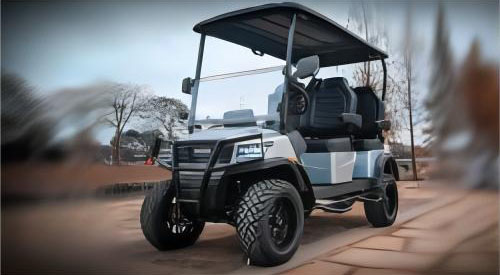
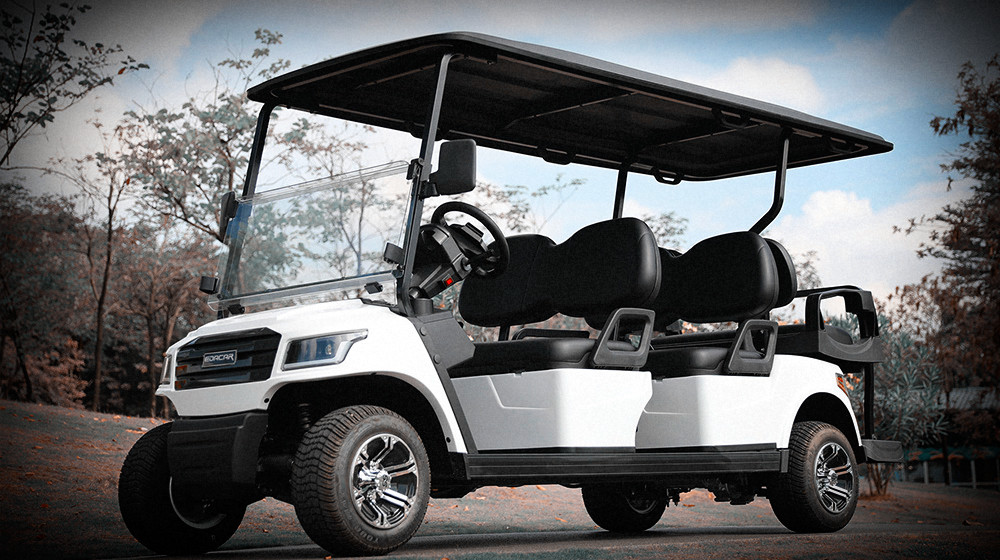
Discover the power of the GOLF CART SERIES-Siera Model, which is redefining the golfing experience with its cutting-edge enhanced lithium battery performance. Designed for avid golfers who value both style and efficiency, this model incorporates advanced technology that ensures longer-lasting power and quicker recharge times. The vibrant aesthetic, combined with top-notch performance, allows players to navigate the golf course smoothly, making every round more enjoyable.
The GOLF CART SERIES-Siera Model stands out with its state-of-the-art lithium battery, offering significantly improved energy density compared to traditional batteries. This translates to lighter carts and higher performance on the course, making it easier to tackle any terrain without the worry of running out of power. Whether you’re on a hilltop or cruising a flat fairway, the reliability of this battery ensures you can focus on your game, not your cart's performance.
Embrace the future of golf with the GOLF CART SERIES-Siera Model, where enhanced lithium battery technology meets luxurious design. This cart not only elevates your game but also enhances the overall golf experience, allowing you to enjoy longer days on the course with peace of mind. Upgrade to this innovative model, and discover just how much your game can improve with the right equipment.
: The market offers a range of Li-ion batteries tailored for distinct functionalities, including high-energy density batteries for electric vehicles and batteries designed for industrial applications that prioritize longevity and robustness.
Continuous advancements in Li-ion technology focus on improving energy density, charge times, and cost-efficiency, which are reshaping market dynamics across sectors such as consumer electronics, automotive, and renewable energy storage.
Businesses should balance initial investment against long-term savings by considering how integrating Li-ion batteries with technologies like solar power can significantly reduce energy costs over time.
Li-ion batteries, when combined with hybrid renewable energy systems, can optimize energy consumption and lower greenhouse gas emissions, assisting in the transition to net-zero energy buildings.
Businesses should assess a manufacturer's reputation through customer reviews and certifications, examine their production capabilities and technology, and consider supply chain stability and raw material availability.
Choosing a reliable manufacturer ensures the consistent quality, safety, and performance of batteries, which is crucial for meeting operational demands and contributing to long-term success.
Integrating Li-ion batteries with renewable energy sources, such as solar and wind, can enhance energy independence, lower operational costs, and contribute to significant energy savings over time.
For industrial applications, businesses should prioritize longevity and robustness in battery design to support heavy equipment like forklifts and other warehouse systems effectively.
Intelligent energy management systems can optimize energy consumption, reduce operational costs, and enhance energy reliability in settings utilizing Li-ion batteries.
Emerging trends focused on energy efficiency, cost reduction, and technological advancements are influencing how companies select and implement Li-ion battery solutions for their operations.
In today’s fast-changing market, picking the right lithium-ion battery is super important if you want to get the best performance and efficiency out of your devices or systems. It’s really helpful to understand the different types of Li-ion batteries and how each one fits into various industries — that way, you’ll be able to make smarter, more informed decisions. Things like capacity and energy density are key details to consider because they ensure that the battery you choose can handle your business’s demands while also keeping safety in check, thanks to solid features and proper certifications.
On top of that, doing a good cost analysis can really help you weigh the initial investment against long-term savings — making the whole selection process more strategic and less of a shot in the dark. Don't forget, evaluating potential suppliers is just as important. A reliable manufacturer can make a big difference in the quality and dependability of your batteries. At EDACAR EV Co., Ltd., we use advanced manufacturing tech to meet all these needs, delivering cutting-edge lithium battery-powered vehicles that are designed to help boost your operational efficiency across a variety of sectors.