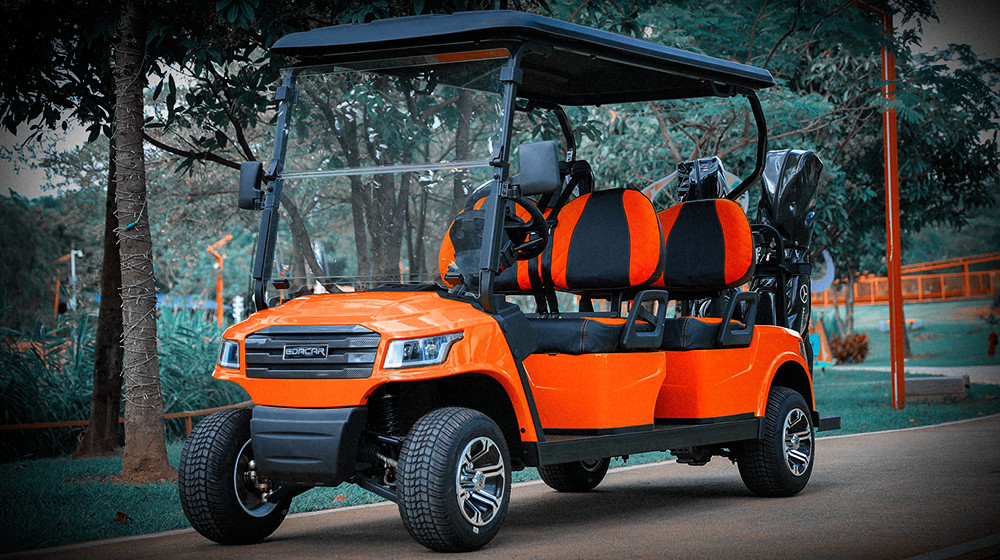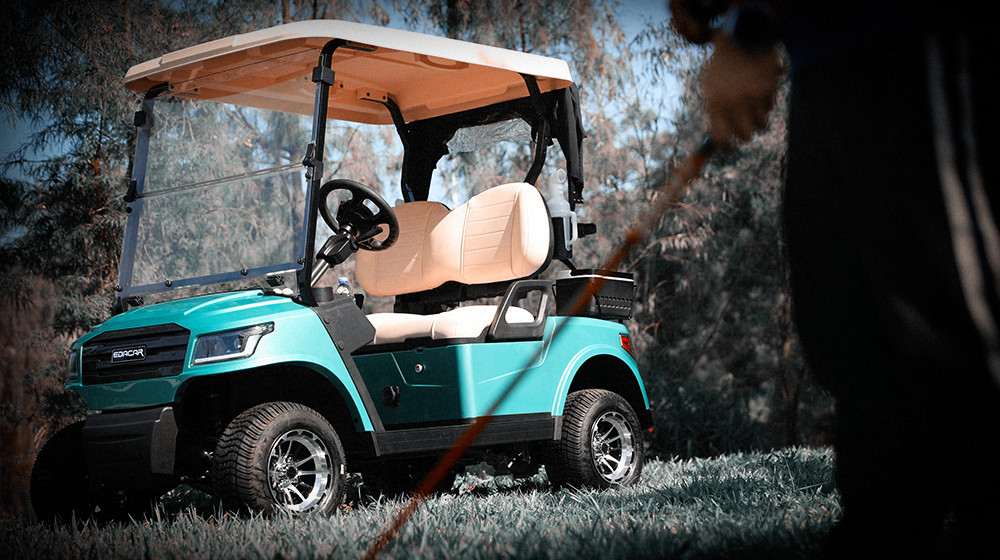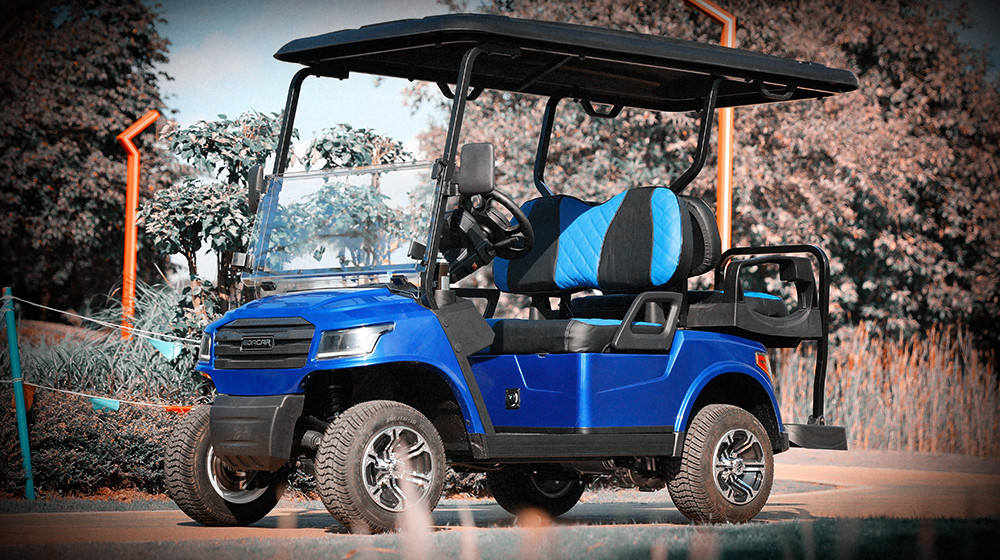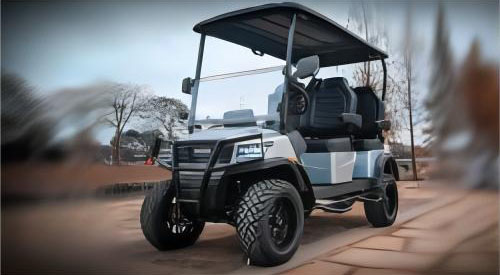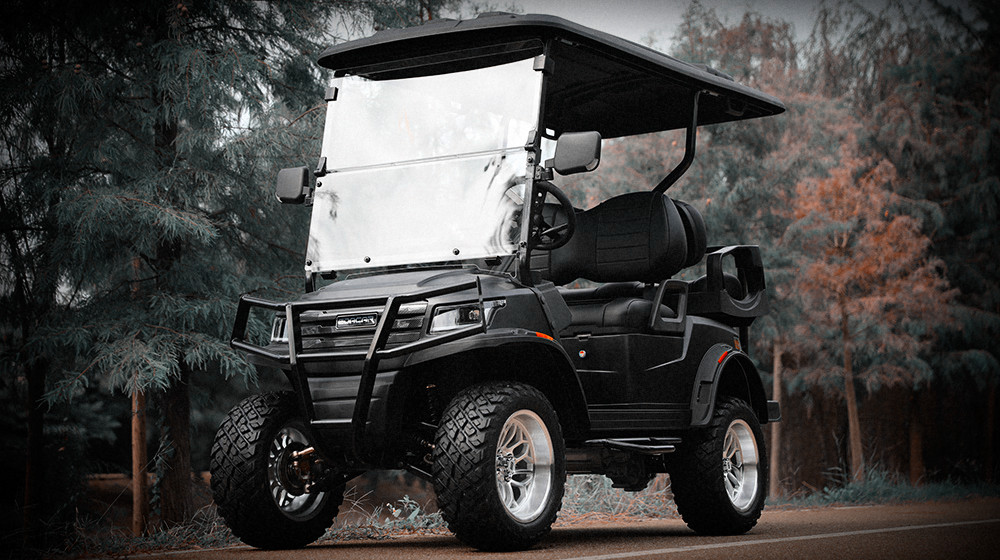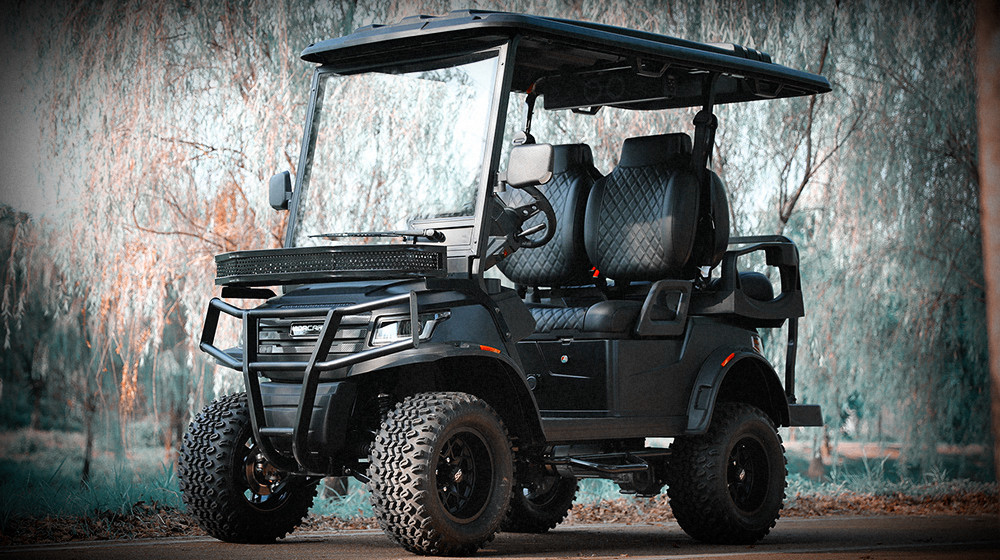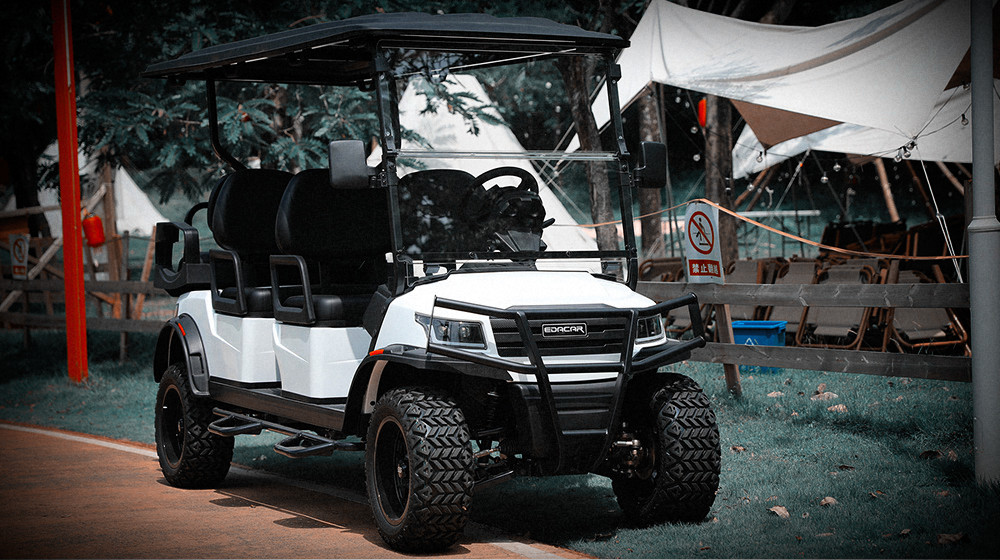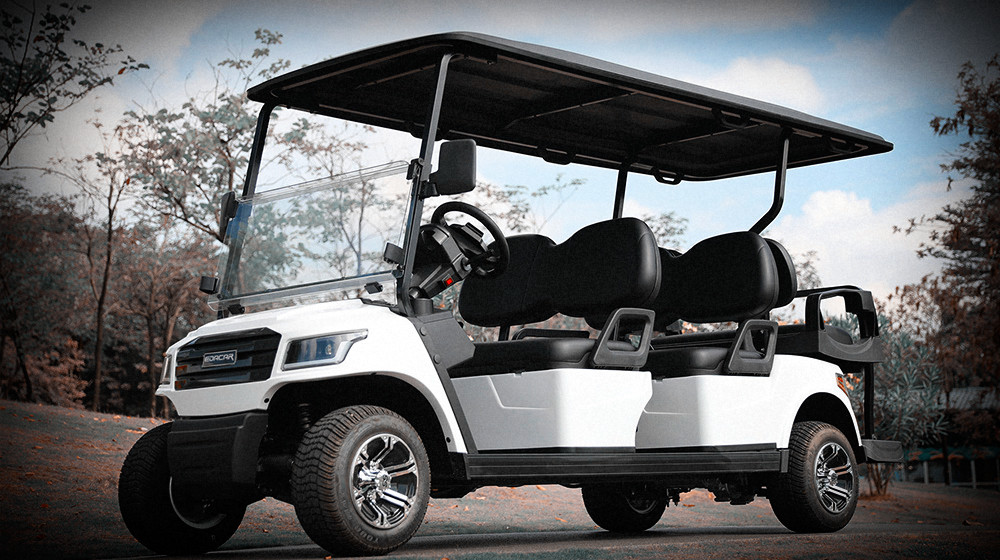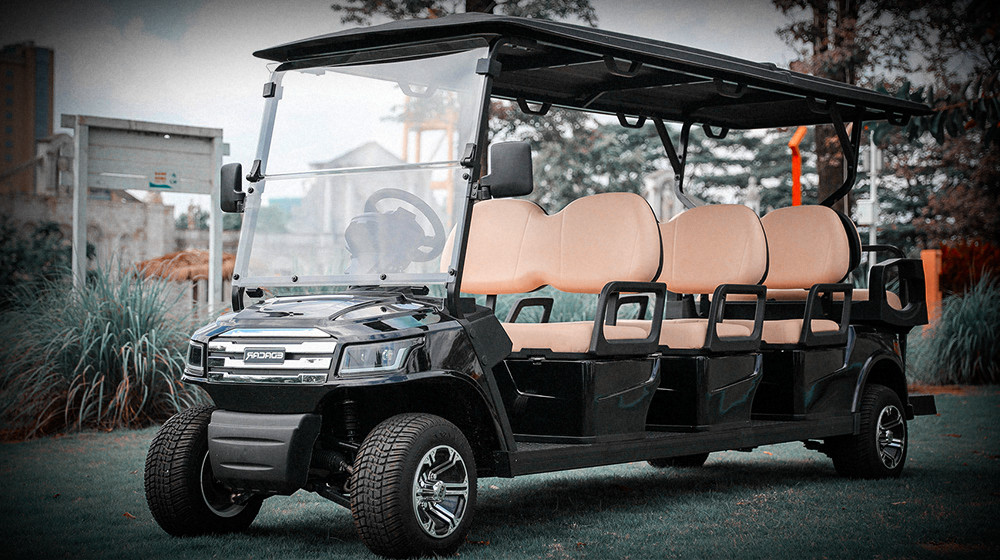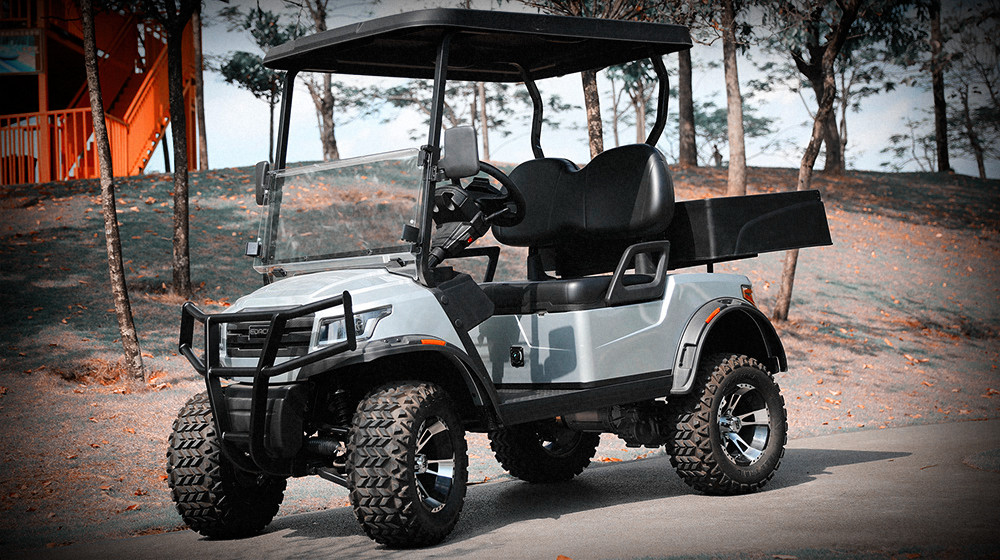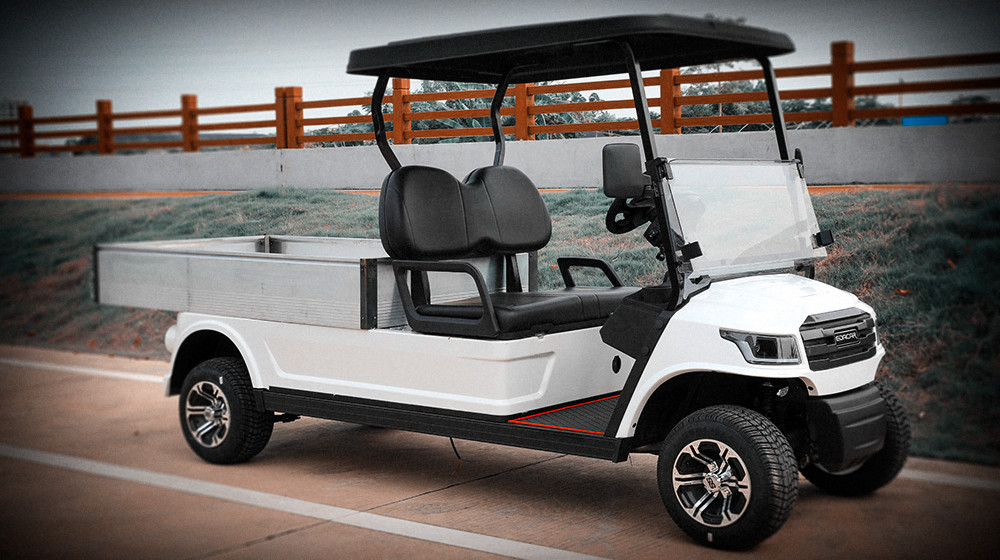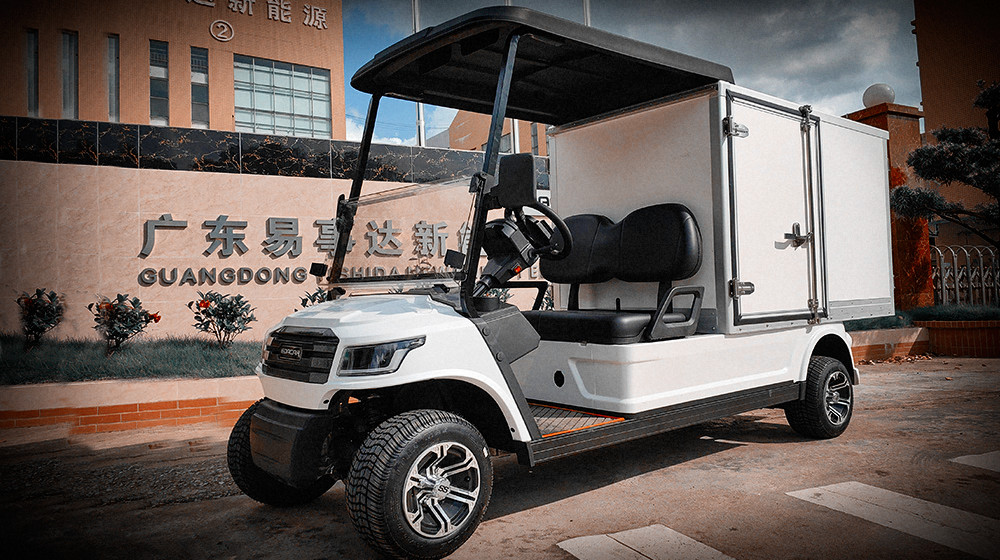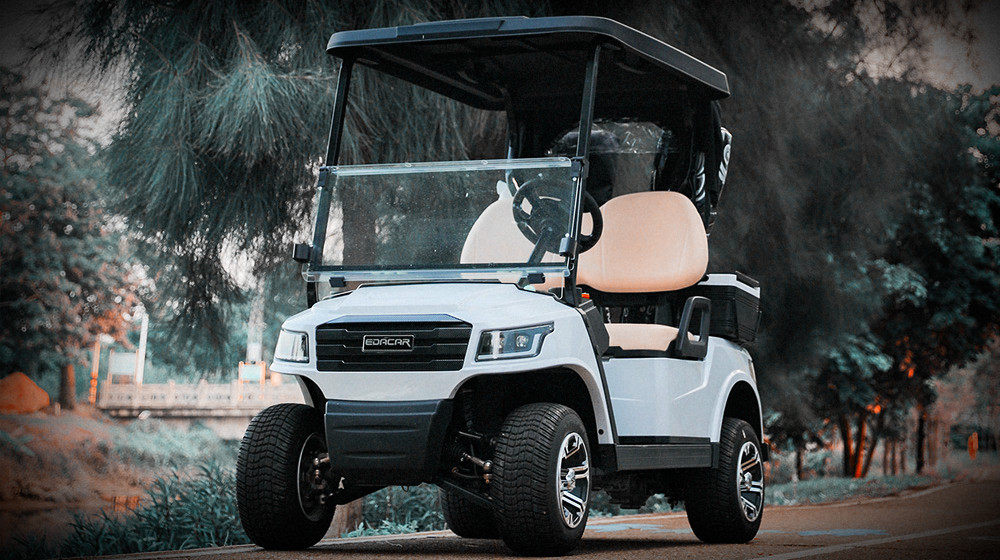
F2 MODEL
· 4KW AC MOTOR WITH EM BRAKE
· FOUR WHEEL DISC BRAKE
· LITHIUM POWERED

 Vehicles
Experience the greens in a whole new way
Drive like a pro with our carts, Leave the walking to others.
When the good road ends, the great adventure begins.
We get you where you need to go, without a worry
Delivery you can count on. One Charge Can Go A Long Way.
Golf Cart Customization: Golf carts have evolved into versatile vehicles. These vehicles now cater to daily activities beyond just golfing. Through the art of customization, one can truly express individuality. More than aesthetics, customization ensures the achievement of optimized performance. For those seeking enhancements, options abound: from paint colors to lift kits, and even lithium battery upgrades. We provide an extensive range of components and add-ons. With their offerings, designing a personalized art becomes an exciting endeavor. As you navigate this world of customization, rest assured, we're here to guide you every step of the way.
Dealers
Support
Press
Contact
As the world focuses more and more on sustainability, the importance of innovative golf cart manufacturers has really started to grow, especially when it comes to creating eco-friendly golf courses.
 Take EDACAR EV Co., Ltd., for example—this high-tech company is right at the forefront of making a difference. They're all about designing, researching, building, and selling electric golf carts and utility vehicles powered by lithium batteries. Their cutting-edge assembly lines, packed with advanced robotic tech, help them lead the way in sustainable manufacturing. It's not just about cutting down their environmental impact — it’s also about meeting the rising demand for greener options in recreational transport.
Looking ahead, I think we can expect the golf cart industry to evolve into something that not only helps golf course operators but also happily coexists with nature. Golf can stay a fun activity, all while being more eco-friendly and in tune with the environment.
Take EDACAR EV Co., Ltd., for example—this high-tech company is right at the forefront of making a difference. They're all about designing, researching, building, and selling electric golf carts and utility vehicles powered by lithium batteries. Their cutting-edge assembly lines, packed with advanced robotic tech, help them lead the way in sustainable manufacturing. It's not just about cutting down their environmental impact — it’s also about meeting the rising demand for greener options in recreational transport.
Looking ahead, I think we can expect the golf cart industry to evolve into something that not only helps golf course operators but also happily coexists with nature. Golf can stay a fun activity, all while being more eco-friendly and in tune with the environment.
Looking ahead, the future of eco-friendly golf cart manufacturing really hinges on using innovative materials that not only cut down on environmental impact but also keep performance top-notch. EDACAR EV Co., Ltd. is right out in front on this front — we're a leading high-tech company in the country, after all. We’re super passionate about R&D, constantly exploring alternative materials like biodegradable composites and recycled metals to lessen our carbon footprint. These choices don’t just make our electric golf carts more eco-conscious; they also help us craft lighter, more efficient vehicles that modern golf courses are actually craving.
On top of that, we’re using cutting-edge technology — like our high-tech assembly lines, which are equipped with 11 robots. This helps us keep production smooth and precise, especially when working with sustainable materials. It’s a win-win: we’re making manufacturing more environmentally responsible while pushing industry innovation forward. As golf courses become more focused on sustainability, developing green, eco-friendly carts is more crucial than ever. It’s an exciting chance for EDACAR EV to lead the way toward greener, more sustainable options for sports and leisure transport. By leaning into these innovative materials, we’re paving the way for a future where luxury and sustainability walk hand in hand on the fairways.
| Material Type | Sustainability Rating | Recyclability | Weight (kg) | Cost per kg ($) |
|---|---|---|---|---|
| Biodegradable Plastics | 8/10 | Yes | 2.5 | 4.00 |
| Recycled Aluminum | 9/10 | Yes | 1.2 | 3.50 |
| Bamboo Composites | 7/10 | Yes | 3.0 | 5.00 |
| Natural Rubber | 8/10 | Yes | 1.0 | 2.50 |
| Recycled PET | 8/10 | Yes | 2.2 | 3.00 |
The versatility of utility vehicles has significantly transformed everyday tasks, making them indispensable in a variety of settings. Golf carts, traditionally known for their use on the golf course, have evolved to excel in food delivery and household chores. These vehicles are designed to navigate both grassy terrains and paved pathways, providing an efficient means for transporting goods or completing errands. Their compact size and agile maneuverability make them ideal for busy neighborhoods or large properties where accessibility can be a challenge.
When considering a golf cart for food delivery, look for models equipped with spacious cargo areas and secure storage options to keep items safe during transit. Electric models, which are increasingly popular, not only operate quietly but also reduce the carbon footprint, making them an eco-friendly choice. Additionally, features such as a rain cover or a comfortable seating arrangement can enhance the experience, allowing users to carry out their tasks with ease and comfort. Whether you need to deliver fresh groceries or haul supplies for home improvement projects, selecting the right utility vehicle can greatly simplify your daily chores.
: Key sustainable practices include the use of recyclable materials, incorporating renewable energy sources like solar power, and optimizing supply chain logistics to reduce emissions.
Using recycled metals and plastics can reduce energy consumption by up to 25% compared to conventional materials, contributing to a smaller environmental footprint.
Renewable energy reduces carbon footprints and offers substantial long-term savings on energy costs, making charging stations more eco-friendly and economically viable.
Over 40% of golf courses in the U.S. are actively exploring sustainable alternatives, particularly the adoption of electric golf carts.
Solar panels can significantly reduce electricity costs, with studies indicating reductions of up to 70% for facilities using renewable energy for charging.
Partnering with local renewable energy providers can enhance charging station effectiveness and promote community involvement in sustainability initiatives.
Lithium-ion batteries provide longer lifespans and generate less environmental waste, aligning with the push for greener golf cart options.
Sourcing components locally can lower transportation emissions and reduce operational costs by 15%, making sustainable golf carts an economically viable choice.
Conducting a feasibility study to assess potential energy savings and environmental benefits can help operators make informed decisions on renewable technology adoption.
The growing adoption of eco-friendly practices in golf cart manufacturing can create a ripple effect, promoting sustainability across the entire golf industry.
Hey, when it comes to the future of making golf carts more eco-friendly, things are definitely looking up. We're seeing a real shift towards using innovative materials and greener practices in the industry. Switching to electric golf carts is a pretty big deal—it’s a much better alternative to the old gas-powered models, and it helps cut down the carbon footprint of golf courses quite a lot. At EDACAR EV Co., Ltd., we’re all in on this movement. We’re using the latest lithium battery tech, which lines up perfectly with what consumers are increasingly looking for—more eco-conscious and modern designs.
To really support this push for sustainability, we know it’s all about following good manufacturing practices, like using renewable energy for charging stations. Plus, recycling efforts and coming up with smart end-of-life solutions for golf carts are key moves to be more responsible environmentally. We’re pretty excited about leading the charge on these initiatives—not just to innovate in the golf cart world, but also to encourage a bigger shift towards greener transportation for fun and leisure. It’s a journey, and we’re happy to be part of it.