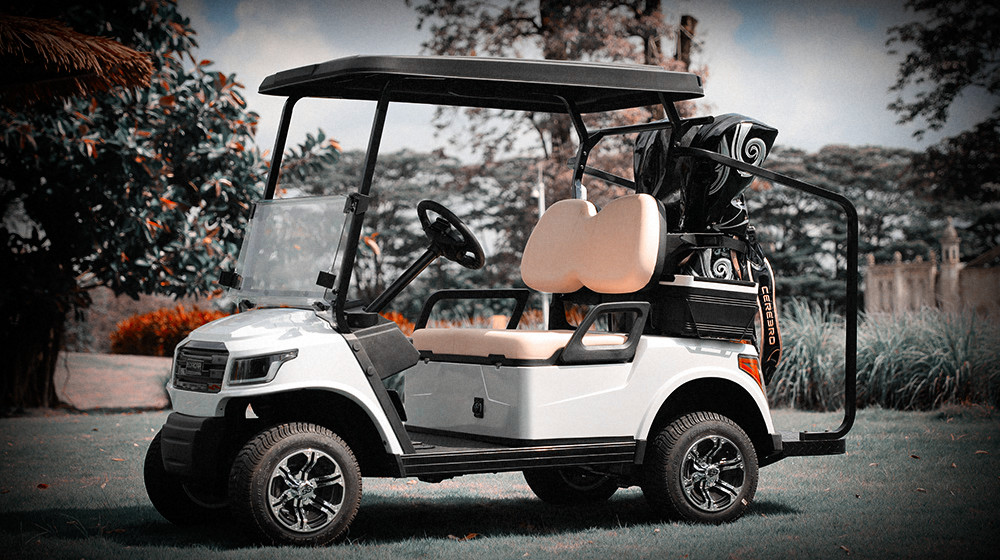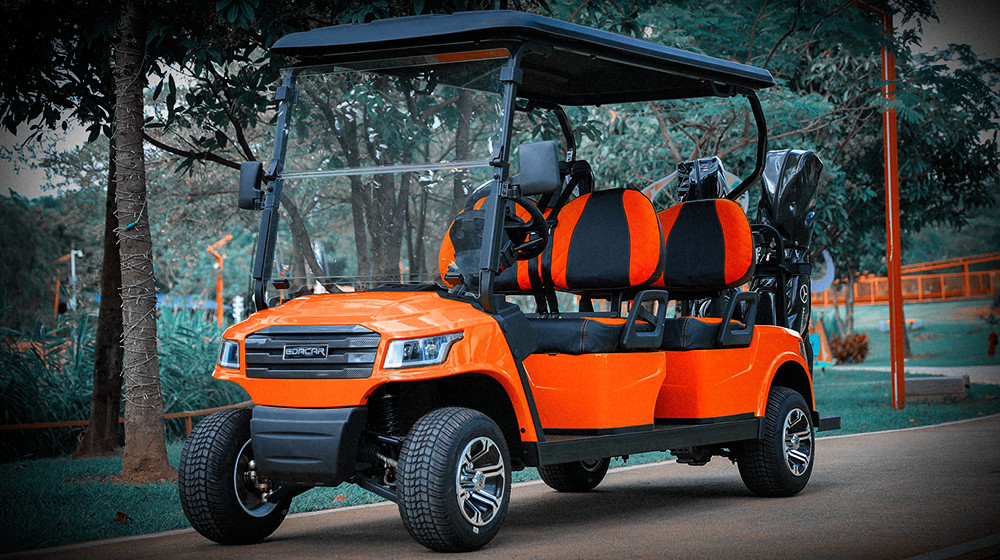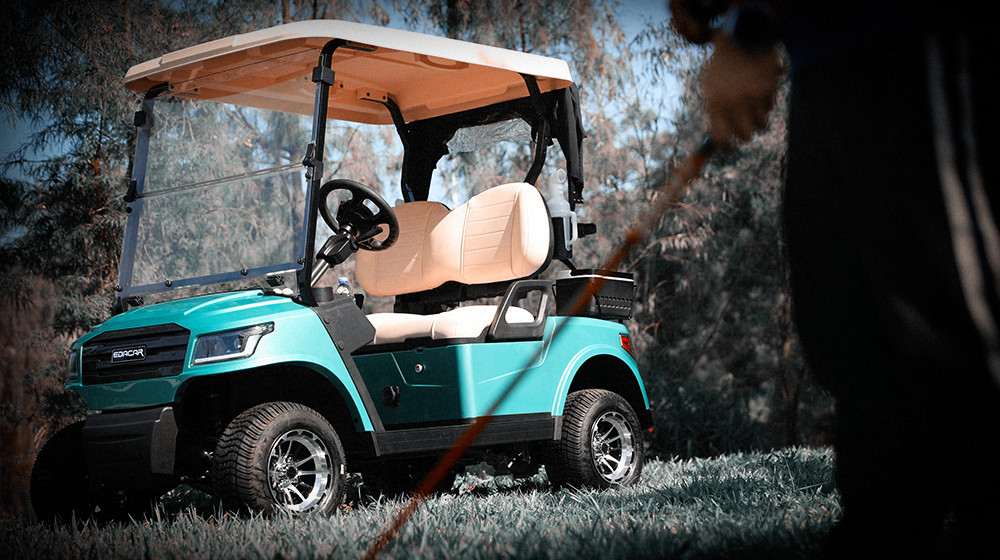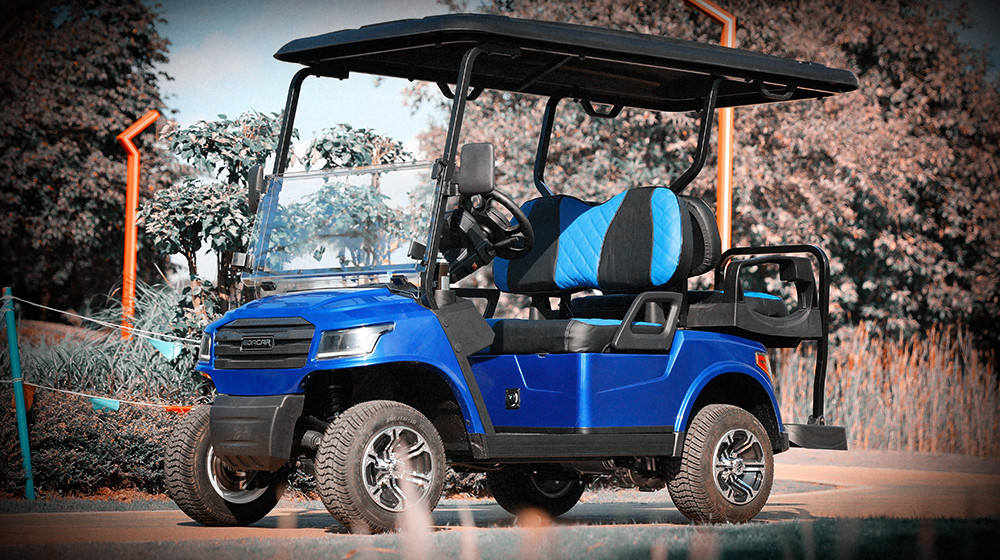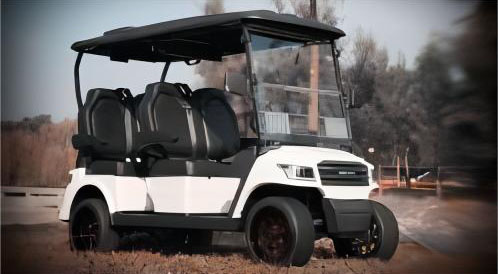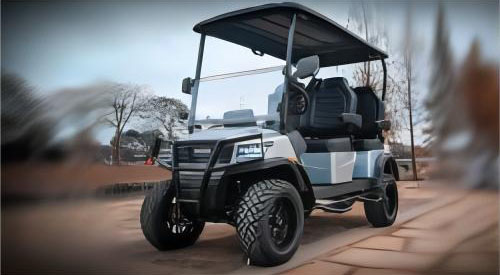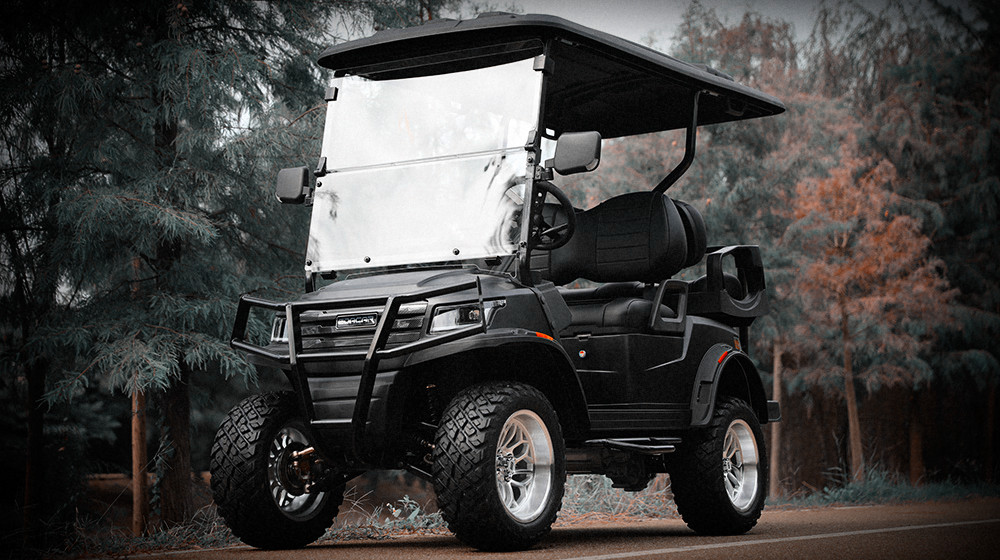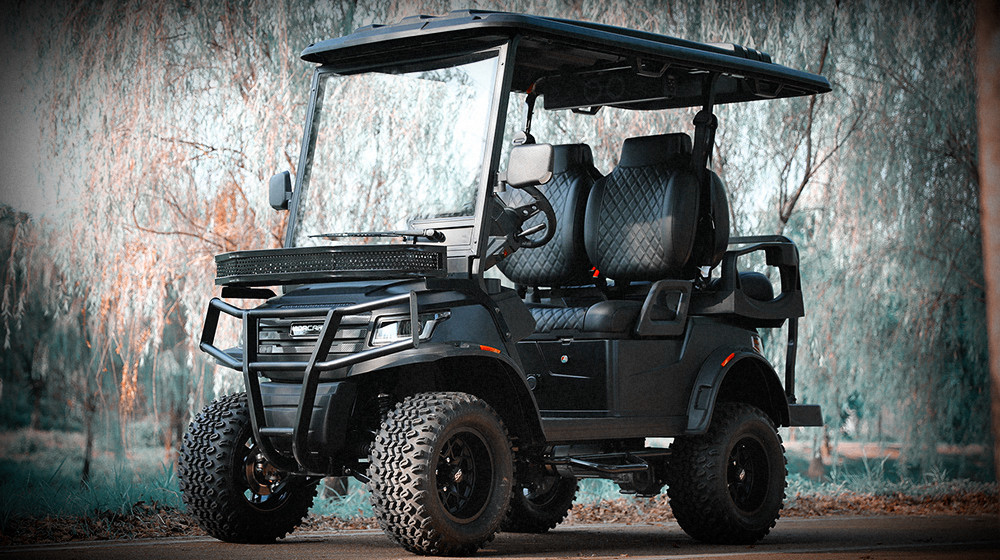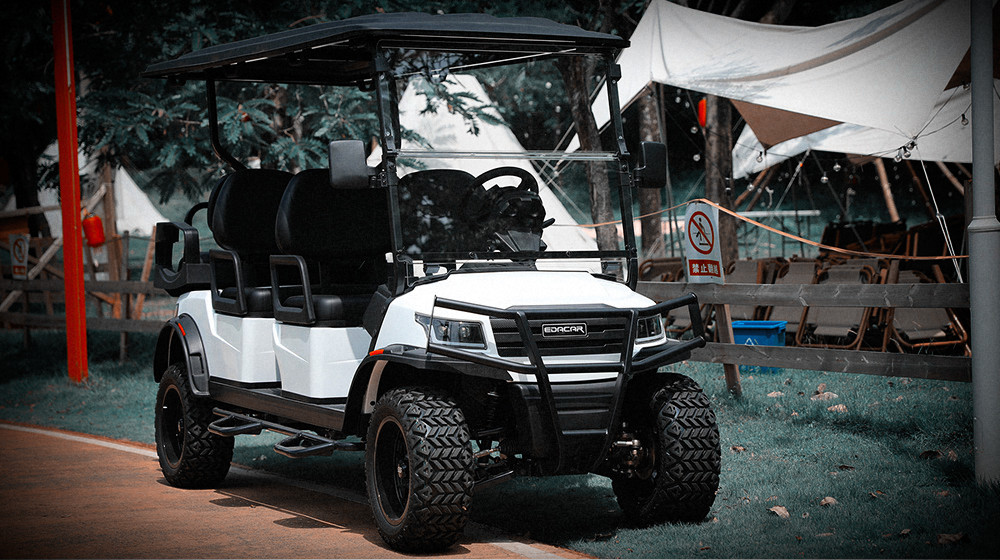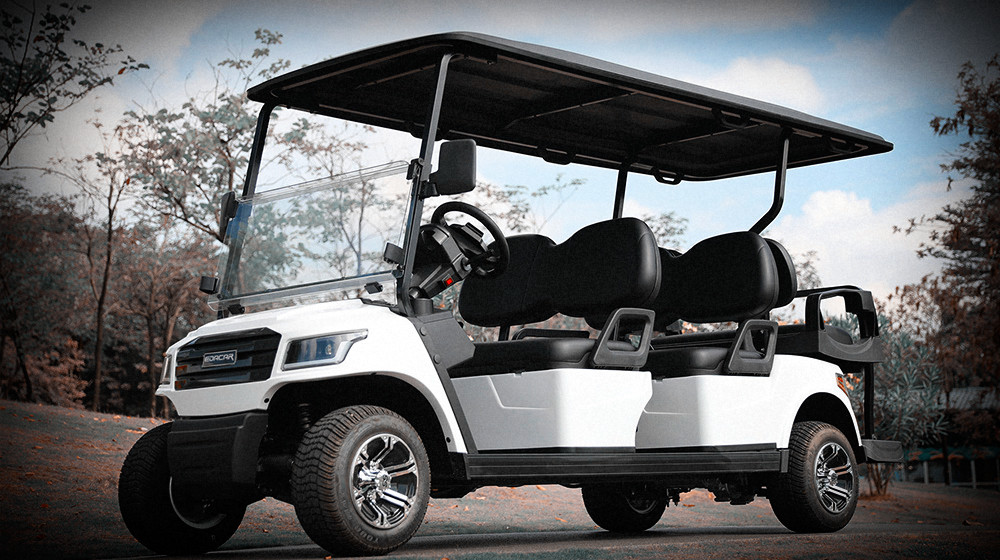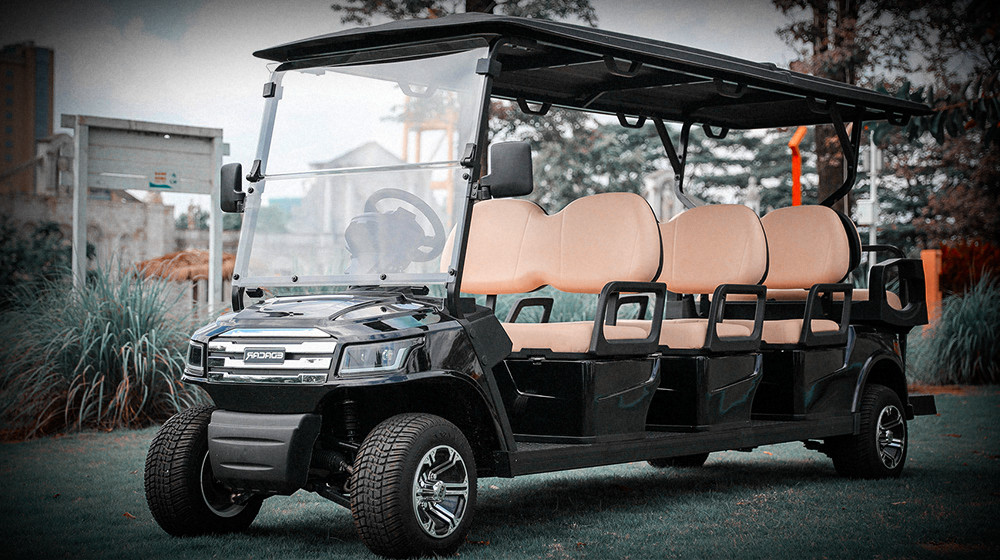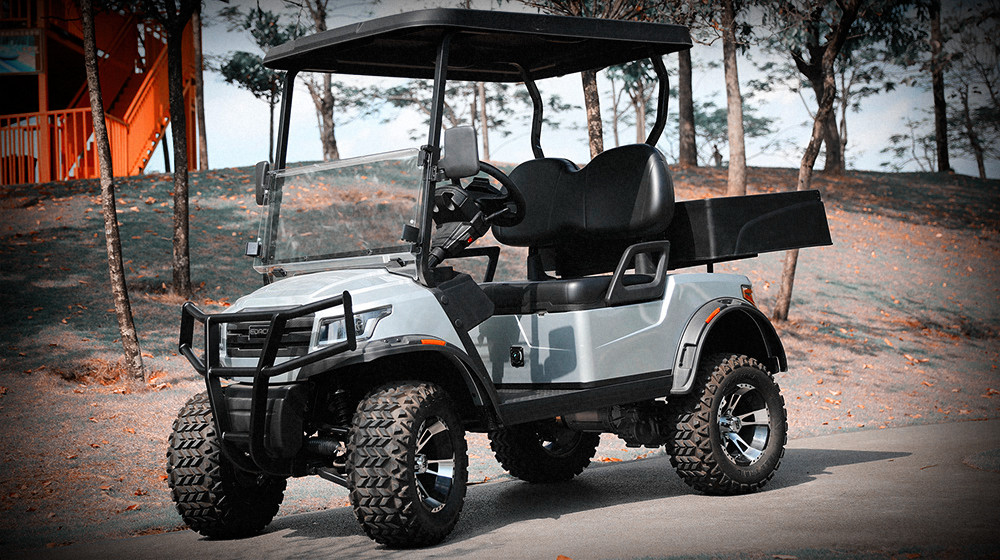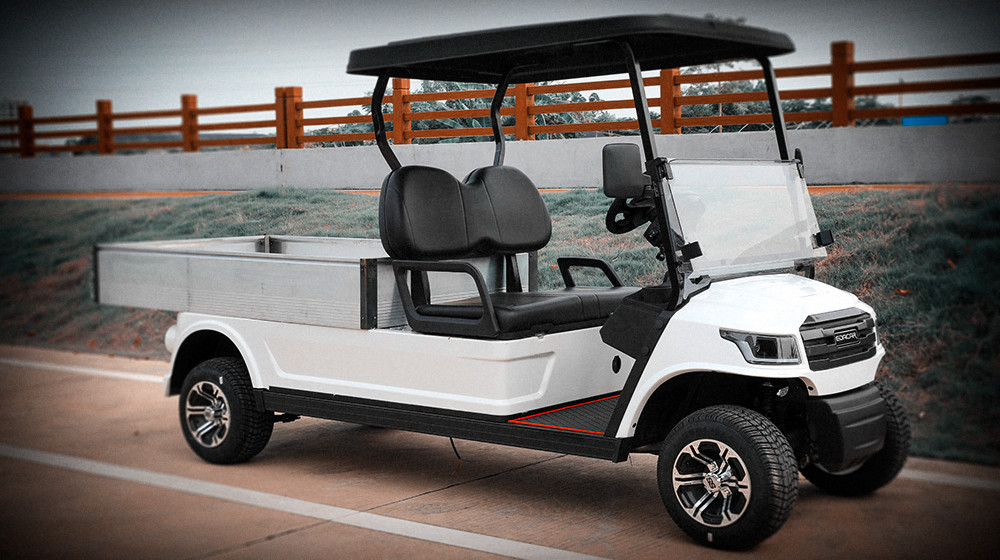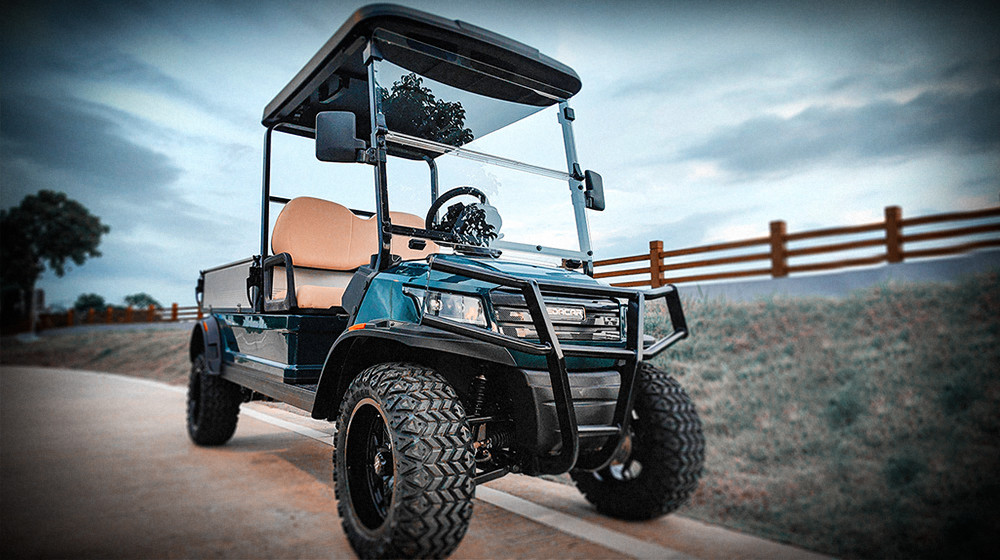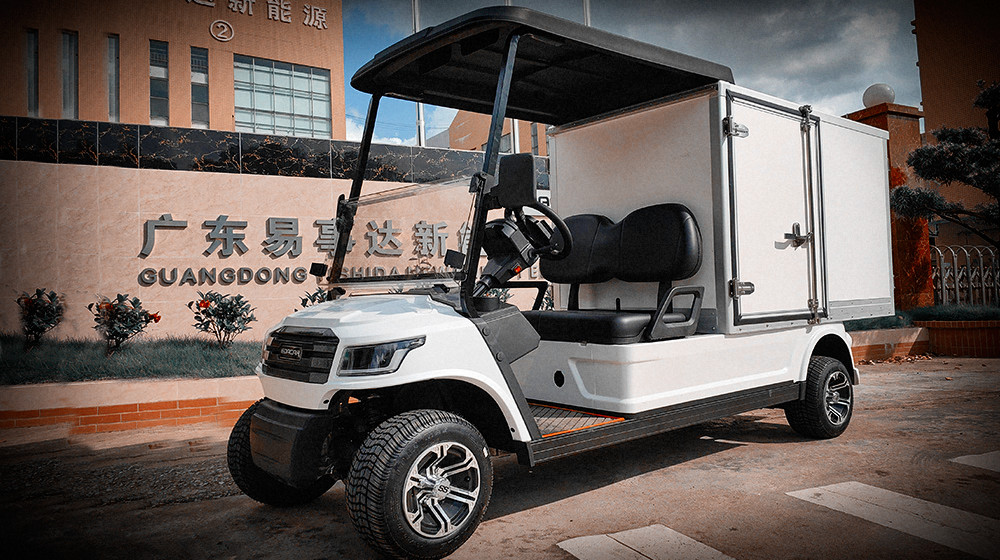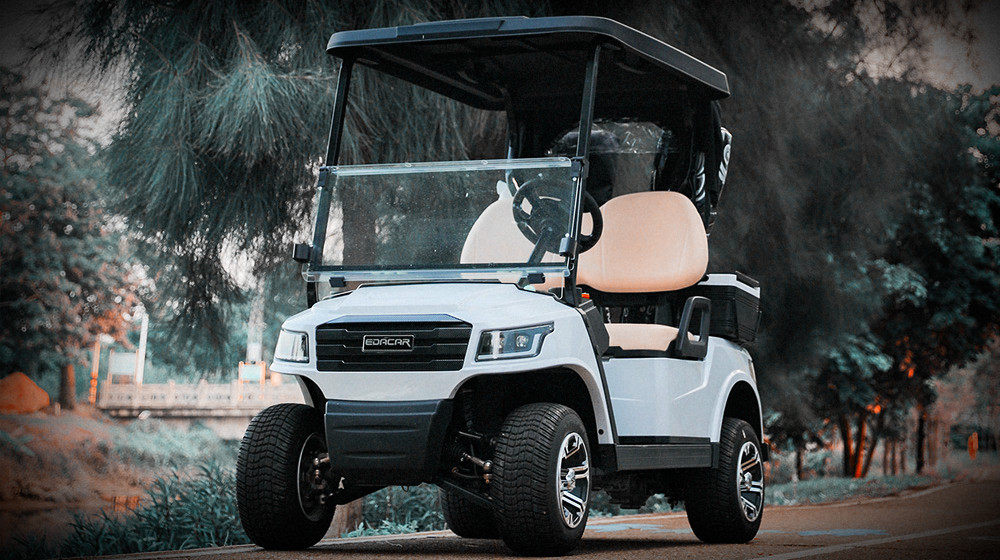
F2 MODEL
· 4KW AC MOTOR WITH EM BRAKE
· FOUR WHEEL DISC BRAKE
· LITHIUM POWERED

 Vehicles
Experience the greens in a whole new way
Drive like a pro with our carts, Leave the walking to others.
When the good road ends, the great adventure begins.
We get you where you need to go, without a worry
Delivery you can count on. One Charge Can Go A Long Way.
Golf Cart Customization: Golf carts have evolved into versatile vehicles. These vehicles now cater to daily activities beyond just golfing. Through the art of customization, one can truly express individuality. More than aesthetics, customization ensures the achievement of optimized performance. For those seeking enhancements, options abound: from paint colors to lift kits, and even lithium battery upgrades. We provide an extensive range of components and add-ons. With their offerings, designing a personalized art becomes an exciting endeavor. As you navigate this world of customization, rest assured, we're here to guide you every step of the way.
Dealers
Support
Press
Contact
Lately, it feels like everyone’s talking about lithium batteries, and honestly, it makes a lot of sense — we’re really leaning more on electric vehicles and renewable energy these days. If you look at what Fortune Business Insights reports, the global market for lithium batteries is expected to hit around $135 billion by 2027. That’s a huge jump, and a lot of it comes down to cool tech stuff and more folks caring about the environment.

At EDACAR EV Co., Ltd., we’re right in the middle of this wave. We’re a high-tech company, focusing on innovation, R&D, manufacturing, and selling all kinds of electric vehicles powered by lithium batteries — things like golf carts, utility vehicles, off-road gear, and people movers. Our factory’s pretty impressive too — with 11 robots on the assembly lines — helping us keep up with the growing demand for faster, greener transportation options. This guide’s gonna take you through the different kinds of lithium batteries, how they’re used, and why they’re such a big deal for making mobility more energy-efficient in the future.
Lithium batteries are pretty much everywhere nowadays—powering everything from our smartphones to electric cars. If you’re trying to figure out which one’s right for you, it helps to know the different types out there. The most common ones are Lithium-Ion (Li-ion), Lithium Polymer (LiPo), and Lithium Iron Phosphate (LiFePO4).
Li-ion batteries are favorites for their high energy density and long lifespan, so they’re usually what you see in most gadgets. On the other hand, LiPo packs a punch when it comes to flexibility—these are what you want if you need a battery that can fit into tricky shapes, like in drones or remote-controlled cars. And then there’s LiFePO4, which people love for being safer and more stable when it comes to temperature—great for electric vehicles and solar energy setups.
When you're picking out a lithium battery, think about what your device actually needs. If you need something that cranks out plenty of power, Li-ion is often your best bet. But if weight and size matter a lot—say, for a portable gadget or a drone—a LiPo might be the way to go. Also, don’t forget about how you charge these things—always use the right charger for each type. Otherwise, you could end up damaging your battery or shortening its life. And keep an eye on the condition of your batteries, especially LiPo ones—they can swell or get unstable if you don’t handle them right. By understanding what each type offers, you’ll be better prepared to pick the right battery for your needs and keep things safe and running smoothly.
The GOLF CART SERIES-Siera 2 Model is revolutionizing the way golfers experience the game, thanks to its enhanced lithium battery performance. As golf courses increasingly adopt eco-friendly practices, the demand for efficient, lightweight, and reliable electric golf carts is on the rise. According to a recent market research report, the global electric golf cart market is projected to grow at a CAGR of 7.2% from 2021 to 2028, driven by advancements in battery technologies and a shift towards sustainable transport solutions in recreational areas.
The Siera 2 Model stands out with its state-of-the-art lithium battery, offering a significant improvement in performance and longevity compared to traditional lead-acid batteries. With a full charge, this model can travel up to 50% further, providing golfers with extended playtime without the worry of running out of power. Lithium batteries are not only lighter, making the cart easier to maneuver, but they also have a longer lifespan, reducing the total cost of ownership. A study by the Electric Vehicle Association indicates that lithium-based models can last up to five times longer than their lead-acid counterparts, which is a crucial benefit for avid golfers who frequent the course.
Moreover, the Siera 2 Model is designed with user experience in mind, integrating features such as quick recharging capabilities and advanced regenerative braking systems. Statistics show that electric carts equipped with regenerative braking systems can recover up to 30% of energy that would otherwise be lost, further extending the battery range. With innovations like these, the GOLF CART SERIES-Siera 2 model not only enhances every round of golf but also aligns with the growing trend towards sustainable golfing practices.
: Improper disposal of lithium batteries can lead to hazardous waste that poses risks to both human health and the environment.
Consumers should utilize certified recycling centers that specialize in battery management and follow local regulations regarding battery disposal.
Recycled lithium batteries can safely extract valuable materials like lithium, cobalt, and nickel, which can be repurposed into new batteries.
The solid-state battery market is projected to reach $41.9 billion by 2030, expanding at a CAGR of 28.2% from 2023.
Solid-state batteries offer enhanced energy density, improved safety, and a longer lifespan compared to traditional lithium-ion batteries.
The increasing demand for energy storage, electric vehicles, and advancements in battery technology are driving the demand for lithium batteries.
The global battery backup unit market is projected to reach a size of USD 43.64 billion by 2034.
Industries are prioritizing lithium batteries due to their strategic importance in energy efficiency and reducing carbon footprints.
The electric vehicle (EV) industry and renewable energy systems are particularly noteworthy contributors to the demand for lithium batteries.
EDACAR EV Co., Ltd. is committed to environmental stewardship, aligning their innovation in electric vehicles with sustainability and technological advancement.
In today's fast-moving world of energy storage, getting a good grip on the different types of lithium batteries is pretty important if you want to make the most out of what they have to offer. From the popular varieties we dive into in this guide to the side-by-side comparisons of things like energy density and cycle life, every little detail about lithium batteries really matters—especially when it comes to electric vehicles and other cool uses. And let's not forget safety—it's huge, especially to avoid risks like thermal runaway. Plus, thinking about the environment, recycling, and disposal isn’t something you can just overlook anymore.
Lately, there’s a lot of buzz around new trends, especially with solid-state lithium batteries, which look super promising for better performance and safety down the line. For companies like EDACAR EV Co., Ltd.—you know, the folks making lithium battery-powered cars—keeping up with these advances and the growing demand for lithium batteries is absolutely key. By staying on top of these innovations, EDACAR’s in a pretty good spot to lead the way in the electric vehicle game, offering reliable, eco-friendly solutions that really make a difference.