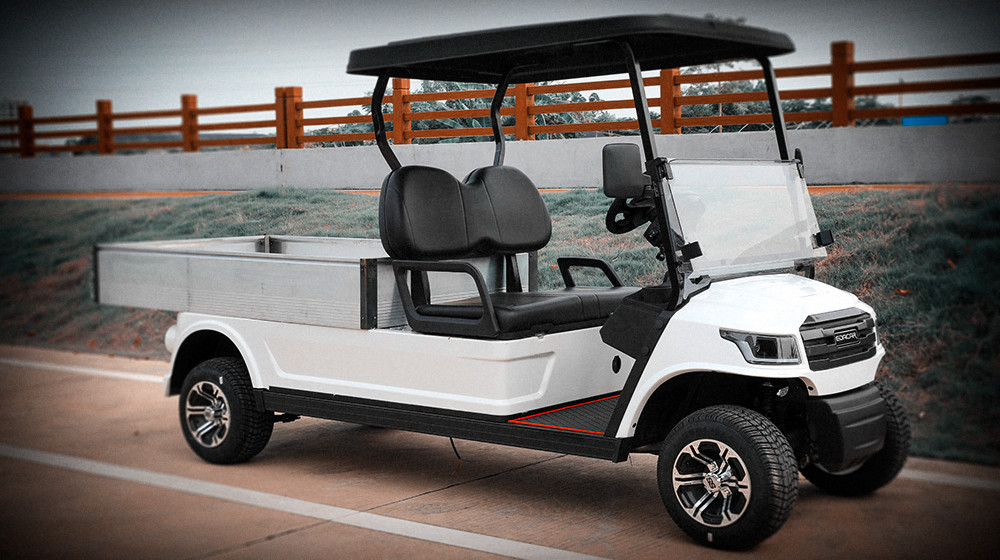
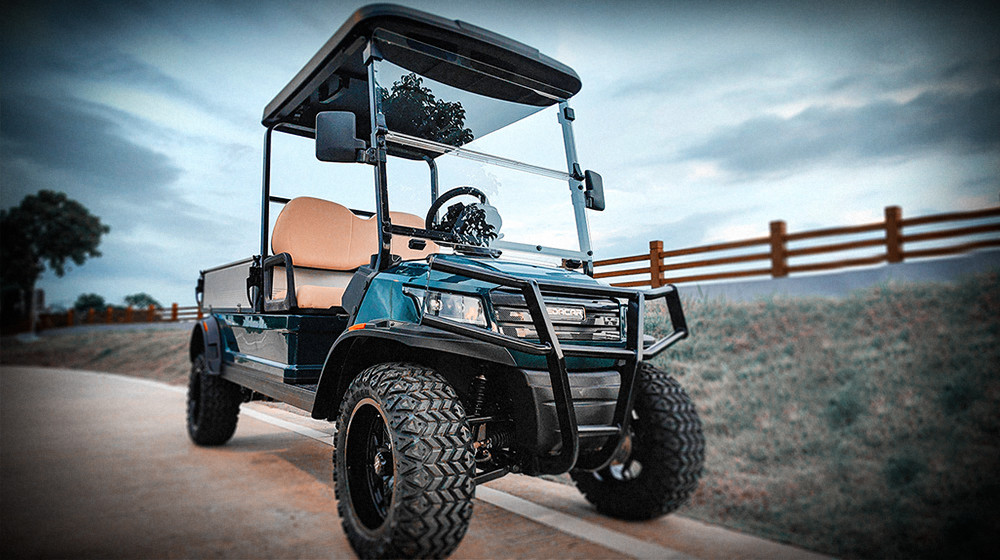
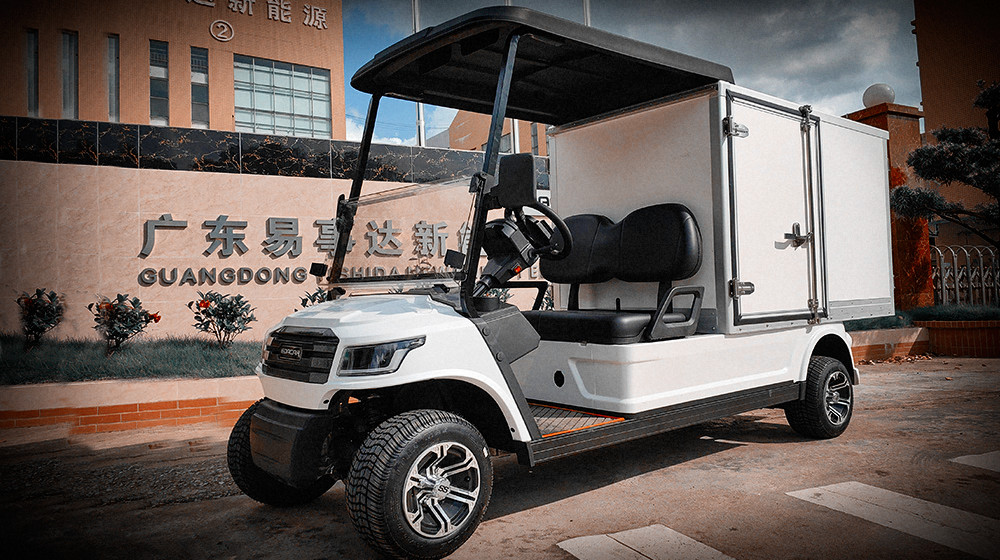
As global tourism starts bouncing back, it’s pretty clear that the demand for innovative sightseeing cars is on the rise. I read a report from Global Market Insights, and it looks like the sightseeing car market is expected to grow quite a bit — with an estimated CAGR of around 8.1% by 2026. This pretty much shows that travelers are really craving unique, memorable experiences while exploring new places.
Talking about trends, electric sightseeing cars are definitely catching on. They’re especially popular now because more people are really into sustainability and being eco-friendly when they travel. Major companies like Tesla and Nissan are jump-starting this movement with new electric models that actually make sightseeing more enjoyable. These vehicles are super quiet, environmentally friendly, and come equipped with all the latest tech — perfect for travelers who want to do good for the planet while having fun.
But, of course, it’s not all smooth sailing. There are some hurdles, like the limited charging infrastructure in popular tourist spots — which can be a real pain. Plus, electric cars tend to be pricier, and that might scare off travelers on a tighter budget. As this market keeps growing, figuring out ways to overcome these challenges will be key if electric sightseeing vehicles are really going to take off in a big way.

Emerging Trends in Car Design for 2026 Sightseeing Vehicles
As we look toward 2026, the design of sightseeing vehicles is evolving. Emerging trends focus on comfort and practicality. A significant shift is in the development of the
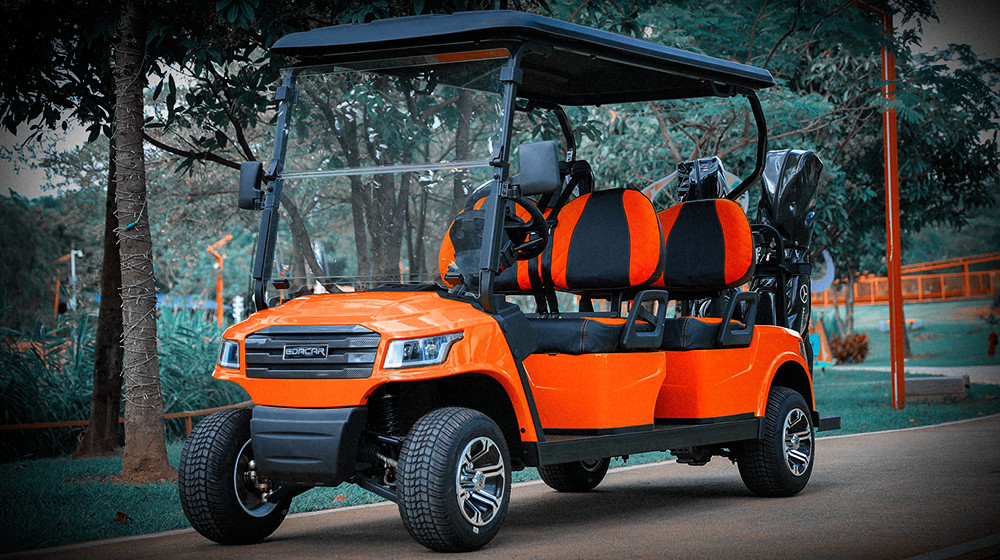
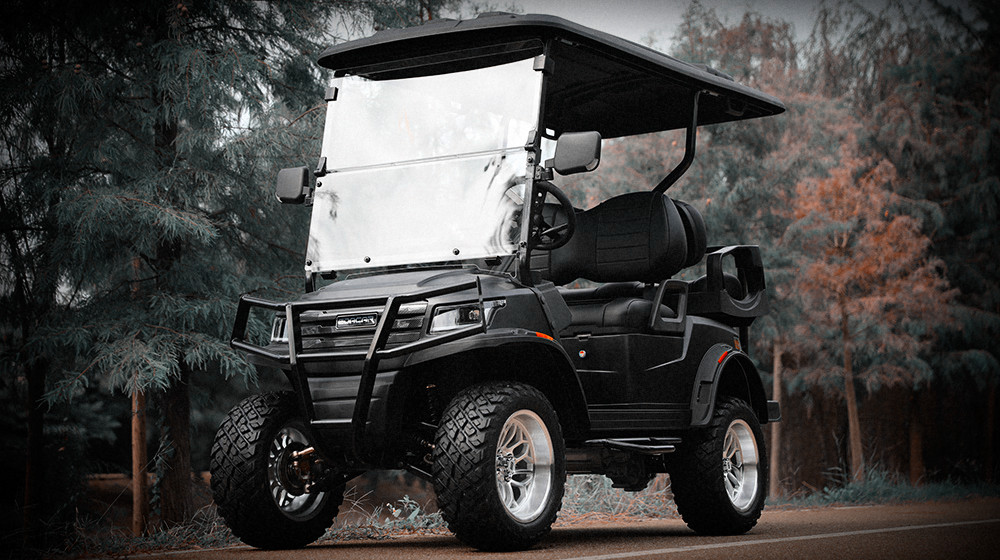
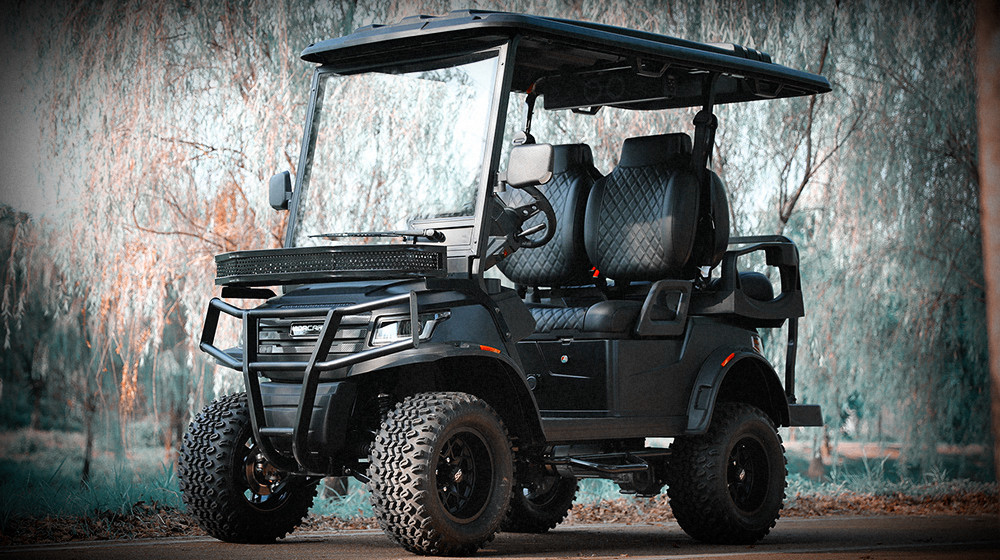
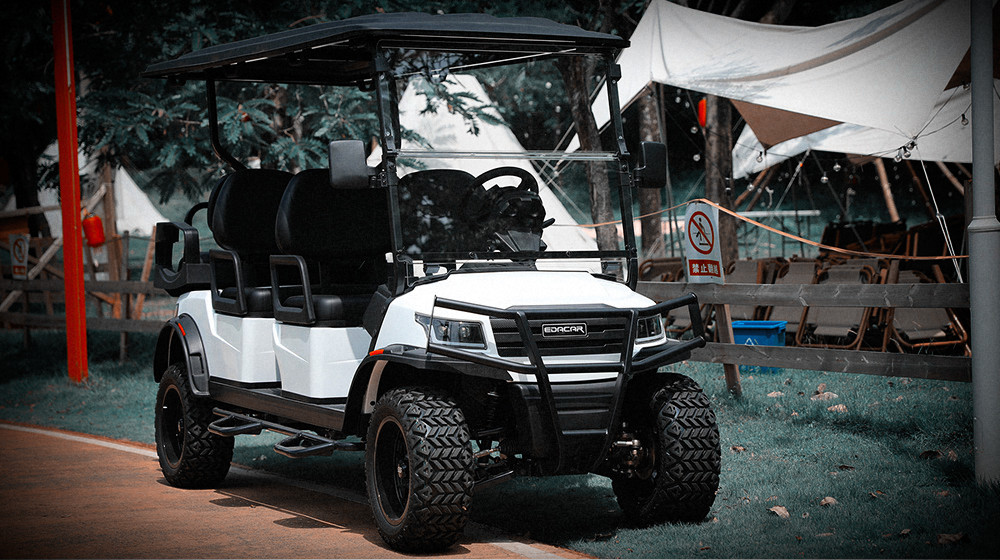
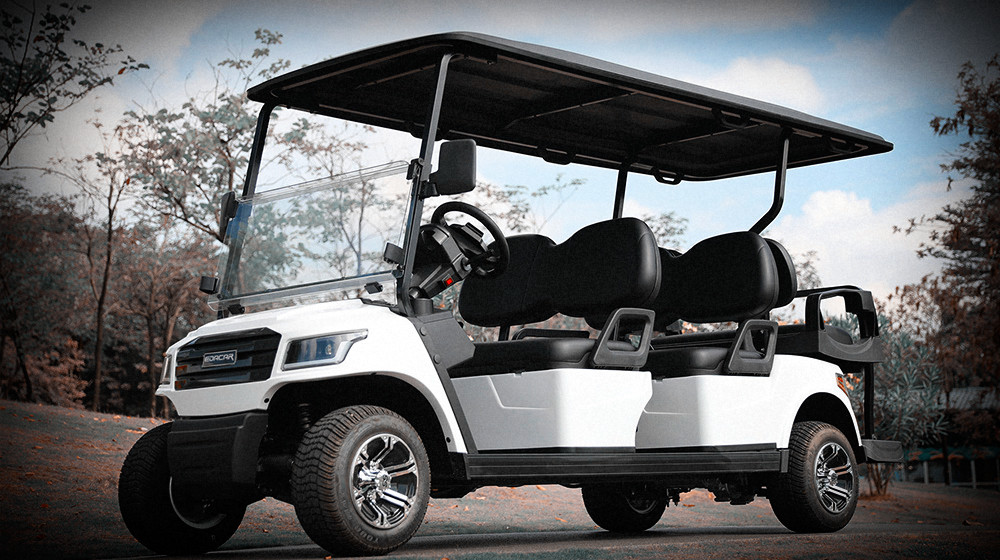
4 Seater Sightseeing Car. This vehicle prioritizes spacious interiors.
Passengers can enjoy panoramic views while seated comfortably. Enhanced viewing angles allow tourists to appreciate landscapes better.
Sustainability also plays a key role in these designs. Manufacturers are experimenting with eco-friendly materials. This includes recycled plastics and sustainable fabrics for interiors.
Technology integration is rising. Vehicles will feature smart infotainment systems. Passengers can easily access information about attractions. However, challenges exist in balancing technology with usability.
Some systems may overwhelm users or become outdated quickly.
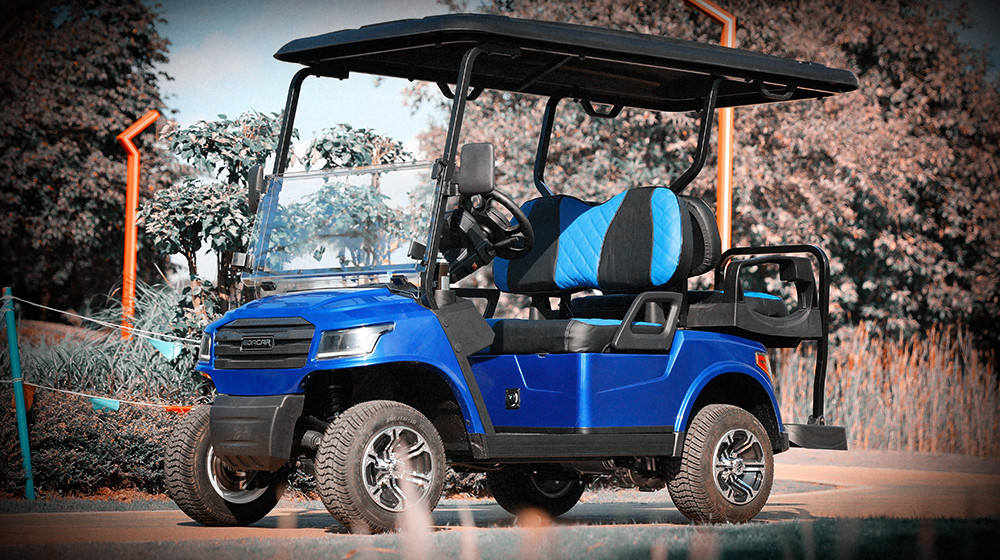
Customization options are likely to increase. Buyers may want unique colors and interior layouts. This adds personal touches to the touring experience. Yet, oversaturation in choices might confuse potential buyers.
It is a fine line between personalization and complexity. These innovations aim to enhance traveler enjoyment while addressing practical concerns.
The Role of Sustainability in 2026 Sightseeing Car Innovations
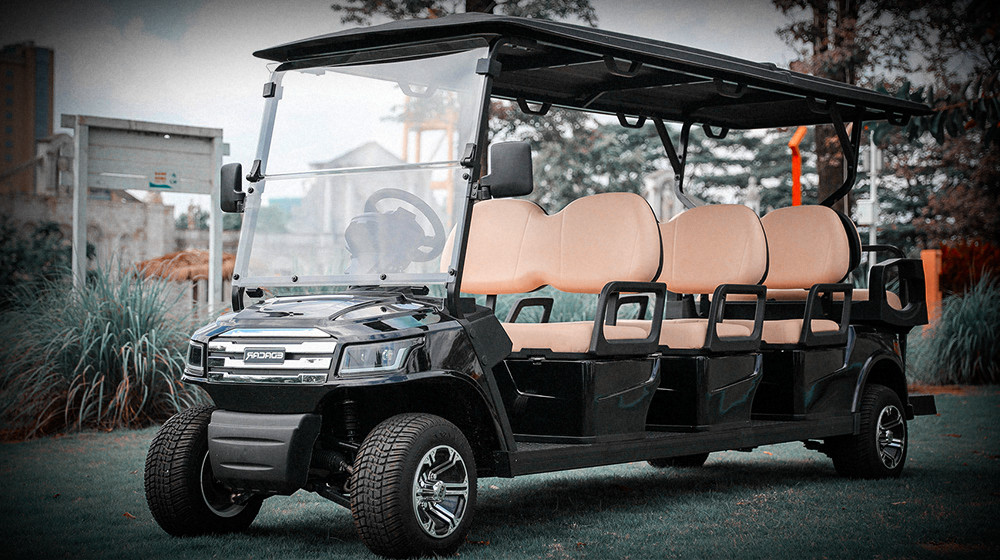
In 2026, sustainability takes center stage in the evolution of Sightseeing Golf Cars. With a growing emphasis on eco-friendly solutions, manufacturers are focusing on electric models that reduce carbon footprints. A report by the Global Automotive Alliance predicts that by 2026, electric vehicles will account for 25% of the sightseeing car market. This shift indicates a broader trend toward greener alternatives.
Research shows that consumer interest in sustainable transportation is rising. Around 70% of buyers prefer vehicles designed with environmental considerations. Innovations like solar panels and biodegradable materials are becoming more common. Yet, the challenge remains: not all providers can meet this demand. Ensuring quality while prioritizing sustainability requires careful planning and investment.
Despite advancements, the industry faces setbacks. Charging infrastructure for electric sightseeing golf cars lags in many regions. Additionally, high production costs can deter manufacturers from adopting greener technologies. Bridging these gaps is crucial for the future of sightseeing cars. Balancing sustainability and efficiency remains a key focus for industry leaders as they navigate evolving consumer expectations.
Technological Advancements Driving 2026 Car Features for Tourists
In 2026, technological advancements will significantly reshape the features of Sightseeing Cars.
Smart navigation systems will enhance tourists' experiences. These systems use real-time data to offer the best routes, avoiding traffic and optimizing time.
According to the latest industry report, nearly 72% of travelers prefer vehicles equipped with real-time updates. This shift suggests a growing reliance on technology to enhance travel convenience.
Electric and hybrid sightseeing cars will likely dominate rental services. A leading study indicates that consumers are increasingly environmentally conscious. It predicts that over 55% of tourists will seek eco-friendly transportation options by 2026.
Such cars can reduce carbon footprints and offer a quieter, more enjoyable ride. Yet, the transition poses challenges.
Charging infrastructure remains limited in many tourist areas, raising questions about practicality.
Moreover, augmented reality (AR) features will make sightseeing cars more interactive. Tourists will enjoy in-vehicle experiences that provide historical context and local highlights. Despite this innovation, the technology needs refinement.
User-friendly interfaces are crucial for providing a seamless experience. Many users report confusion with complex systems. In essence, while technological advancements drive sightseeing car evolution,
the industry must ensure accessibility for all tourists.
Consumer Preferences Shaping the 2026 Sightseeing Car Market
As we move toward 2026, the preferences of sightseeing car buyers are evolving. Consumers now value
sustainability and fuel efficiency more than ever.
Electric and hybrid vehicles are expected to dominate the market. People are looking for cars that minimize their
carbon footprint while offering a thrilling ride through picturesque landscapes.
Comfort and technology are also key factors in consumer decisions. Buyers are prioritizing spacious interiors and
advanced navigation systems. Features like panoramic sunroofs and integrated entertainment systems are becoming
standard. However, many consumers still face challenges in accessing electric vehicle charging points, which can be
a barrier to adoption.
Safety remains a top concern. Features such as adaptive cruise control and lane-keeping assist are
becoming essential in new models. In this landscape, manufacturers must adapt quickly to meet these diverse consumer
needs. The market is shifting, and brands must remain agile to maintain relevance. This transformation reflects a
broader trend towards personalization and innovative design in the car industry.
Popular Destinations Influencing Car Design Trends in 2026
Travel trends are shifting our perspective on car design. In 2026, the demand for eco-friendly and tech-savvy vehicles will rise. Popular travel destinations, like Italy and Japan, inspire innovative designs. These countries have a unique blend of rich history and cutting-edge technology, which reflects in their automotive preferences. Sightseeing Electric Cars are becoming the go-to option for travelers seeking sustainability without sacrificing style.
Reports indicate that 57% of global travelers prioritize eco-conscious options during their trips. They expect vehicles that align with their environmentally friendly values. The Italian countryside, with its picturesque landscapes, has influenced the move toward compact, agile cars. This shift is not just aesthetic; it's about practicality in narrow streets and urban settings. Meanwhile, Japanese cities are showcasing high-tech features in vehicles, like advanced navigation systems that optimize sightseeing routes.
Electric vehicle adoption is projected to increase by 35% globally by 2026. However, challenges remain. Charging infrastructure needs improvement in many regions. Not all destinations will be fully equipped for Sightseeing Electric Cars. This discrepancy may hinder the full potential of eco-friendly tourism. As we progress, these wrinkles in the industry must be addressed to ensure seamless travel experiences for all.
Safety and Comfort Features Essential for 2026 Sightseeing Cars
As we look ahead to 2026, the landscape of sightseeing cars is rapidly evolving. Safety and comfort are taking center stage. Buyers want vehicles that not only look good but prioritize the well-being of passengers. This trend is shaping how manufacturers design their cars. Enhanced safety features such as advanced braking systems and collision avoidance are becoming standard. These innovations reflect a growing concern for passenger safety.
Comfort is also crucial for an enjoyable ride. Spacious interiors and ergonomic seating are increasingly popular. Passengers long for vehicles that provide a luxurious experience, especially on long journeys. Noise reduction technologies are gaining traction as well. Travelers want to escape the hustle of the outside world. However, some designs might overlook smaller details, like the usability of controls or space optimization. Adjusting to these preferences could be vital for future success in the market.
In this evolving landscape, manufacturers face challenges. Balancing innovation while keeping costs manageable is no small feat. As competition intensifies, the need for reliable vehicles becomes more pronounced. Potential buyers will be on the lookout for cars that not only meet their expectations but exceed them in safety and comfort. Reflection on these trends may offer critical insights for industry leaders.
2026 Top Sightseeing Car Trends for Global Buyers
Impact of Autonomous Driving Technology on 2026 Tourist Vehicles
The advent of autonomous driving technology is transforming tourist vehicles for 2026. This innovation promises to redefine the travel experience. Passengers can expect enhanced safety, reduced stress, and increased accessibility. With self-driving cars, tourists can enjoy scenic routes without the need for constant attention to the road. This shift opens opportunities for multi-tasking, like planning itineraries or enjoying onboard entertainment.
However, the transition to autonomy isn’t without challenges. Many travelers cling to traditional driving experiences, valuing the connection to the road. Concerns about safety and liability remain prevalent. Questions arise about how these vehicles will handle unpredictable situations. The integration of artificial intelligence must ensure that autonomous systems respond to emergencies effectively.
As we move closer to 2026, the balance between technology and personal experience becomes crucial. The lack of human intervention may lead to a monotonous experience for some travelers. Yet, the potential benefits such as reduced carbon footprints or more efficient travel routes must not be overlooked. Ensuring that travelers feel comfortable and in control, even in autonomous settings, will be an ongoing discussion in the years to come.
2026 Top Sightseeing Car Trends for Global Buyers - Impact of Autonomous Driving Technology on 2026 Tourist Vehicles
| Trend |
Description |
Impact of Autonomous Technology |
Expected Growth (%) |
| Eco-Friendly Vehicles |
Increase in hybrid and electric tourist vehicles. |
Enabled by autonomous charging systems and energy management. |
25% |
| Smart Fleet Management |
Integration of AI for better vehicle allocation and routing. |
Autonomous data analytics for optimizing fleet performance. |
30% |
| Connected Vehicles |
Increased use of internet-connected vehicles for enhanced experience. |
Autonomous updates and diagnostics for seamless operation. |
20% |
| User-Centric Designs |
Focus on passenger comfort and accessibility features. |
Personalized autonomous user interfaces based on preference. |
15% |
| Safety Enhancements |
Advanced safety features, including collision detection. |
Autonomous emergency braking and navigation assistance. |
40% |
FAQS
: The trends focus on comfort, practicality, and sustainability. Spacious interiors for panoramic views are key.
Sustainability is crucial for modern travelers. Eco-friendly materials are becoming popular among manufacturers.
Smart infotainment systems will provide information on attractions. However, too much tech can overwhelm users.
Yes, buyers seek unique colors and layouts. However, too many choices may confuse potential buyers.
Popular destinations inspire designs that blend history and technology. They reflect the preferences of eco-conscious travelers.
Charging infrastructure still needs improvement. Not all regions support electric vehicle travel fully.
Enhanced safety features like collision avoidance are becoming standard. Passenger safety concerns are driving this trend.
Comfort is essential for enjoyable rides. Spacious interiors and noise reduction technologies are increasingly favored.
Smaller details like usability of controls or space optimization may be neglected, impacting the overall experience.
Managing costs while introducing new features is challenging. Competition demands higher reliability and safety in vehicles.
Conclusion
The 2026 landscape for sightseeing cars is set to be shaped by several emerging trends that prioritize innovation and sustainability. As the demand for eco-friendly vehicles rises, manufacturers are focusing on sustainable materials and energy-efficient designs that cater to environmentally conscious tourists. Advancement in technology will also play a crucial role, with features such as smart navigation and enhanced connectivity being tailored to meet consumer preferences.
In addition, popular tourist destinations will influence car design, as manufacturers seek to create vehicles that resonate with local cultures and enhance the sightseeing experience. Safety and comfort features remain essential, ensuring that travelers enjoy a secure and pleasant journey. Furthermore, the integration of autonomous driving technology promises to redefine the way tourists explore new locations, making the 2026 sightseeing car market an exciting arena for innovation and consumer engagement.

 Vehicles