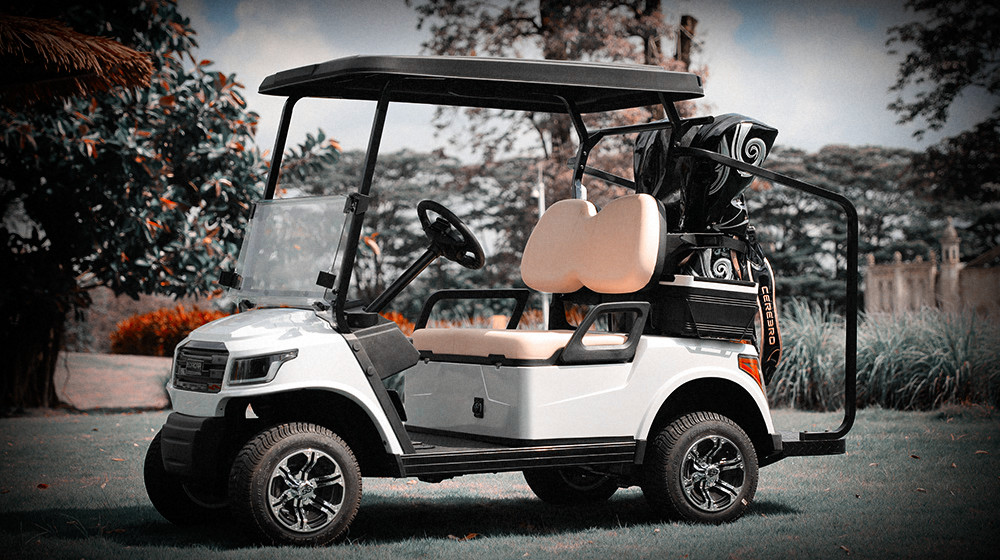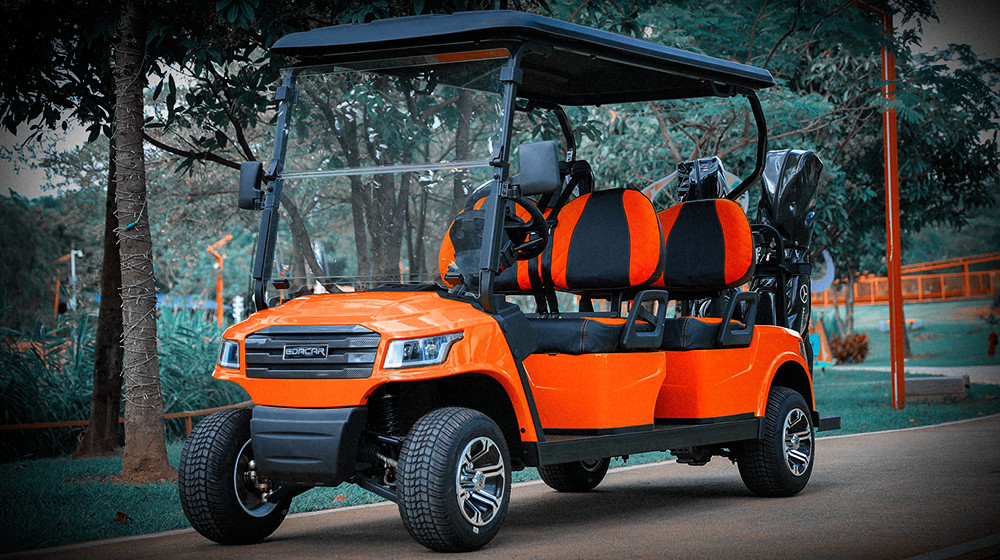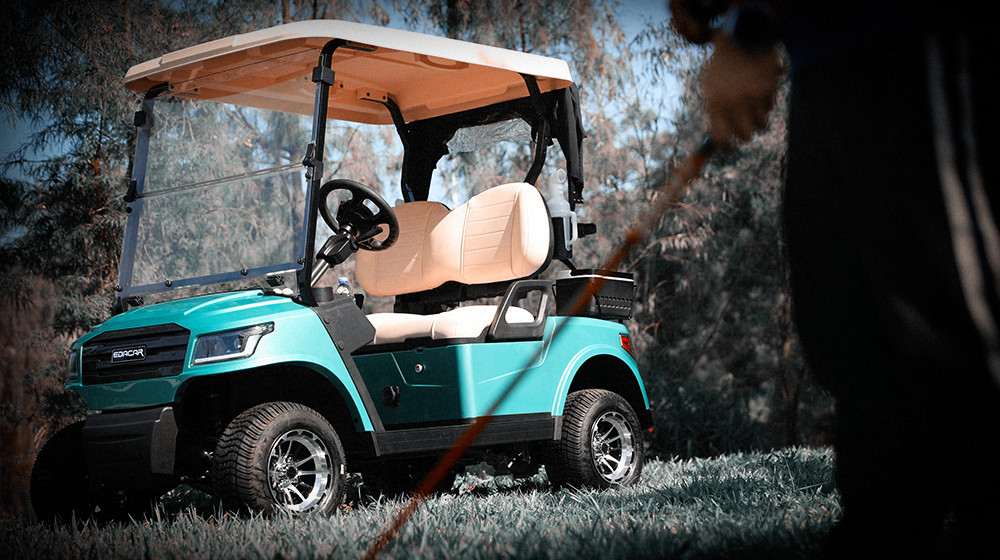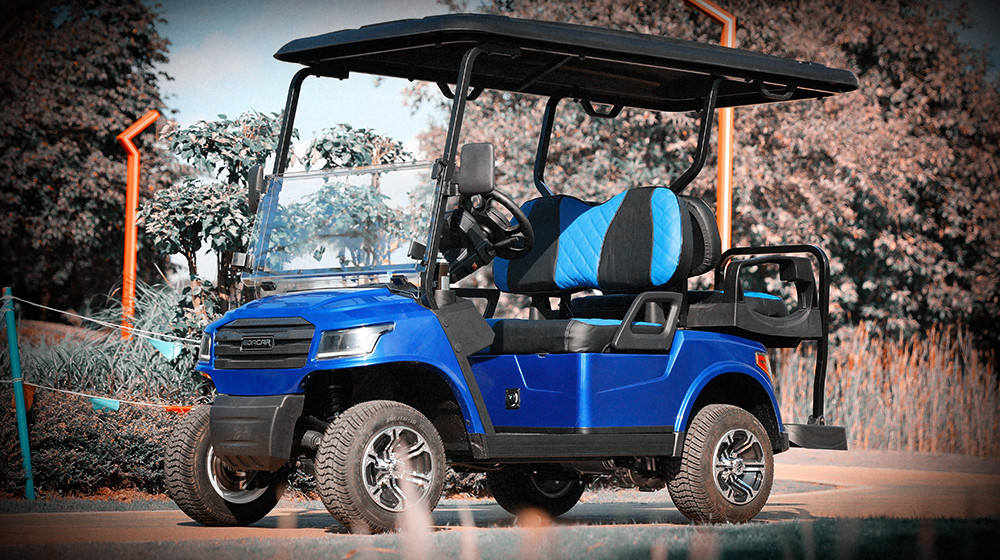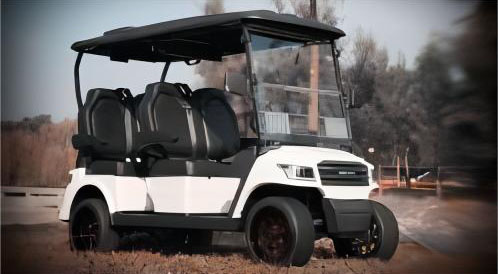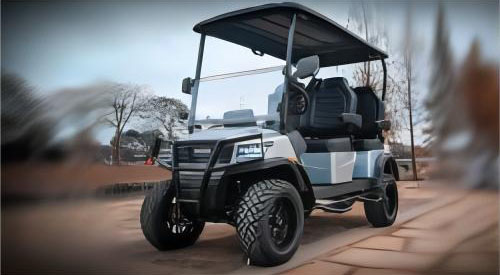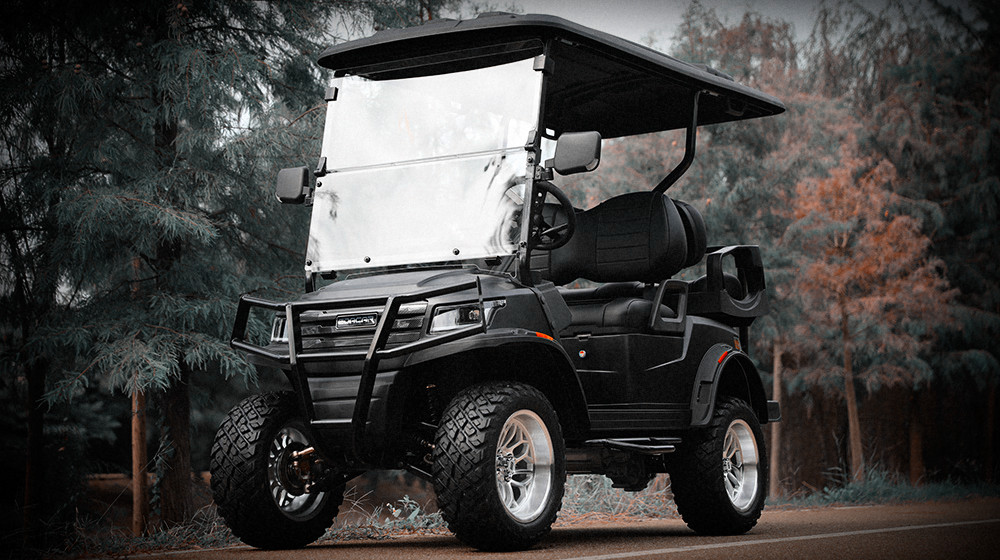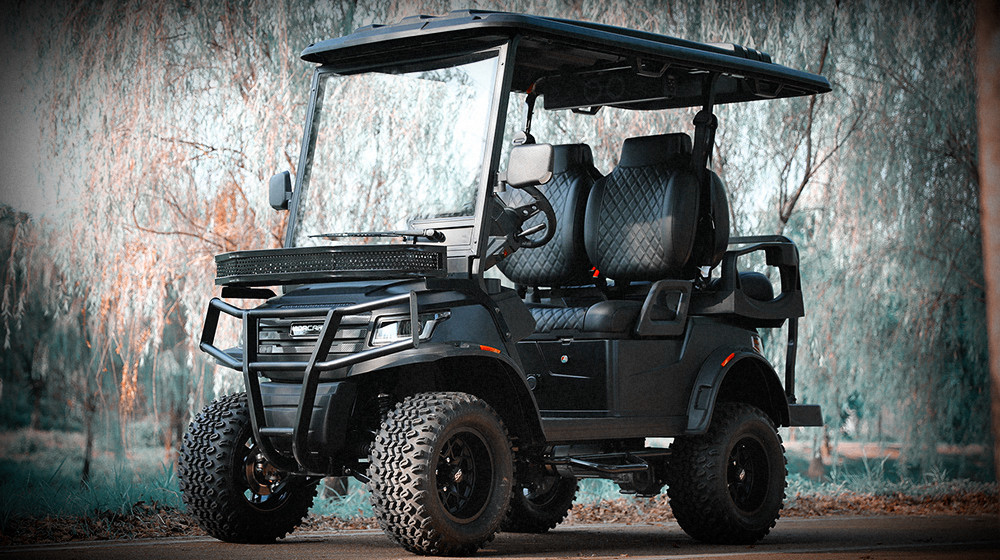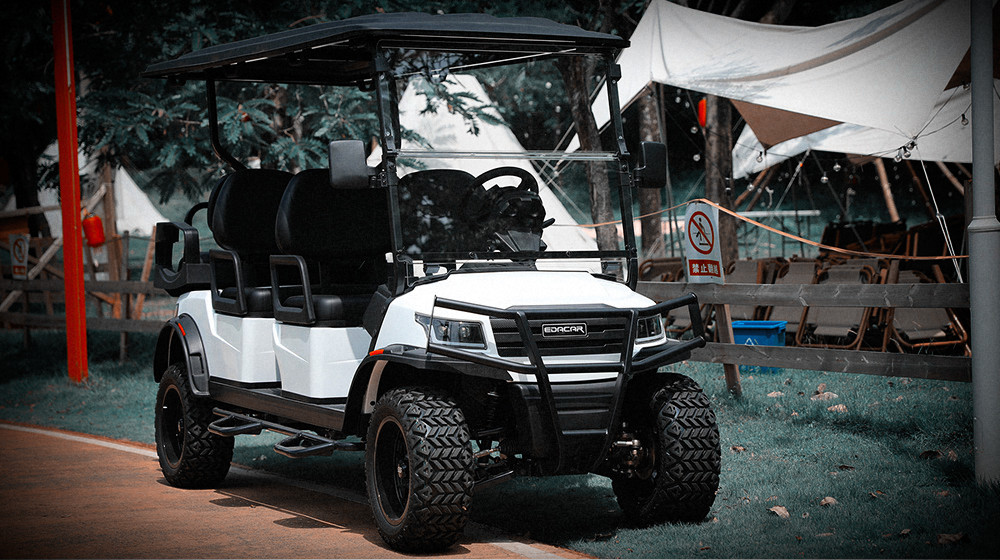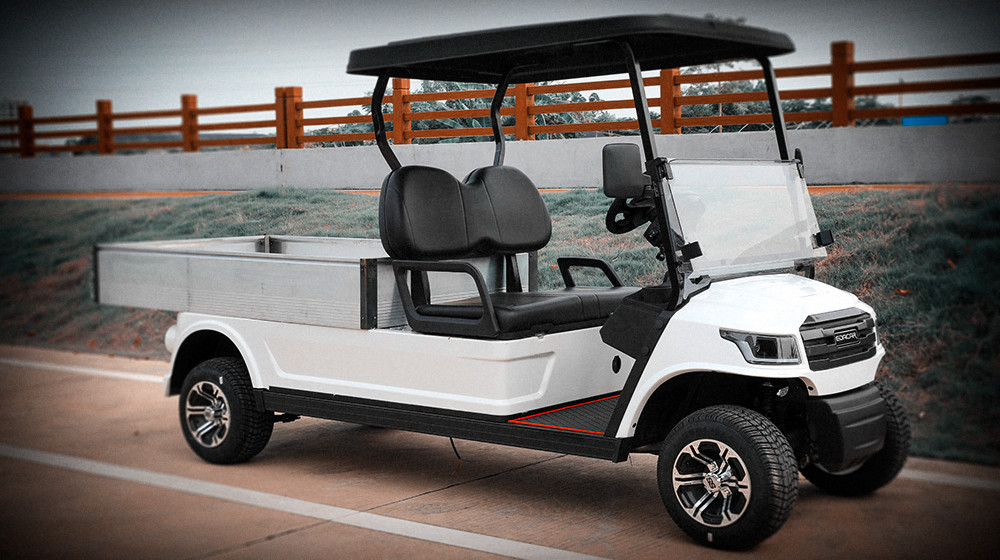
F2 MODEL
· 4KW AC MOTOR WITH EM BRAKE
· FOUR WHEEL DISC BRAKE
· LITHIUM POWERED

 Vehicles
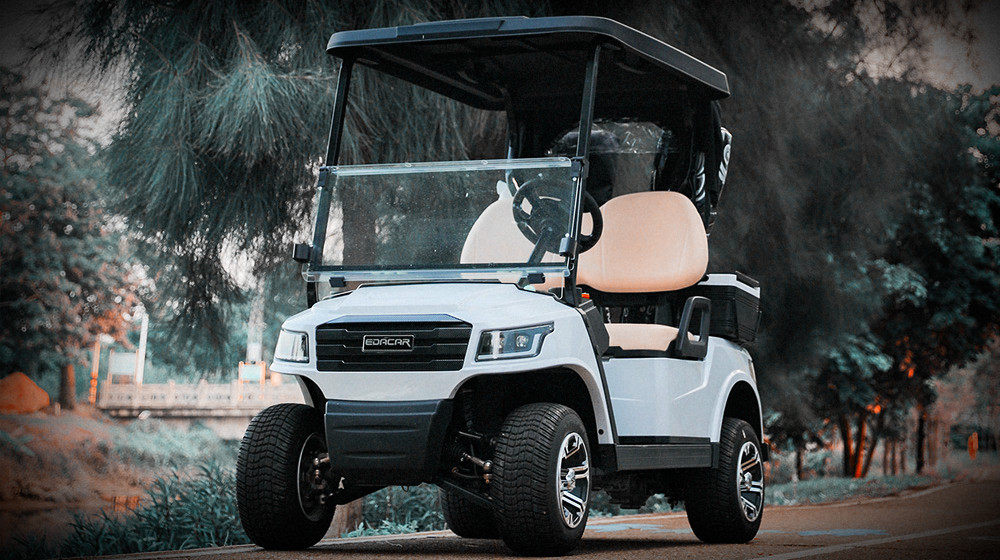
Experience the greens in a whole new way
Drive like a pro with our carts, Leave the walking to others.
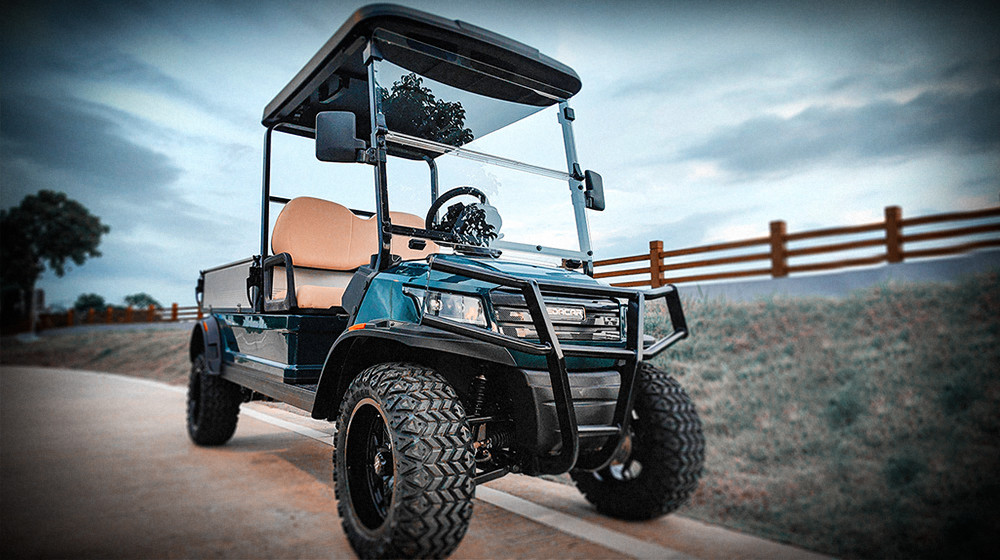
When the good road ends, the great adventure begins.
We get you where you need to go, without a worry
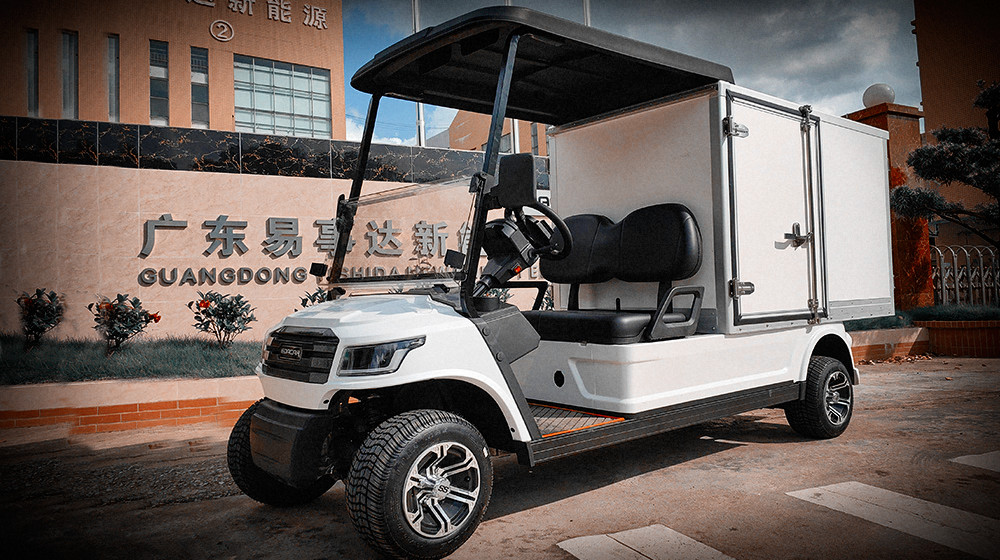
Delivery you can count on. One Charge Can Go A Long Way.
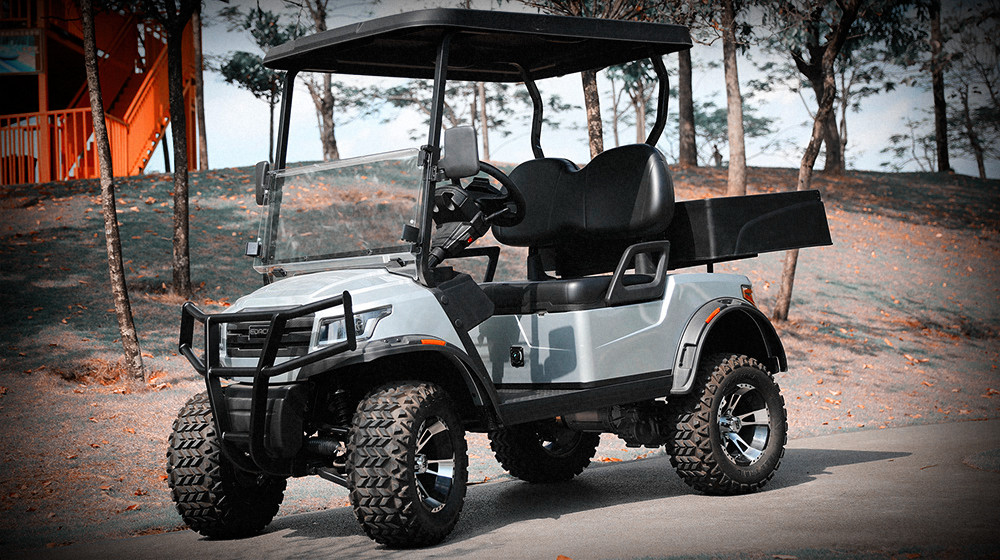
Golf Cart Customization: Golf carts have evolved into versatile vehicles. These vehicles now cater to daily activities beyond just golfing. Through the art of customization, one can truly express individuality. More than aesthetics, customization ensures the achievement of optimized performance. For those seeking enhancements, options abound: from paint colors to lift kits, and even lithium battery upgrades. We provide an extensive range of components and add-ons. With their offerings, designing a personalized art becomes an exciting endeavor. As you navigate this world of customization, rest assured, we're here to guide you every step of the way.
Dealers
Support
Press
Contact
Picking out the best Utility Vehicle for 2026 isn't exactly a walk in the park. There are tons of factors to consider, and let’s be honest, the market’s buzzing — sales are expected to hit around 4 million units by the end of the year, according to Auto Industry Insights. Industry pros keep telling us that features, reliability, and getting your money’s worth are the top priorities right now.
John Thompson, a pretty knowledgeable automotive analyst at Global Auto Insights, puts it simply: "Today’s car shoppers want Utility Vehicles that mix practicality with some serious tech." If you're thinking about jumping into the market, understanding this trend is pretty important. With everyone looking for efficiency and good performance, it's best to check out models that check those boxes. One that stands out is the Edacar Utility Vehicle – it promises a pretty cool combo of innovation and dependability.
Now, yeah, with so many options out there, it can feel super overwhelming, but doing a little homework helps a lot. And keep in mind, the market’s always changing, so you might need to re-think your choices down the road. Sometimes, new tech or updates bring a bit of uncertainty, and it’s totally normal to second-guess past decisions. At the end of the day, focusing on what really matters to you makes navigating this whole Utility Vehicle scene a lot easier.

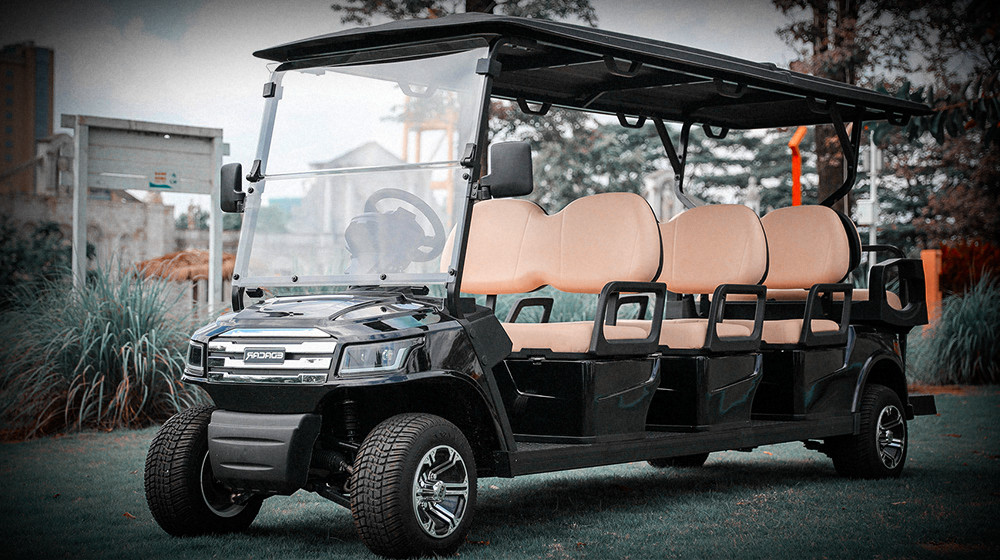
When considering a utility vehicle in 2026, identifying your specific needs is crucial. According to industry reports, nearly 70% of buyers prioritize cargo space and passenger capacity. A 6 Seater Utility Vehicle can provide the balance many families seek. It’s essential to think about how many passengers you will regularly transport. Is it just the family, or do you often have friends along for the ride?
Another key factor is the type of terrain you will navigate. Data shows that 55% of utility vehicle owners require off-road capabilities. Are you planning to go on outdoor adventures or do you need something for urban commutes? This distinction significantly impacts the type of vehicle you should consider. Also, assess your daily driving habits. Many utility vehicles offer varying fuel efficiencies, and understanding your mileage needs can guide your decision.
Lastly, don't overlook personal preferences. Comfort features, technology integrations, and safety ratings should be evaluated carefully. A report by the Automotive Safety Council noted that 80% of consumers feel safer with advanced driver-assist technologies. While features can enhance driving experience, it’s important to balance desires with budget constraints. Reflect on what matters most to you, and remember that the ideal utility vehicle is one that aligns with your lifestyle.
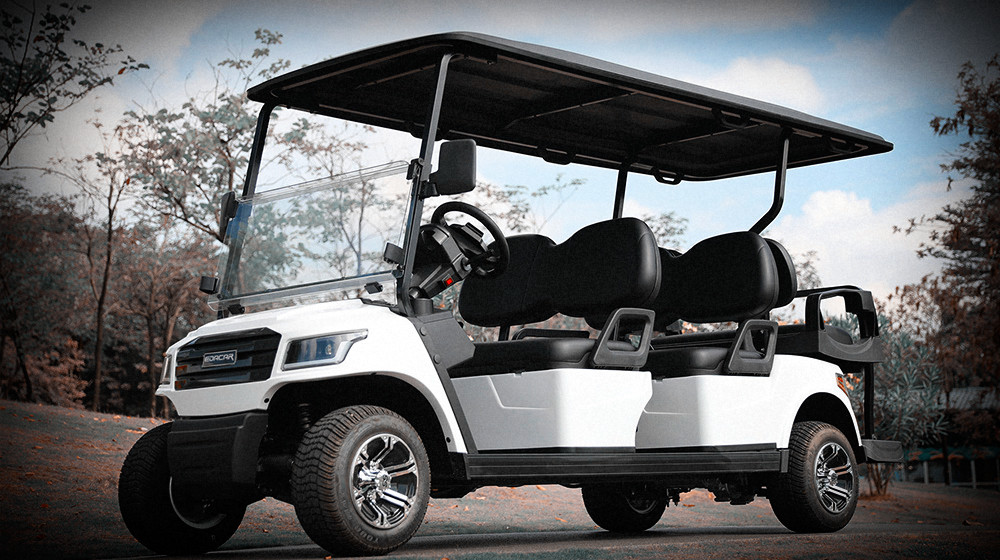
Golfing has long been a sport where comfort and convenience dictate the experience on the course. The GOLF CART SERIES-E4 exemplifies this ethos, offering golfers the ultimate solutions to enhance their day on the greens. With its sophisticated design, the SERIES-E4 provides an effortless blend of style and functionality. Whether you're a seasoned pro or just starting out, this golf cart caters to your needs, ensuring that every round is enjoyable and stress-free.
What sets the GOLF CART SERIES-E4 apart is its emphasis on comfort. Featuring ergonomic seating and adjustable controls, it allows for easy maneuverability without sacrificing relaxation. The spacious storage compartments are perfect for keeping your gear organized, while the smooth ride minimizes fatigue, enabling you to focus on your game. Additionally, with advanced technology integrated into its design, distance and speed become intuitive, allowing you to navigate the course with ease.
Moreover, the convenience of the cart means that you can transition seamlessly between holes. Enjoying a day on the course no longer means enduring the physical strain often associated with carrying clubs or walking long distances. The GOLF CART SERIES-E4 is engineered for a modern golfing experience, merging innovative features with unparalleled comfort. Embrace a new level of golfing joy, where the only thing you have to concentrate on is lowering your score.
: Identify your specific needs, including passenger capacity and cargo space. Think about daily driving habits.
Consider if you only transport family or if friends join regularly. A 6-seater might be ideal for families.
Assess if you need off-road capabilities or primarily drive in urban areas. This choice impacts your vehicle type.
Understand your mileage needs. Some utility vehicles offer better fuel efficiency than others. Make a choice that fits your habits.
Evaluate technology integrations, safety ratings, and driver-assist technologies. Balance these with your budget constraints.
Utility vehicles include pickup trucks, SUVs, hybrids, and crossovers. Each type has distinct advantages and drawbacks.
Pickup trucks excel in cargo but usually lack passenger space. Consider your family's needs before choosing one.
Hybrids offer performance and eco-friendly options. However, they can have a higher upfront cost compared to standard models.
While crossovers provide comfort, they often have limited off-road capability. Assess if that matters for your driving needs.
Reflect on what features matter most to you. The ideal vehicle balances needs and personal preferences.
When choosing the best utility vehicle in 2026, it's crucial to first identify your specific needs and preferences. This includes understanding the various types of utility vehicles available, each tailored for different tasks and user requirements. Key performance features and specifications, such as engine power, cargo capacity, and fuel efficiency, should be carefully evaluated to ensure they align with your intended use.
Safety ratings and integrated technology are also vital factors to consider, as they contribute significantly to overall driving experience and protection. Additionally, exploring the total cost of ownership, including maintenance and financing options, will help in making a financially feasible decision. Researching brand reputation and customer reviews can provide valuable insights into reliability and satisfaction. Finally, taking the time to test drive and compare different models will facilitate the selection of a utility vehicle that best suits your lifestyle and preferences.