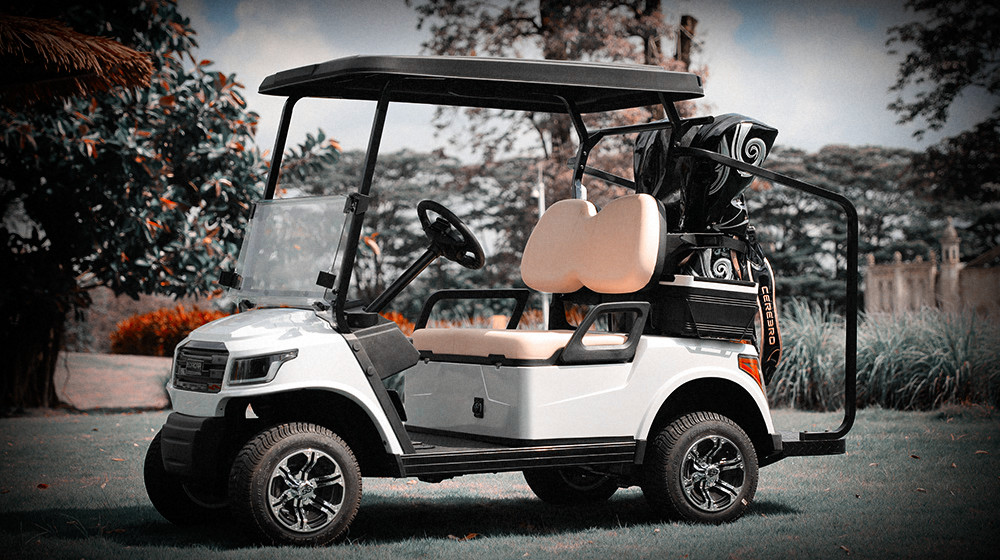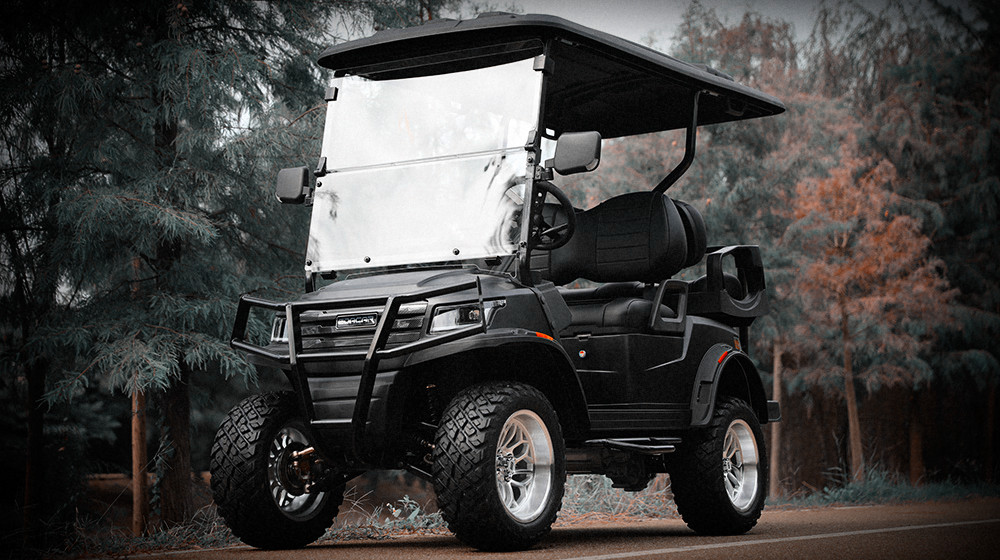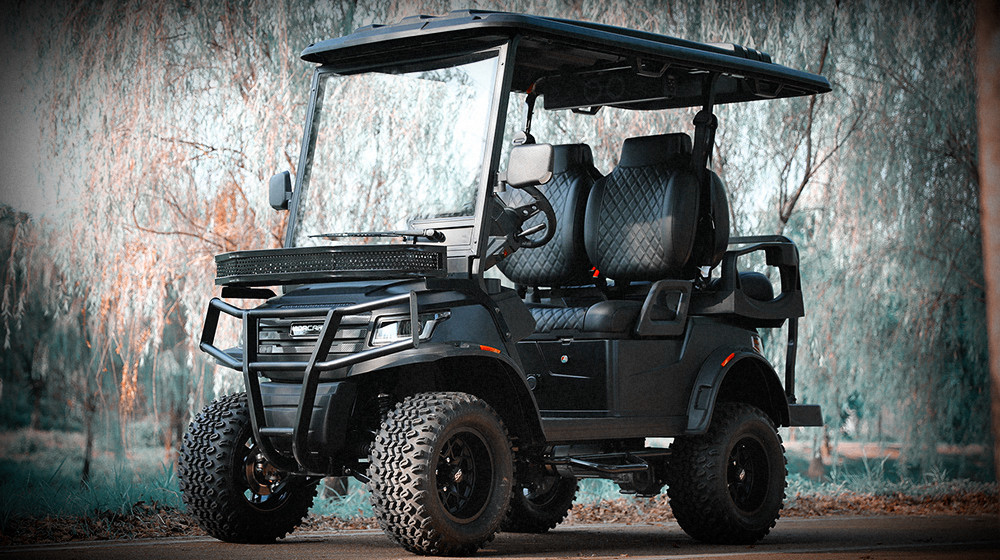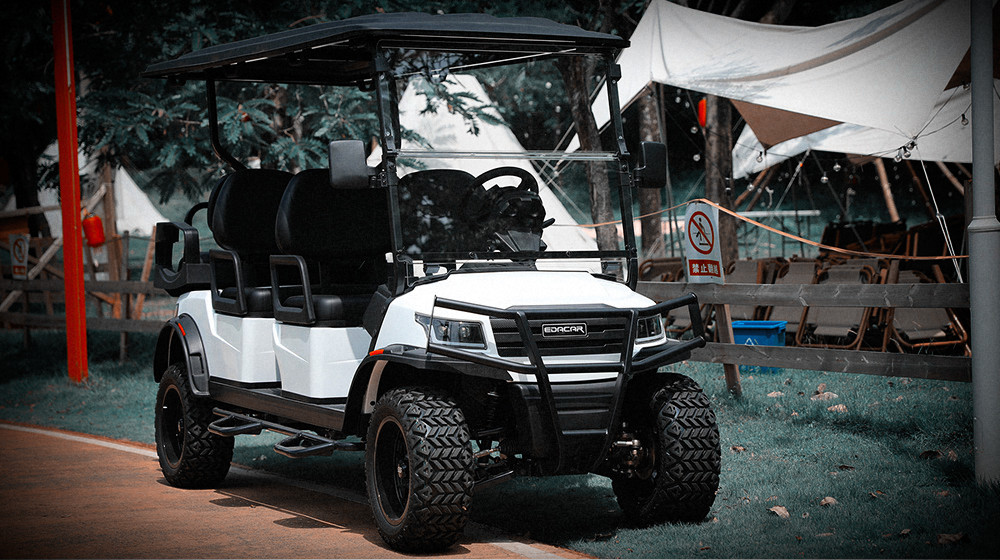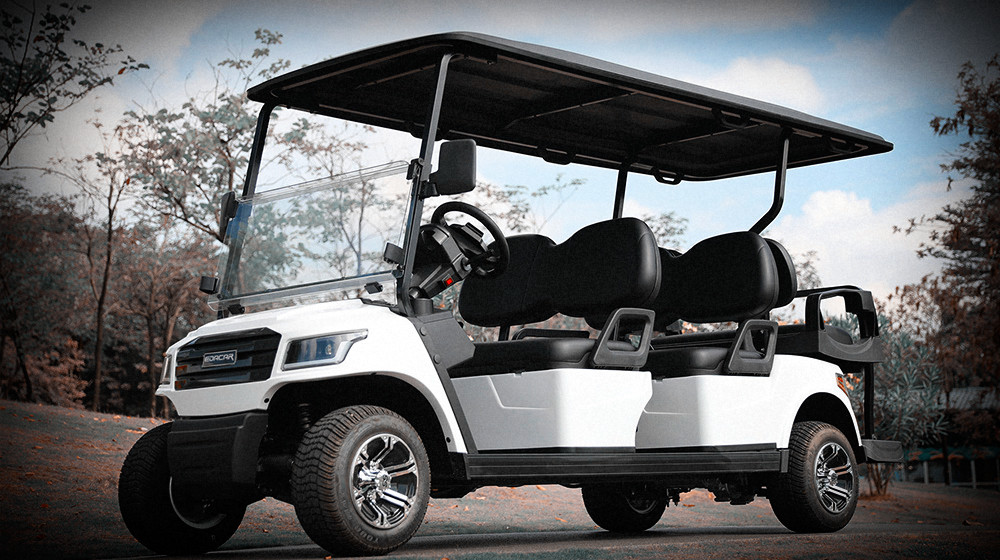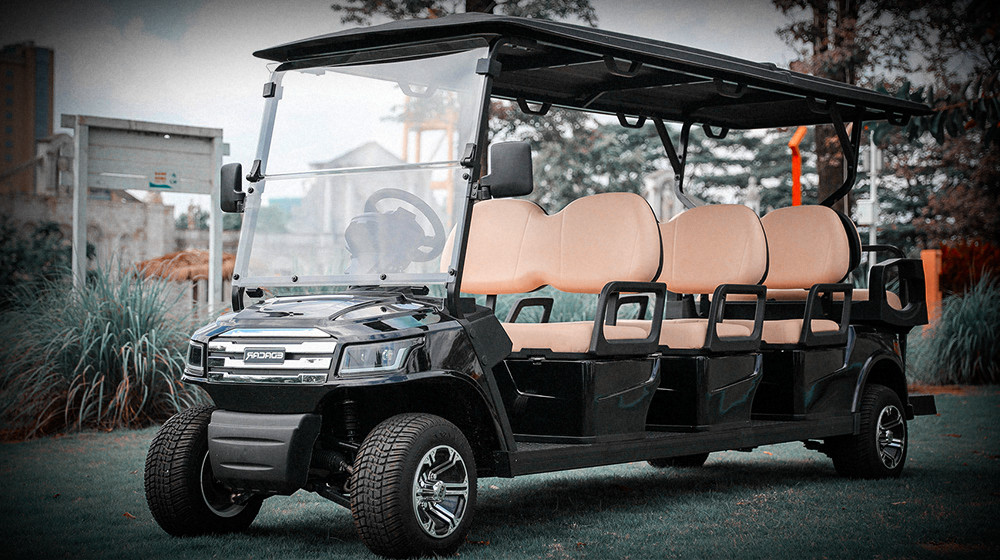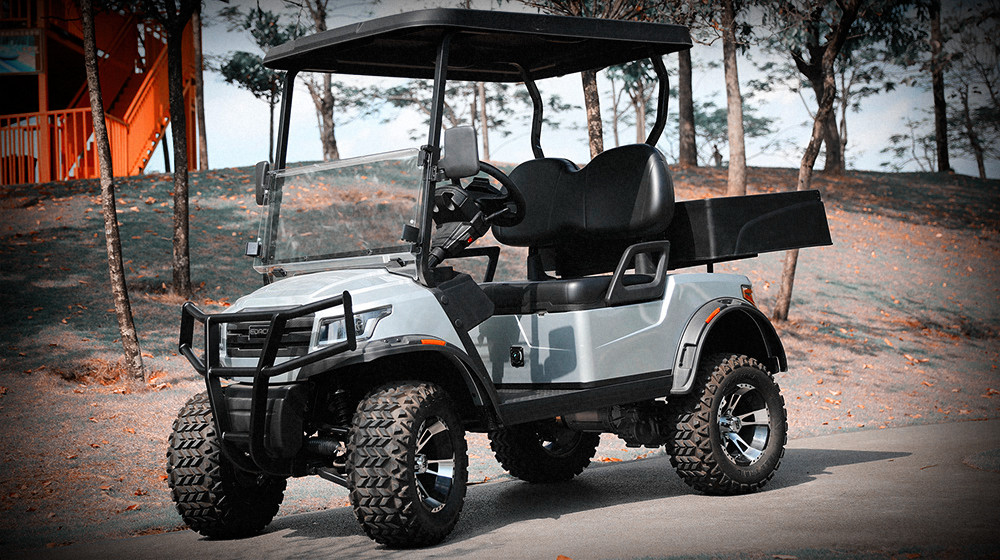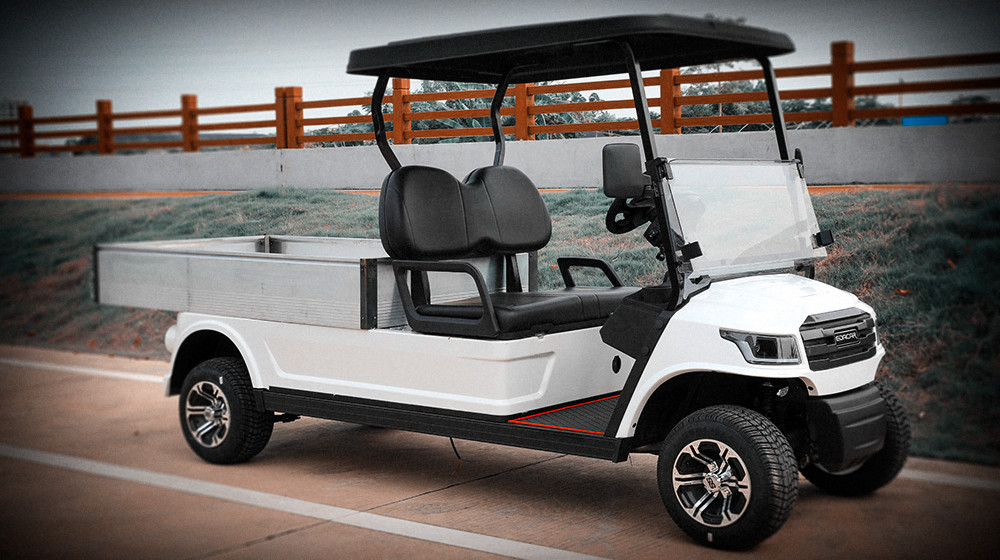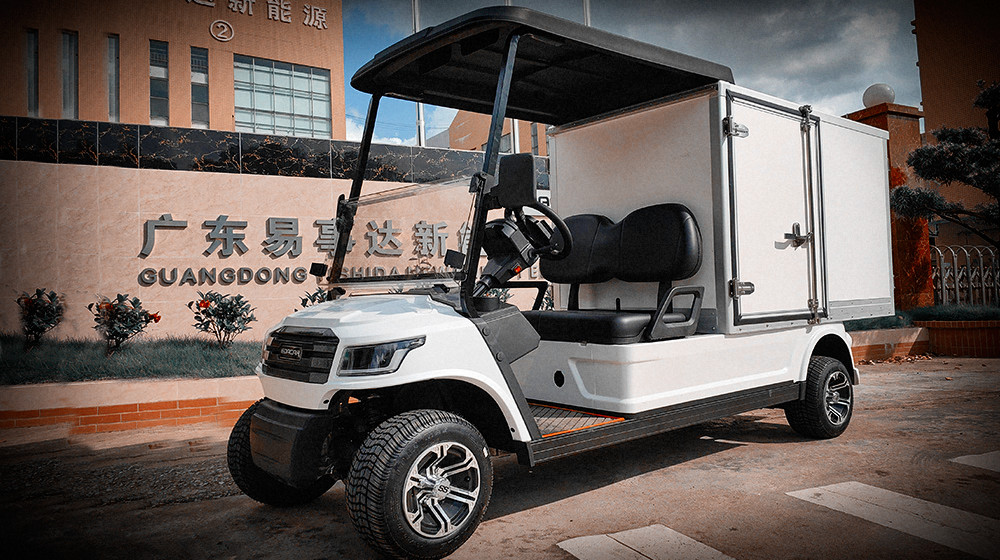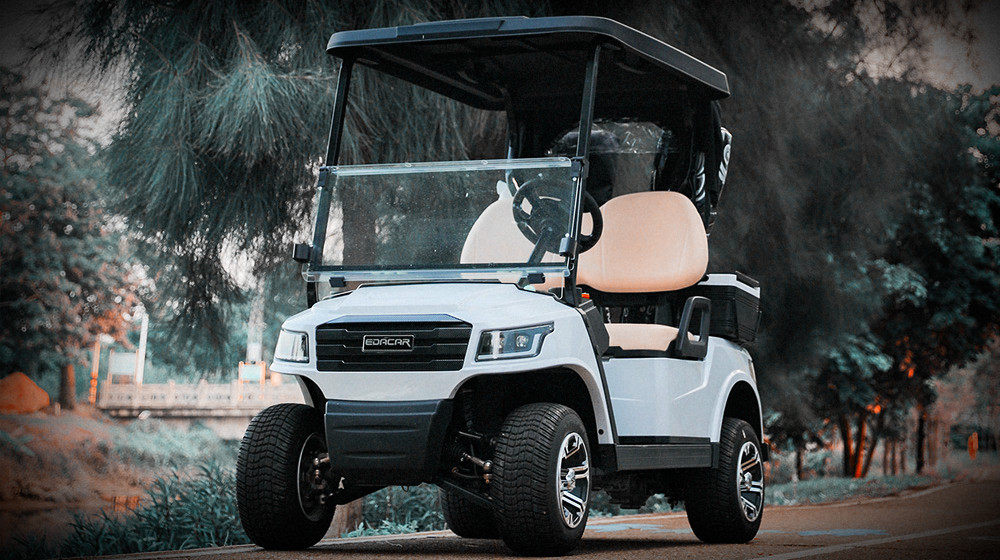
F2 MODEL
· 4KW AC MOTOR WITH EM BRAKE
· FOUR WHEEL DISC BRAKE
· LITHIUM POWERED

Vehicles
Experience the greens in a whole new way
Drive like a pro with our carts, Leave the walking to others.
When the good road ends, the great adventure begins.
We get you where you need to go, without a worry
Delivery you can count on. One Charge Can Go A Long Way.
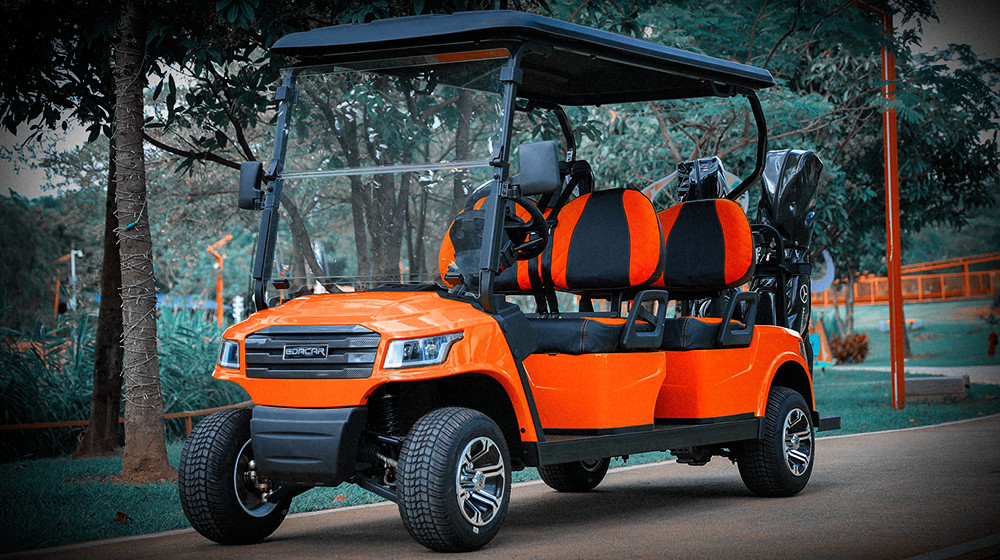
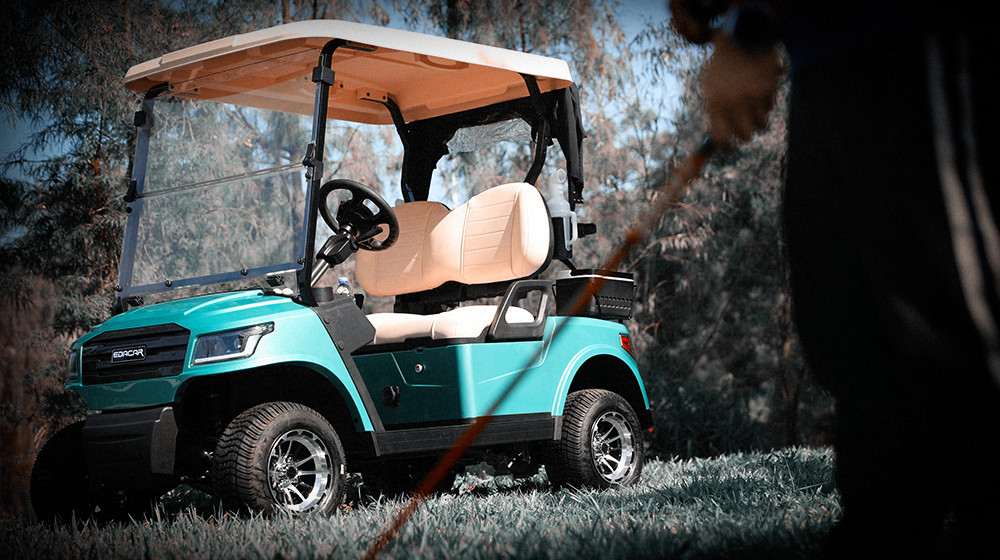
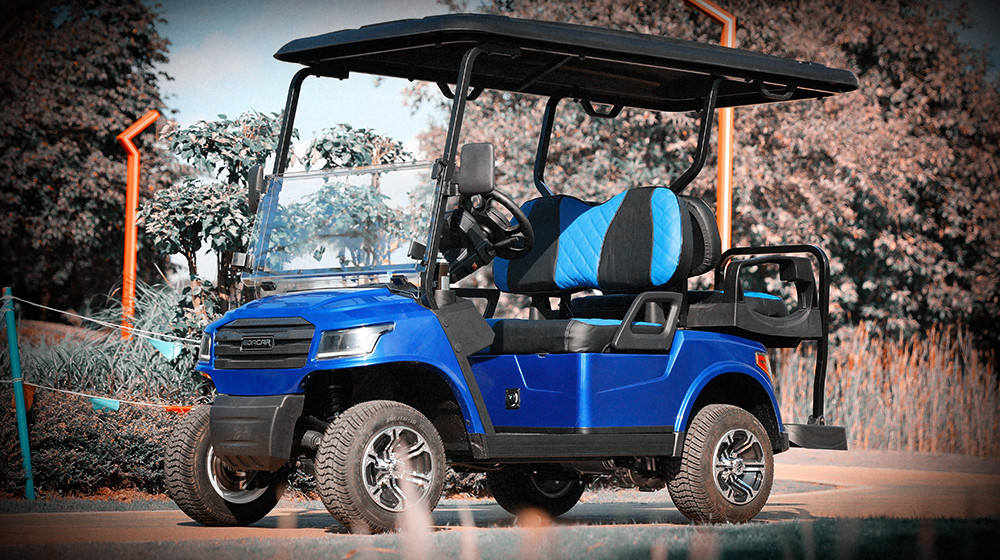
Golf Cart Customization: Golf carts have evolved into versatile vehicles. These vehicles now cater to daily activities beyond just golfing. Through the art of customization, one can truly express individuality. More than aesthetics, customization ensures the achievement of optimized performance. For those seeking enhancements, options abound: from paint colors to lift kits, and even lithium battery upgrades. We provide an extensive range of components and add-ons. With their offerings, designing a personalized art becomes an exciting endeavor. As you navigate this world of customization, rest assured, we're here to guide you every step of the way.
Dealers
Support
Press
Contact
In the ever-changing world of tech, Li-ion batteries are pretty much the backbone when it comes to powering our gadgets. I came across something Dr. Emily Chen, a top expert in battery tech at Power Solutions Inc., mentioned — she said, "The future of portable energy really depends on how efficient Li-ion batteries can get." It’s a little reminder of just how important these batteries are in our daily routines.
If you’re like me, trying to figure out the best battery option can get kind of confusing. There are so many choices out there, and honestly, not all Li-ion batteries are the same. Things like capacity, how many times they can be recharged, and safety features are super important to consider. Sometimes, with all these new advancements popping up all the time, it can feel a bit overwhelming.
And honestly, many people tend to skip some key details when buying batteries. Sure, the price tag and brand reputation matter, but it’s worth digging a little deeper. Looking at product reviews or getting advice from experts can really help you make smarter choices. Keep these things in mind, and you’ll be much more likely to pick a Li-ion battery that’s reliable and makes you happy with your purchase.
Lithium-ion batteries are transforming how we power devices. Understanding their basics can help consumers make informed choices. These batteries provide high energy density, long cycle life, and low self-discharge rates. Reports estimate that the lithium-ion battery market will reach USD 129 billion by 2027, reflecting their growing significance.
One key benefit of lithium-ion batteries is their efficiency. Industry studies show that they can offer up to 90% charge efficiency. This contrasts with lead-acid batteries, which can only achieve about 70%. For applications like electric vehicles or Battery Golf Cart Battery use, this efficiency translates to longer operational times and reduced costs in the long run. However, users should be aware of the intricacies of battery management systems to prevent issues such as thermal runaway.
Lithium-ion technology does come with environmental concerns. Recycling remains a challenge, with only about 5% of lithium-ion batteries being recycled properly. Users should reflect on these impacts. When purchasing, consider products that emphasize sustainability and responsible sourcing. Many companies are now focusing on battery refurbishment and recycling programs to tackle these issues, making it essential to stay informed about these developments.
When selecting lithium-ion batteries, understanding your power needs is crucial. Battery capacity is measured in milliamp-hours (mAh) or amp-hours (Ah). The right capacity ensures devices operate efficiently. According to research, a smartphone typically requires a battery with at least 3000mAh for daily use. This means evaluating how often you charge devices is essential.
Consider the devices you'll power. A high-performance laptop may need a battery of 5000mAh or more. How you use devices will impact battery life. A gamer will deplete battery power faster than a casual user. Additionally, environmental factors such as temperature can degrade battery performance. Studies from industry experts show that battery efficiency decreases in extreme heat and cold.
You might reflect on past experiences. An undersized battery can lead to frustration. It's important to assess the average usage patterns of your devices. Regularly charging a device shows a need for higher capacity. Eventual battery degradation is inevitable; knowing your needs can help mitigate unexpected failures. Investigating user reviews and technical specifications can provide insights. Balancing between capacity and your budget is often a tough decision.
When considering lithium-ion batteries, understanding the various types available is crucial. There are several options, each suited for specific applications. For instance, lithium cobalt oxide (LCO) is common in smartphones and laptops. Its high energy density supports compact devices, yet it has a shorter lifespan compared to other types.
Lithium iron phosphate (LiFePO4) offers excellent thermal stability and safety. This makes it popular in electric vehicles and power tools. Although its energy density is lower, its long life cycles compensate for this drawback. According to market research, demand for LiFePO4 batteries is expected to grow by 24% annually through 2025.
On the other hand, lithium manganese oxide (LMO) provides a balance between performance and safety. It suits applications requiring quick charging and high discharge rates. However, it faces capacity limitations. As you evaluate your needs, consider the specifics of each battery type. Evaluating factors like energy density, lifespan, and safety measures is essential for informed decisions. Each choice comes with its pros and cons, reflecting the complex landscape of lithium-ion battery technologies.
When choosing a lithium-ion battery, several key features matter significantly. First, energy density is paramount. A higher energy density means the battery can store more energy in a smaller size. According to industry reports, the average energy density of modern lithium-ion batteries exceeds 250 Wh/kg. This makes them suitable for applications ranging from electric vehicles to portable electronics.
Another important feature is cycle life. This refers to the number of charge and discharge cycles a battery can undergo before its capacity significantly diminishes. Reports suggest that high-quality lithium-ion batteries have a cycle life of 500 to 800 cycles. However, not all batteries achieve this. Factors like temperature and charging practices can impact longevity.
Charging speed also warrants attention. Fast-charging capabilities can be beneficial for users with busy lifestyles. While many lithium-ion batteries can charge to 80% in under an hour, it's essential to verify the specifications. Misleading claims are common in the industry, and consumers should conduct thorough research. Understanding these aspects can help buyers make informed decisions.
When considering the best lithium-ion battery products for your needs, choosing the right retail sources is critical. Trusted retailers and reputable online platforms play a significant role in ensuring product quality. According to recent market research, the lithium-ion battery market is expected to reach $129.3 billion by 2027, reflecting growing demand across various sectors. Understanding where to buy is essential to maximize your investment.
Many professionals recommend purchasing from top-rated online platforms like specialized battery retailers and industry giants. These sources often provide detailed product specifications and customer reviews, enhancing transparency. It's essential to verify the authenticity of these retailers. Look for those with clear return policies and warranty terms. This practice ensures you get a quality product while also allowing recourse if issues arise.
Tip: Always check for certifications and safety standards in the product details. This information can guide you in making sound decisions.
Purchasing lithium-ion batteries can be daunting due to varying prices and qualities. Some retailers might offer lower prices but lack comprehensive customer service. Don’t settle for the cheapest option; focus on reliability. Make comparisons across various products and retailers. Be prepared to invest a little more for enhanced performance and longevity.
When buying Li Ion batteries, analyzing customer feedback is crucial.
Reviews can provide insights that specifications cannot. Look for consistent themes in comments.
If multiple users mention a particular issue, it's likely valid. Pay attention to both positive
and negative reviews.
Tips: Focus on the details. What do customers say about battery lifespan? Are there mentions of overheating?
These aspects can guide you. Examine the context of the reviews too. Someone may complain about a battery's
performance, but their usage habits could affect it.
It's common to see varying opinions on
Li Ion Battery 100ah
performance. Some users might find it works perfectly, while others report problems. These mixed reviews
highlight the importance of understanding your own needs. Consider how you will use the battery.
Will it undergo heavy cycling, or will it be for backup power?
Tailoring your choice based on actual user experiences can lead to better satisfaction.
Lithium-ion batteries are crucial for many devices today. Proper maintenance extends their lifespan and ensures optimal performance. Reports indicate that with proper care, users can achieve up to 2000 charge cycles, significantly improving cost efficiency.
To maintain your Li Battery, monitor its temperature. Extreme heat can degrade battery health. Keeping it between 20°C and 25°C is ideal. Another key factor is charging habits. Avoid letting the battery drain completely. Instead, charge when it reaches about 20%. This practice helps maintain capacity over time.
Regular updates on battery health can be beneficial. Some devices offer diagnostics. Pay attention to any alerts. Remember, even the best Li-ion products have limitations. With proper care, you can mitigate performance issues and enjoy longer use. Investing time in battery maintenance pays off in the long run.
: Look for trusted retailers and reputable online platforms. Reliable sources guarantee quality and customer service.
Customer reviews provide transparency. They help assess product performance before making a purchase.
Verify certifications and safety standards in product details. This is crucial for making informed decisions.
Cheaper options may compromise service quality. Focus on reliable products, even if they cost more.
Ideally, keep it between 20°C and 25°C. Extreme heat can degrade the battery's health.
Avoid letting it drain completely. Charge it when it reaches about 20% for optimal lifespan.
Users can achieve up to 2000 charge cycles with proper maintenance. This improves cost efficiency significantly.
Yes, regular updates on battery health can prevent performance issues. Some devices offer diagnostic features.
In the quest for the best Li-ion battery products to meet your specific needs, it's crucial to start with a solid understanding of lithium-ion batteries, their basics, and benefits. Assessing your power requirements is essential, as it helps you identify the appropriate battery capacity necessary for your applications. With various types of Li-ion batteries available, it's important to compare options based on your usage.
When selecting a Li-ion battery, consider key features such as energy density, lifespan, and safety mechanisms. Reliable retailers and online platforms serve as trusted sources for your purchase. Additionally, evaluating customer reviews can provide insights into product performance and satisfaction. Finally, to ensure longevity and optimal performance of your Li-ion battery, implementing proper maintenance tips is essential, paving the way for efficient use in the long run.